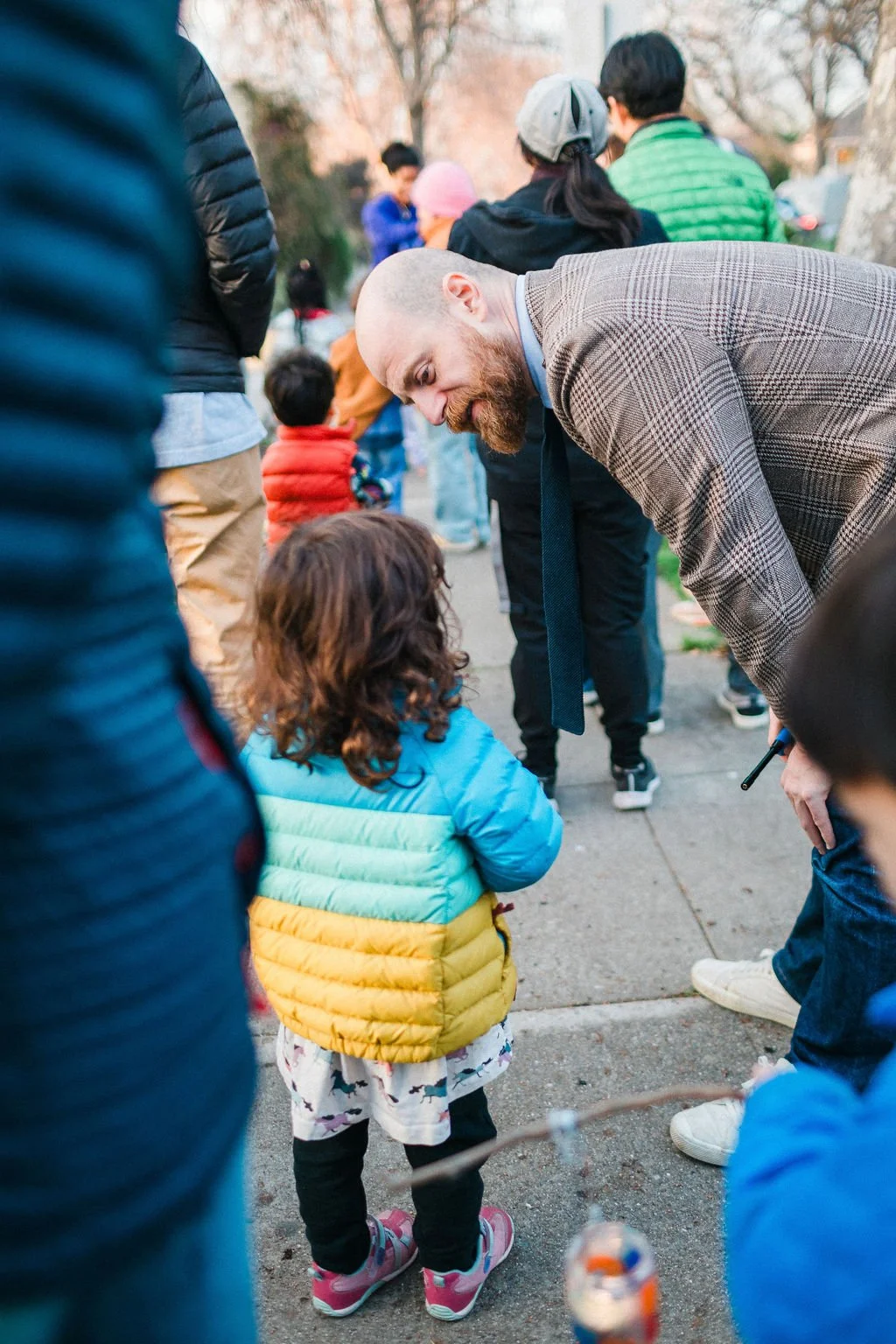
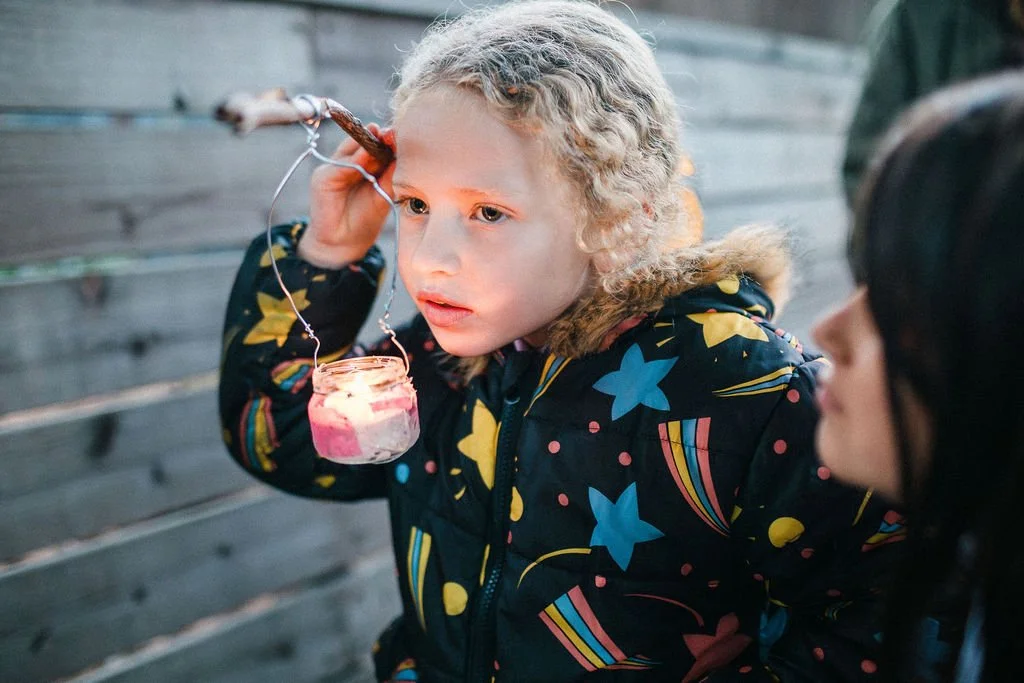
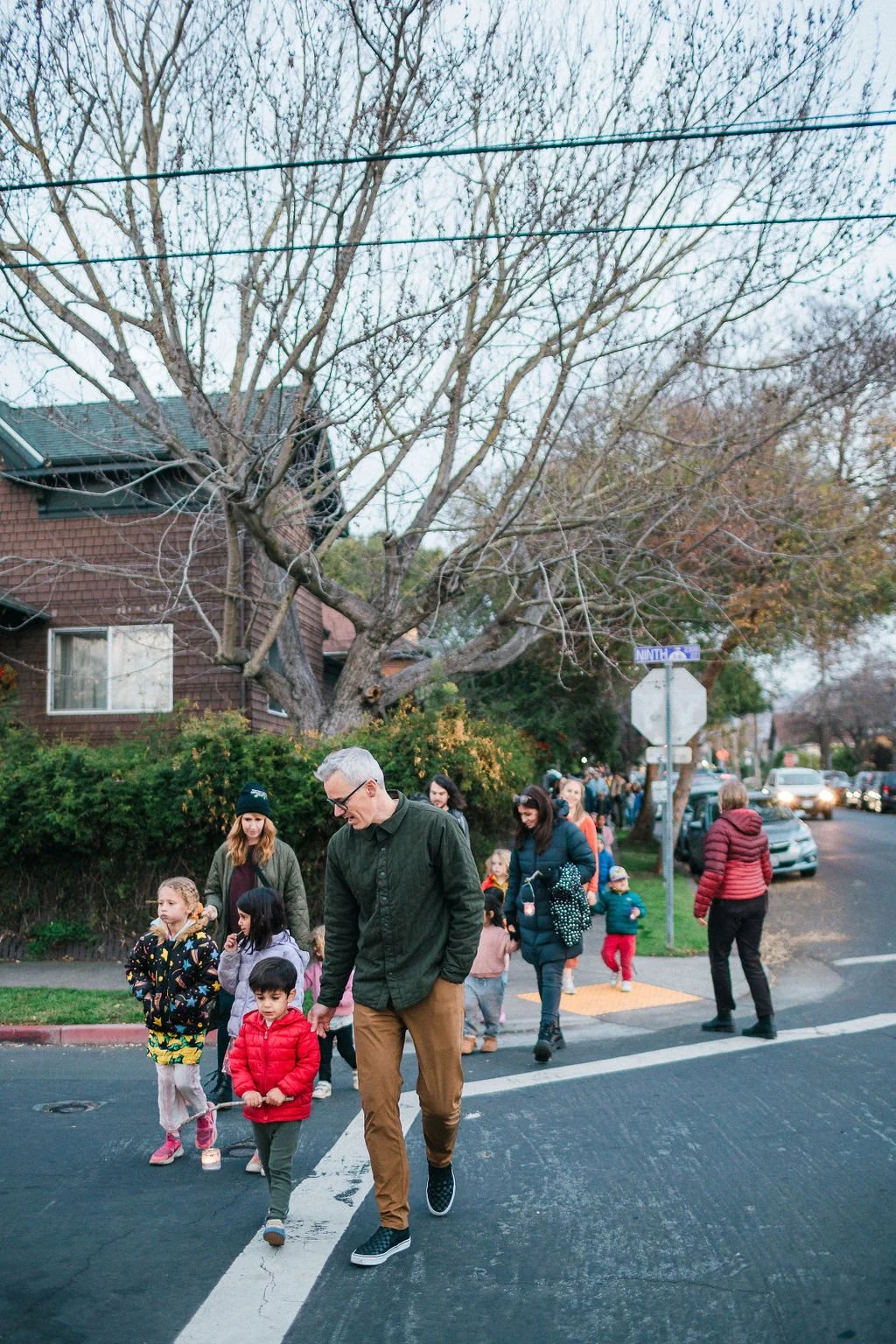
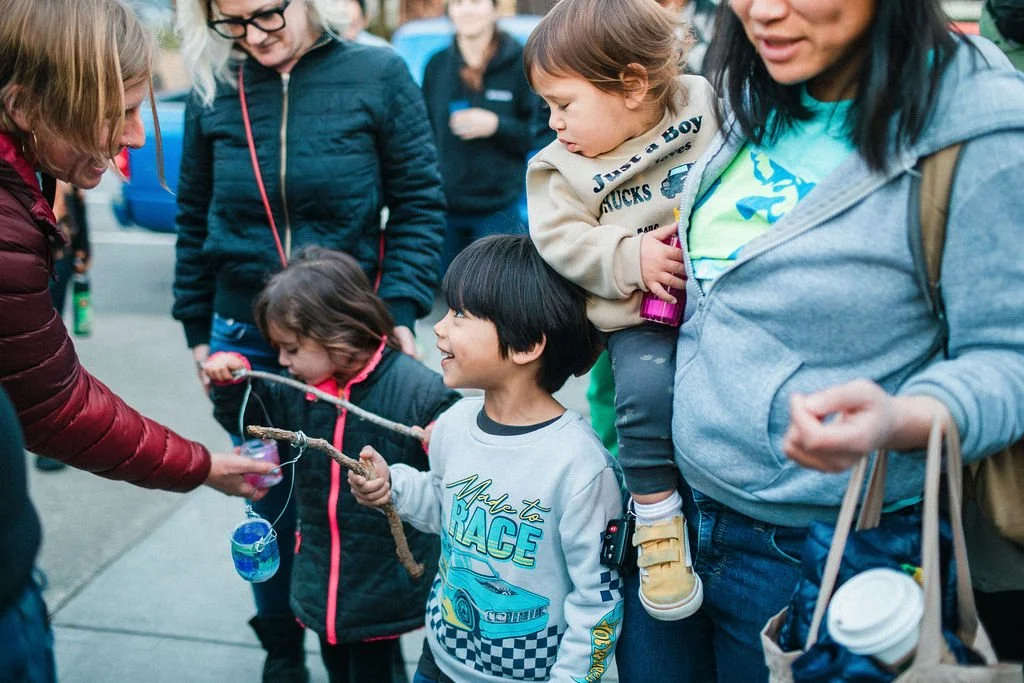
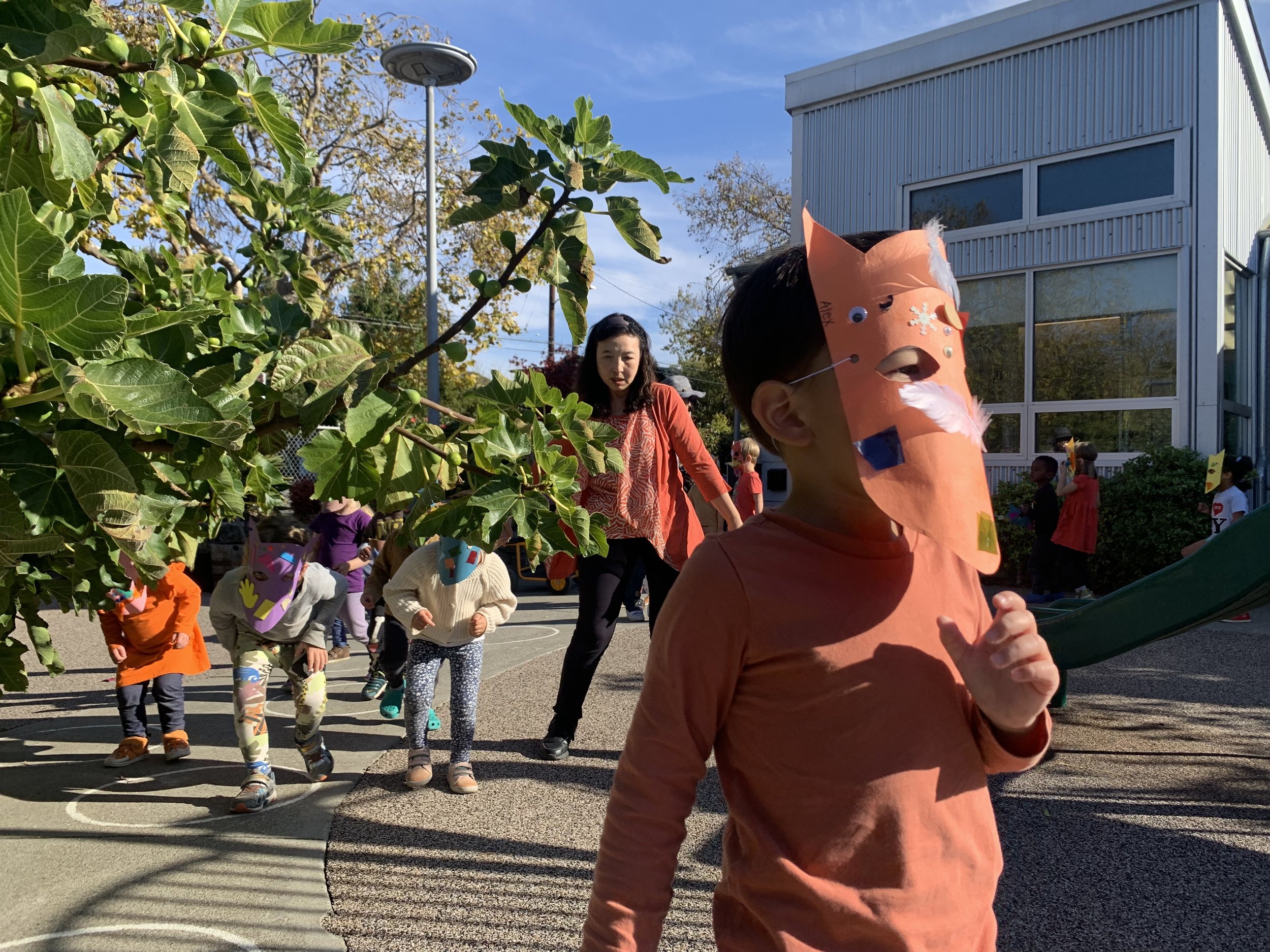
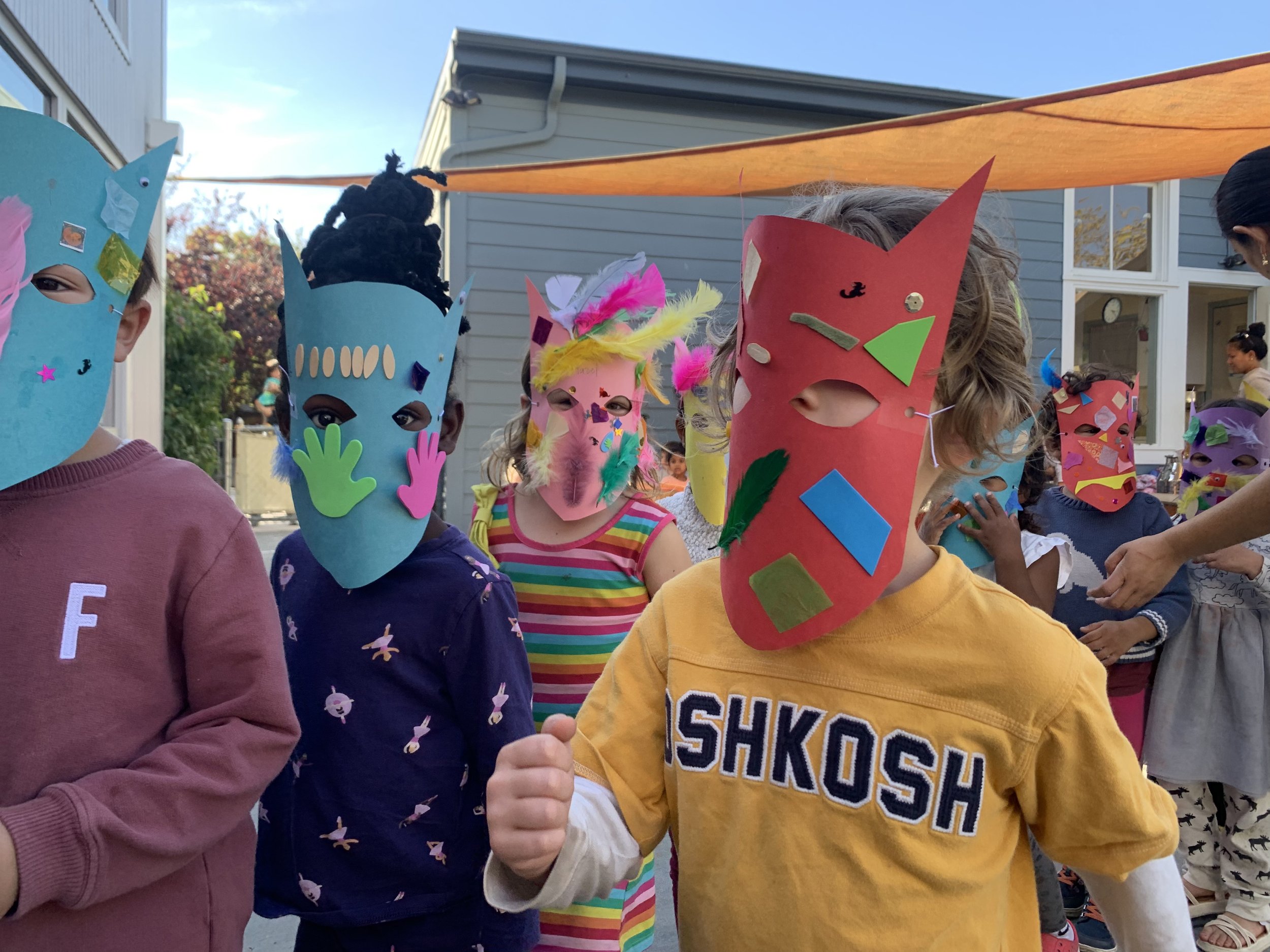
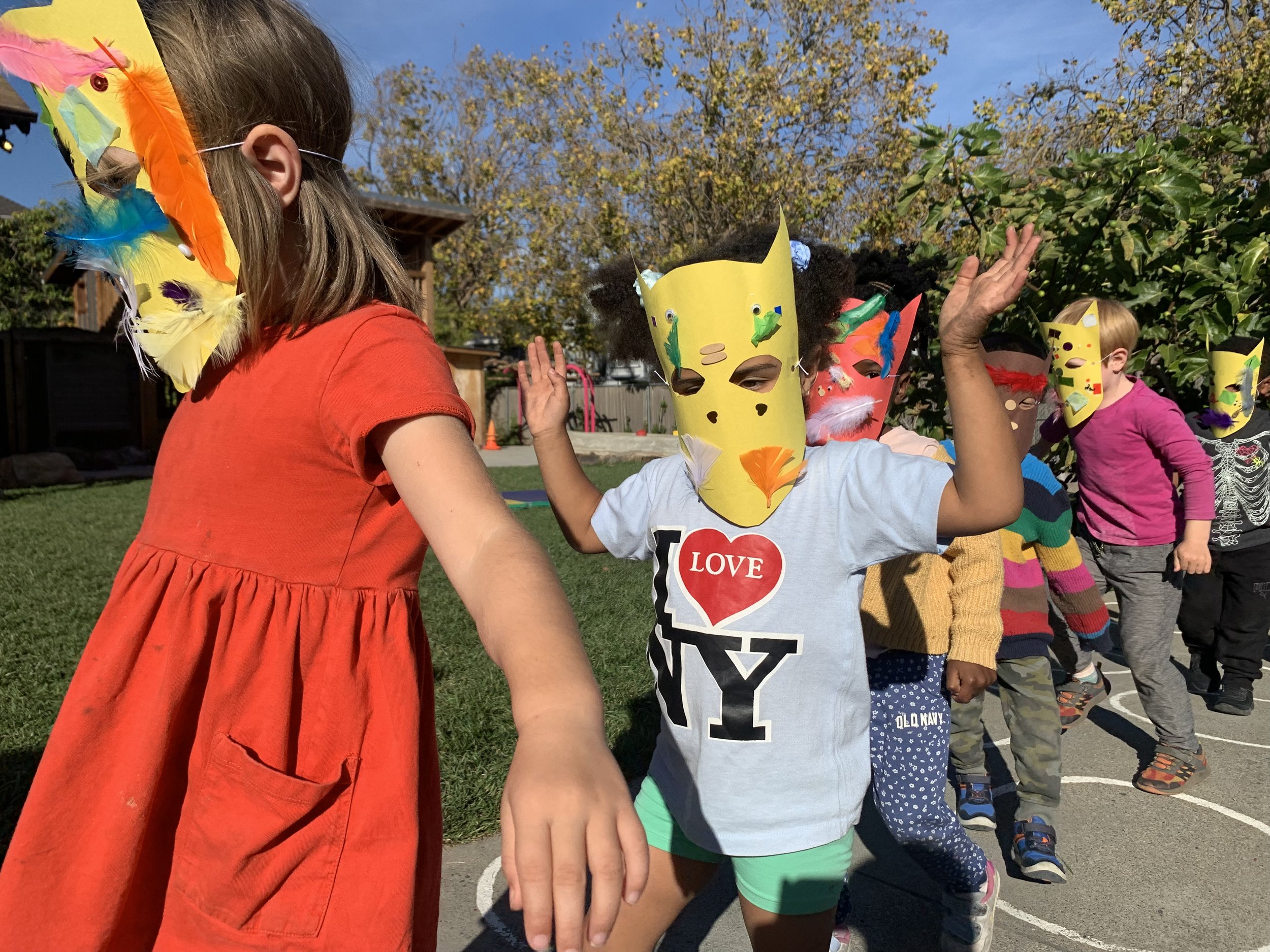
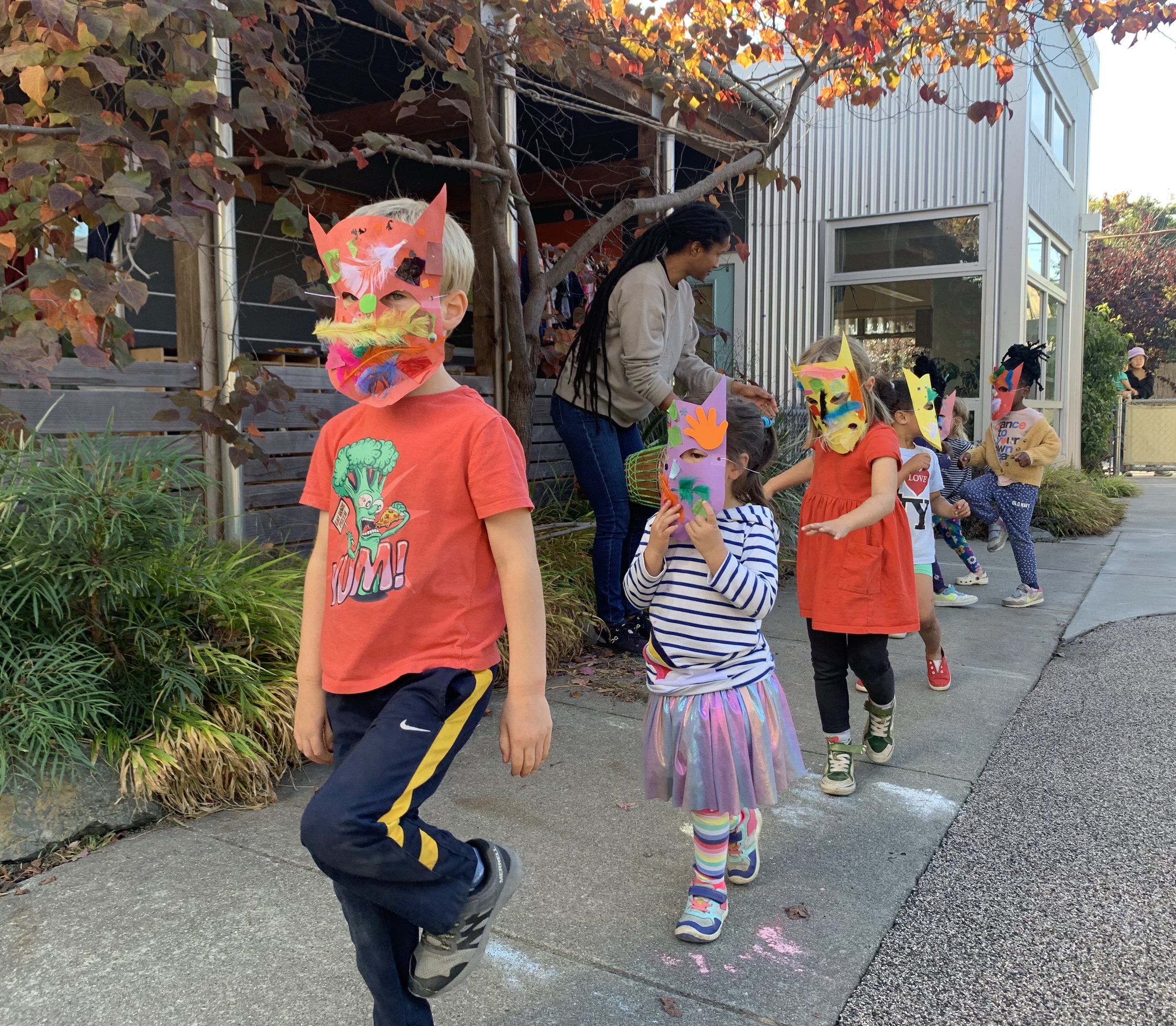
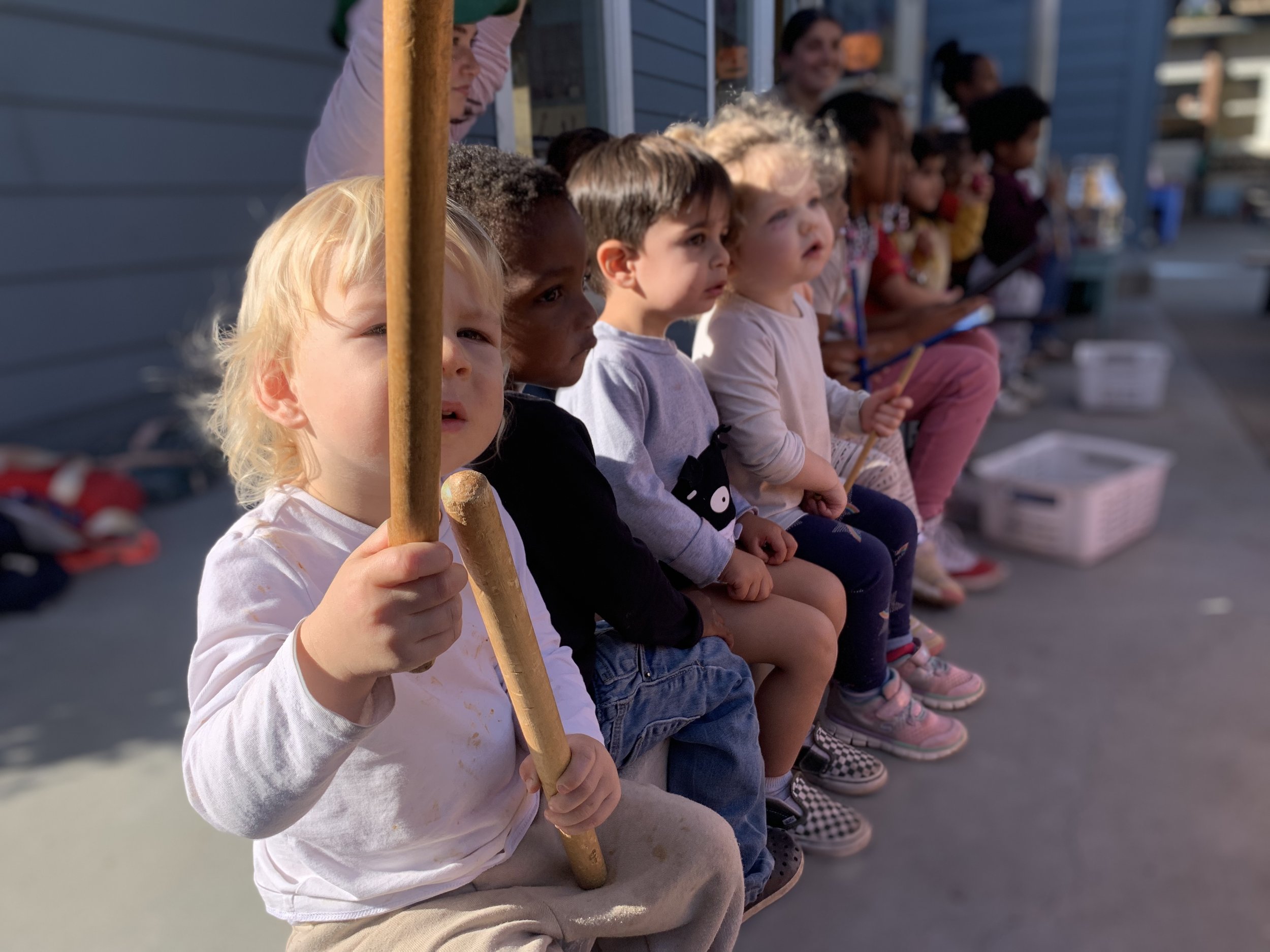
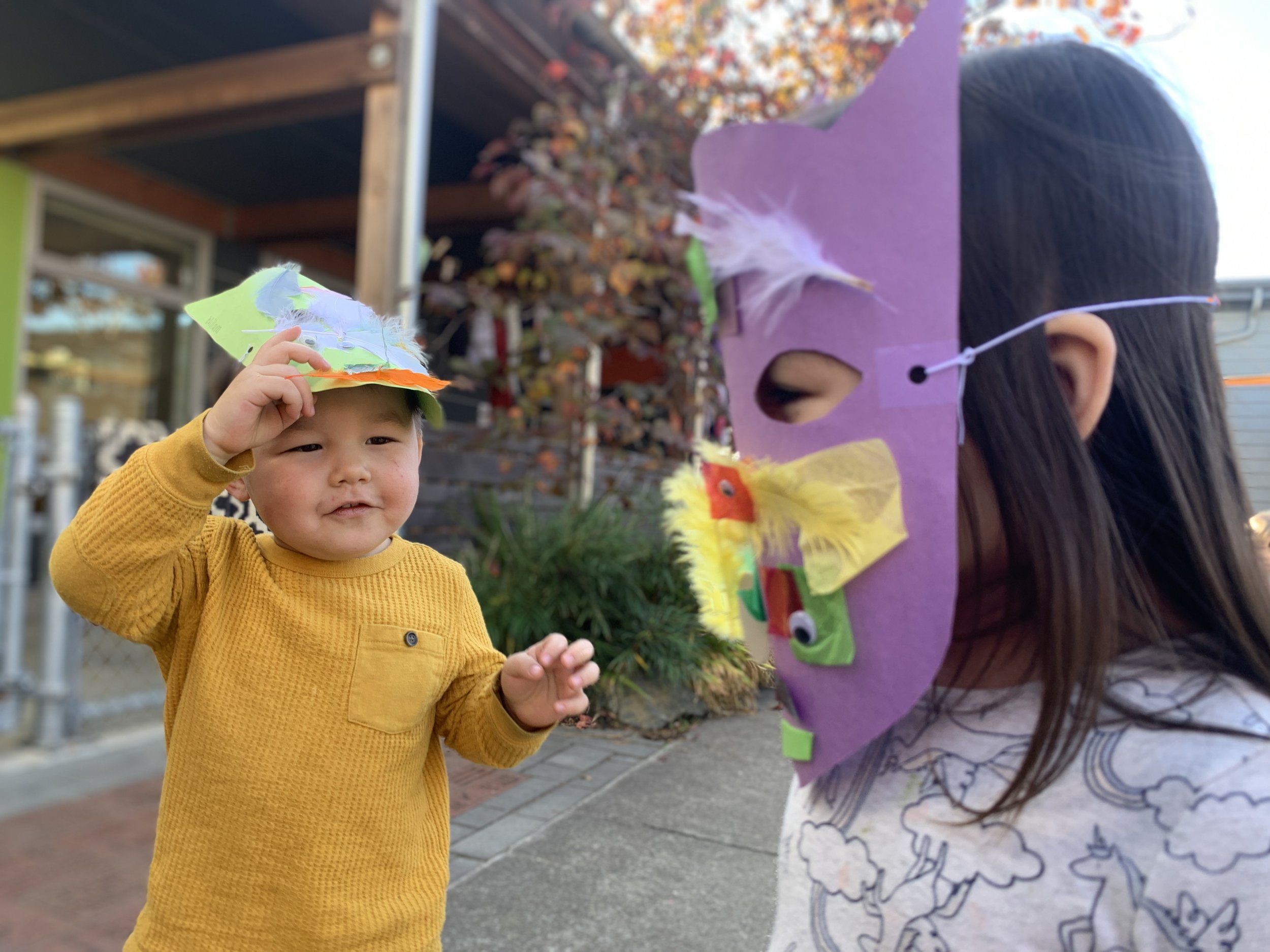
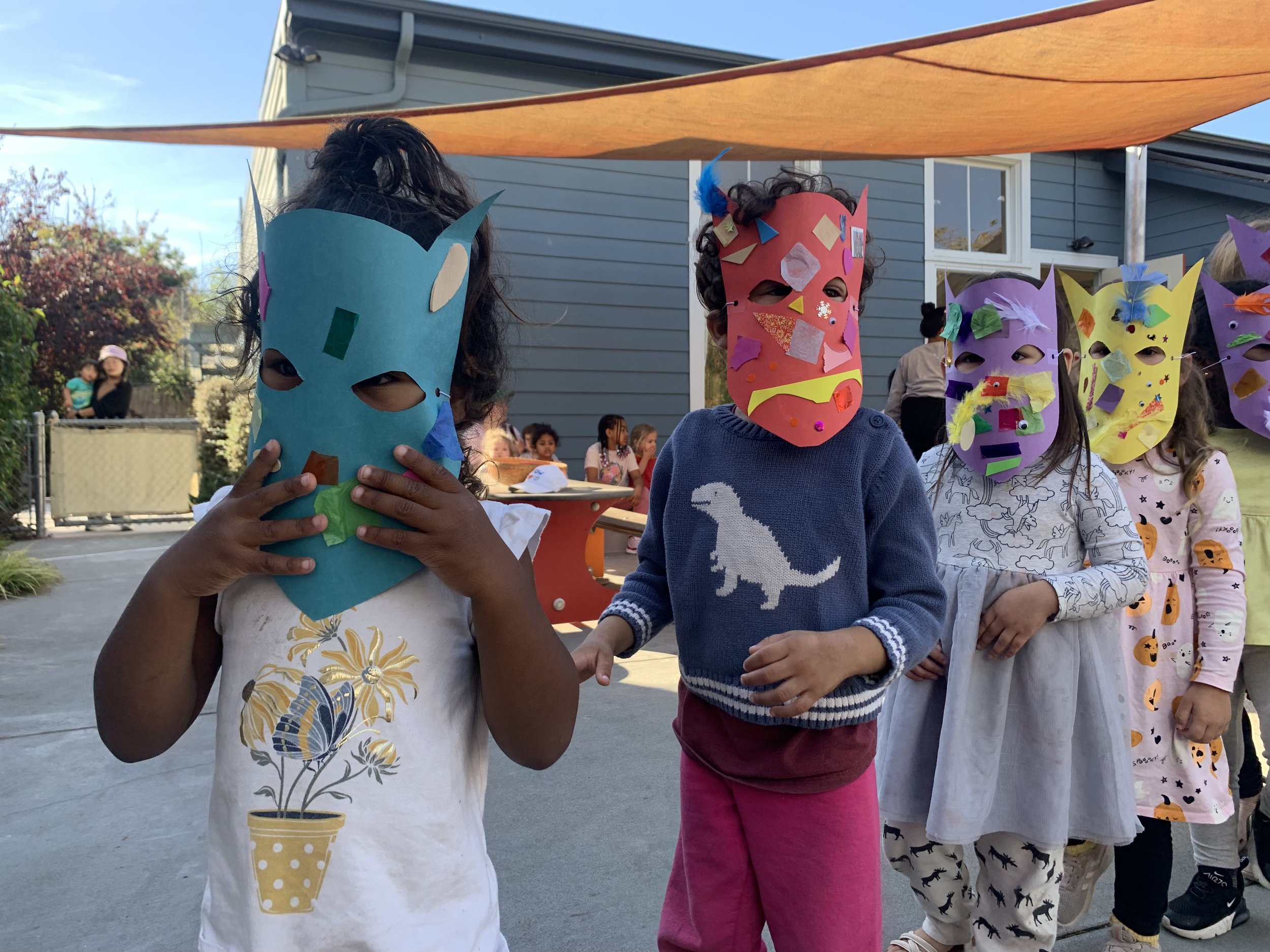
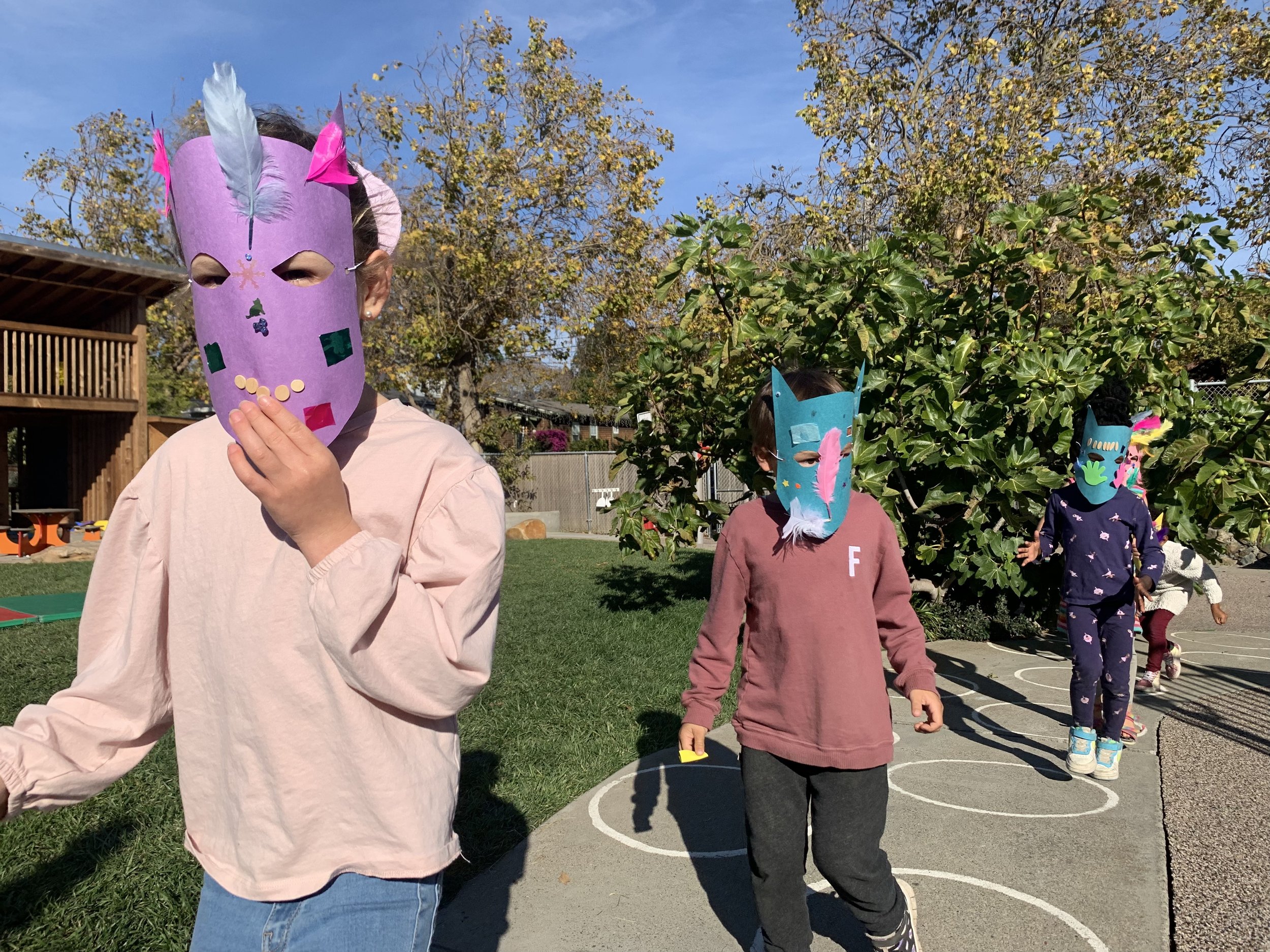
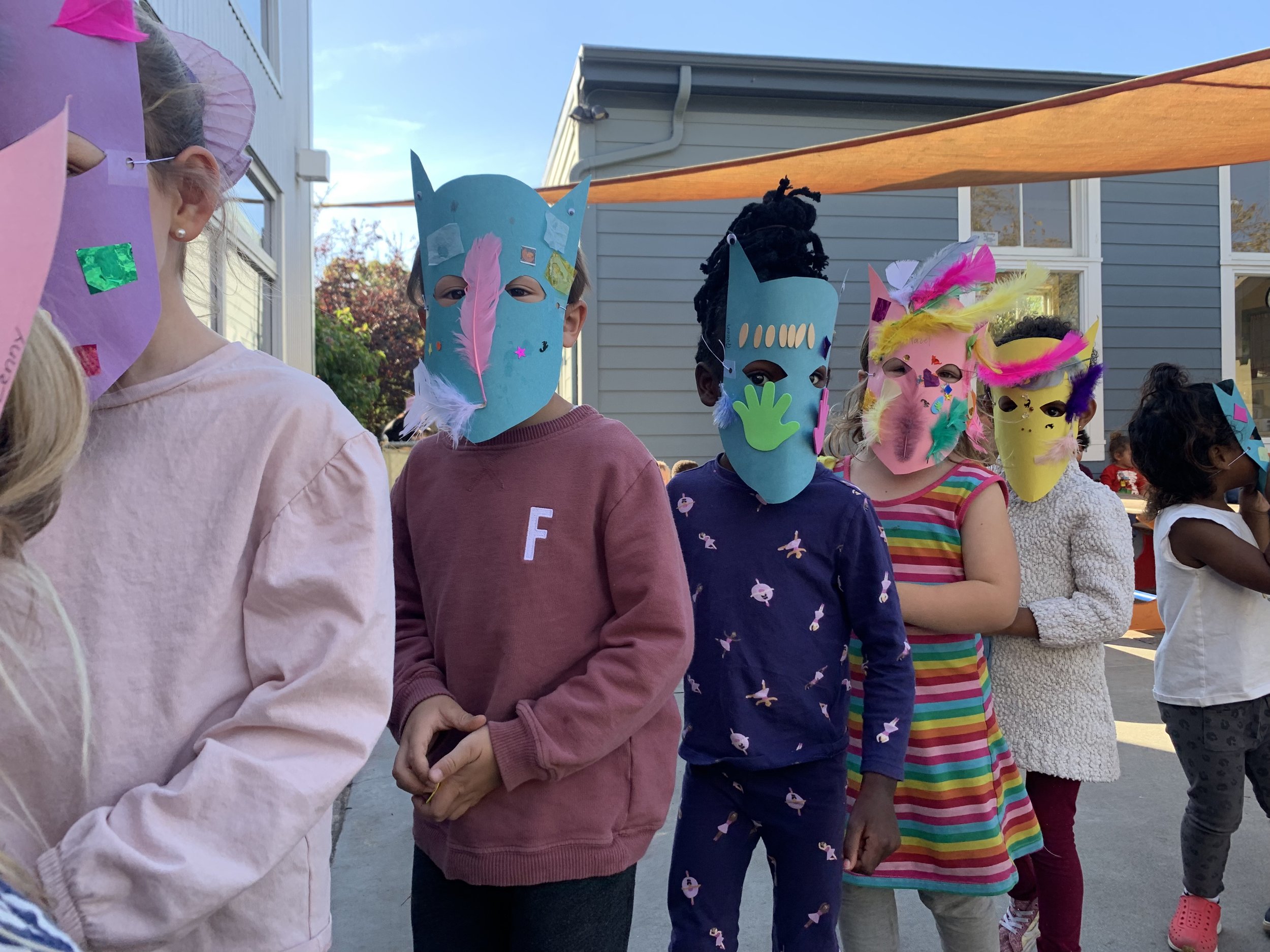
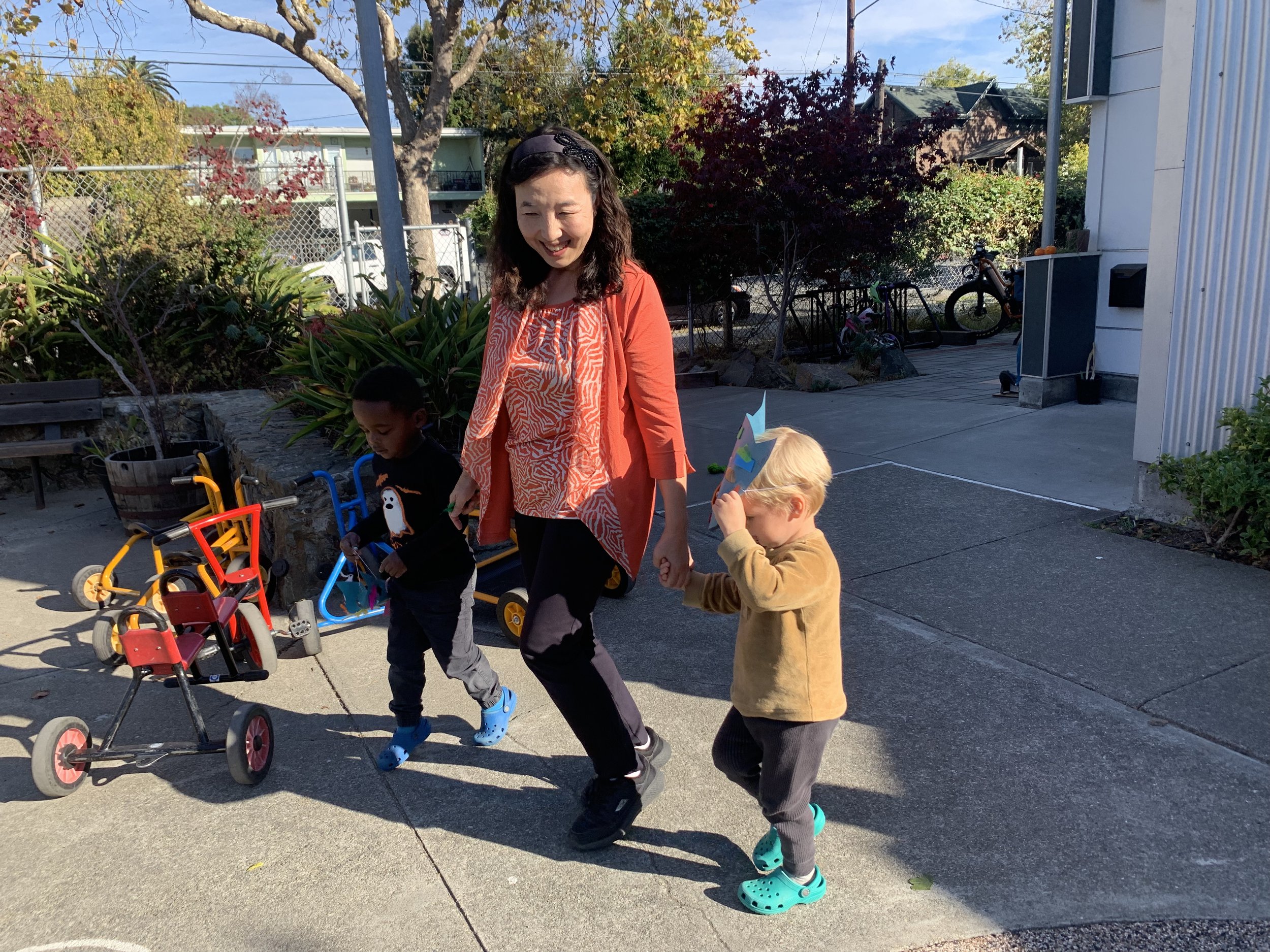
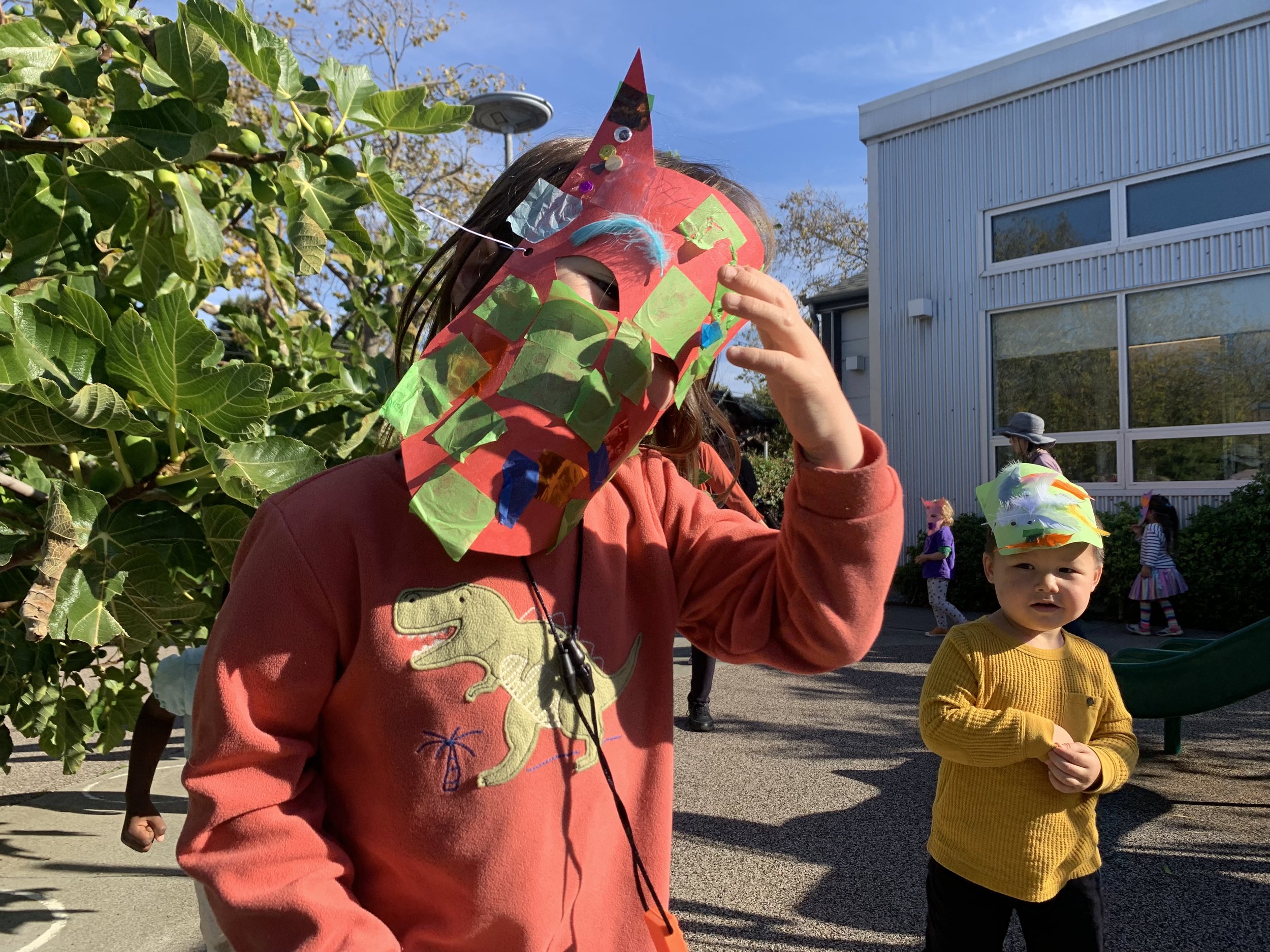
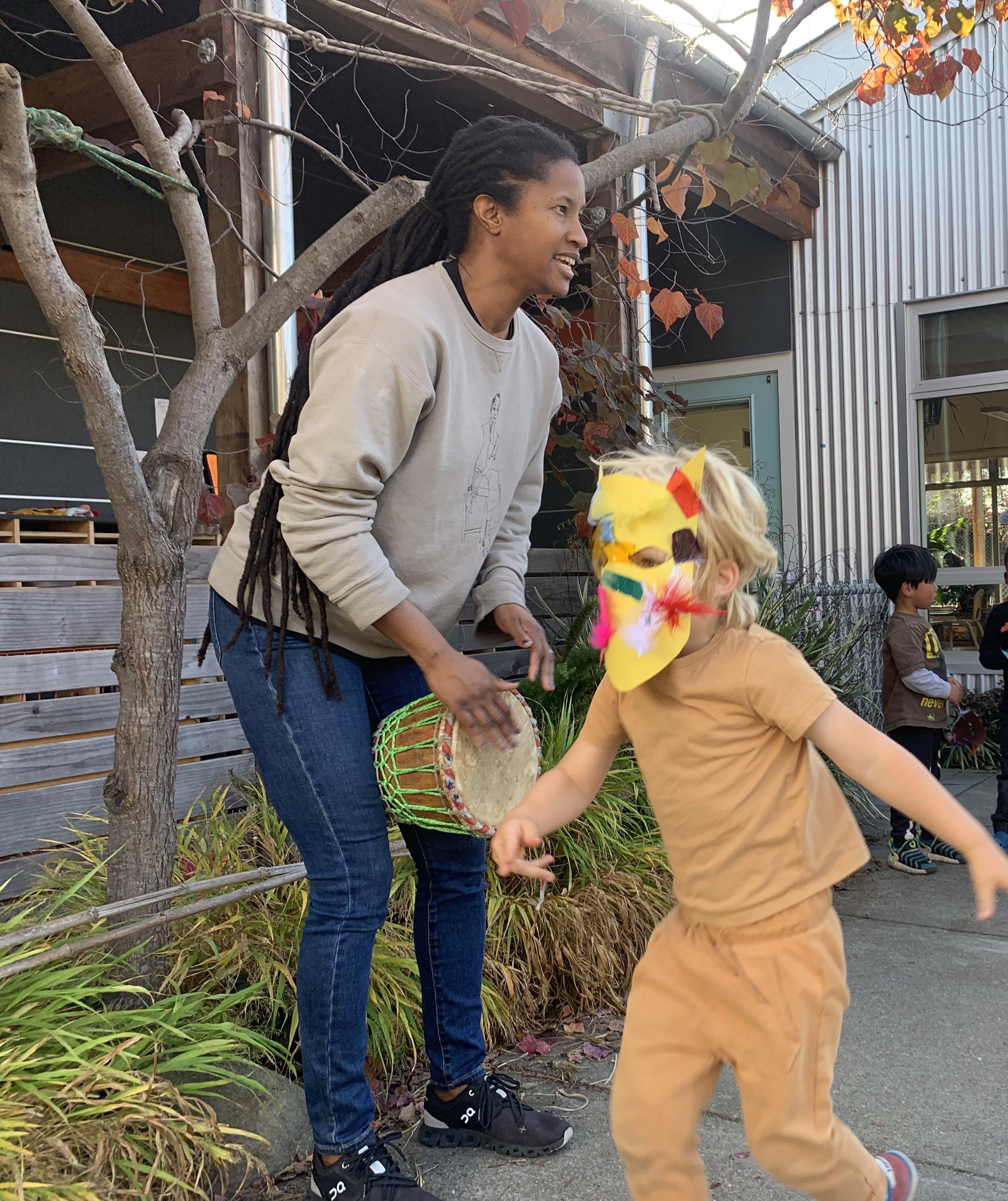
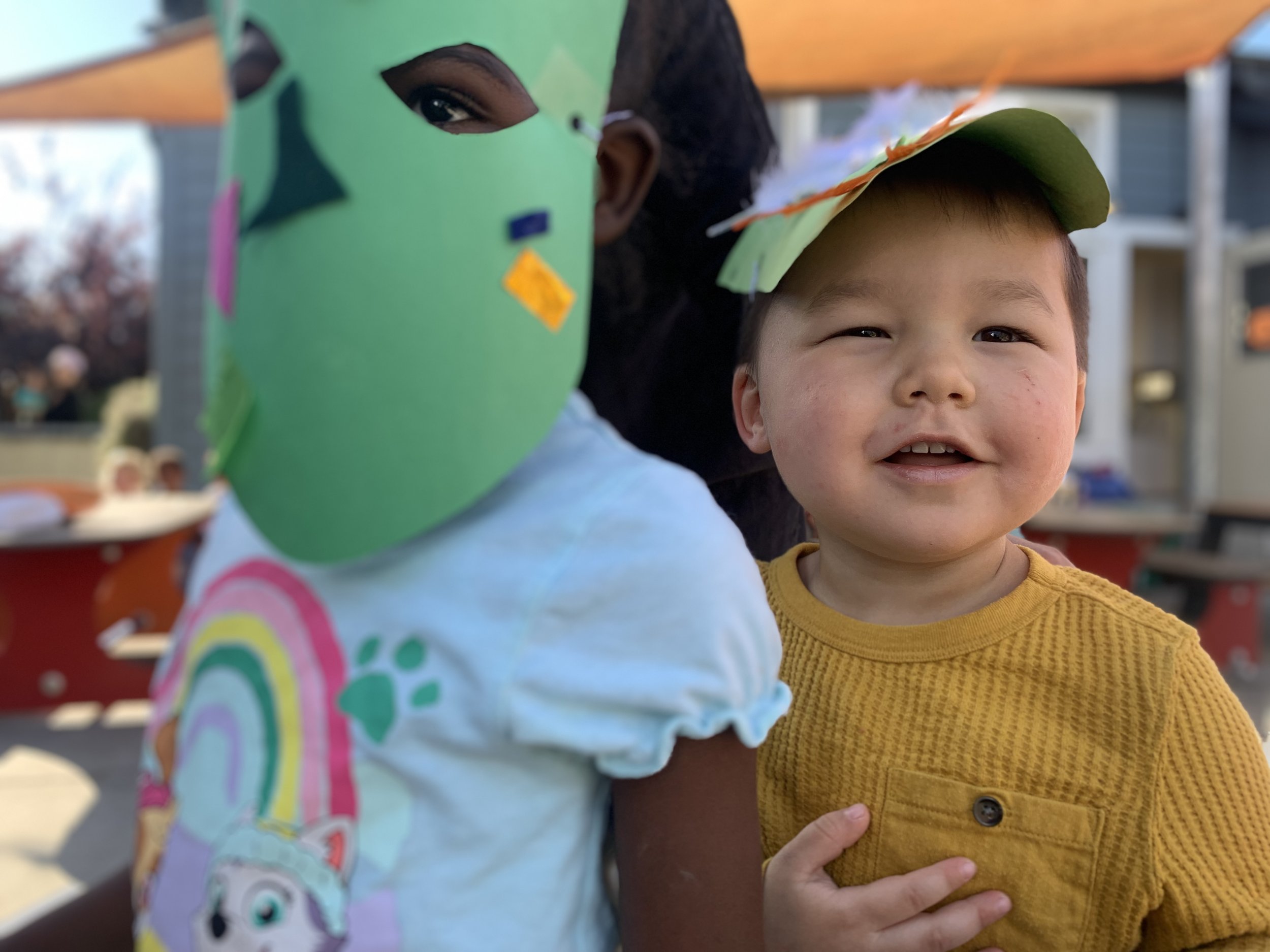
Thank you, Paul (Enso and Aleph’s parent), and Ella for capturing these beautiful images of Nia House’s 2025 Festival of Lights Celebration.










On Saturday, Nia House’s staff joined forces with Angelica Sanchez Garcia, RDN, City of Berkeley nutritionist for WIC to present on healthy eating and mealtime success.
Angelica’s presentation offered inspiration and insight into the downfalls of sugar, where it sneaks into children’s diet, the harm, and what we can do about it. Check out her slideshow here. Thank you, Angelica!
Nia House staff presented on the expectations and keys to a successful and meaningful mealtime at Nia House. Mealtime is an opportunity to connect to food, culture, values and to people in friendship and as family. At Nia House, mealtime is beautiful time. See for yourself in the videos below.
Practice- Every time a child sets a table or eats, it is them practicing SO MANY skills- recall, motor skills- fork, spoon, holding a cup, sipping without spilling, getting the food to the mouth, naming foods, learning likes and dislikes, opening and closing containers, and more.
Participation- Children are engaged members at meal-time. Ask questions, talk about the food, ask for their help, discuss likes and dislikes, etc. This is a time for relationship building, language development, grace and courtesy, and more.
Responsibility- Lunch time, especially in the Primary years, would not be possible without the responsibility of the children. How can your children help at home? They want to!
Repetition - Children learn through repetition, meal time will arrive at a place of ritual, specialness, and even a sacred time only with repeated experience.
Ritual- Thoughtfulness around eating presents an opportunity to create meaning around your family mealtime.

LUNCH IDEAS
edamame + tofu
avocado + grilled cheese
yogurt + strawberries
ravioli + zucchini
hummus & cheese sandwich + sliced fruit
pesto pasta
broccoli, yams + salmon
sliced carrots
rice + beans + quesadilla
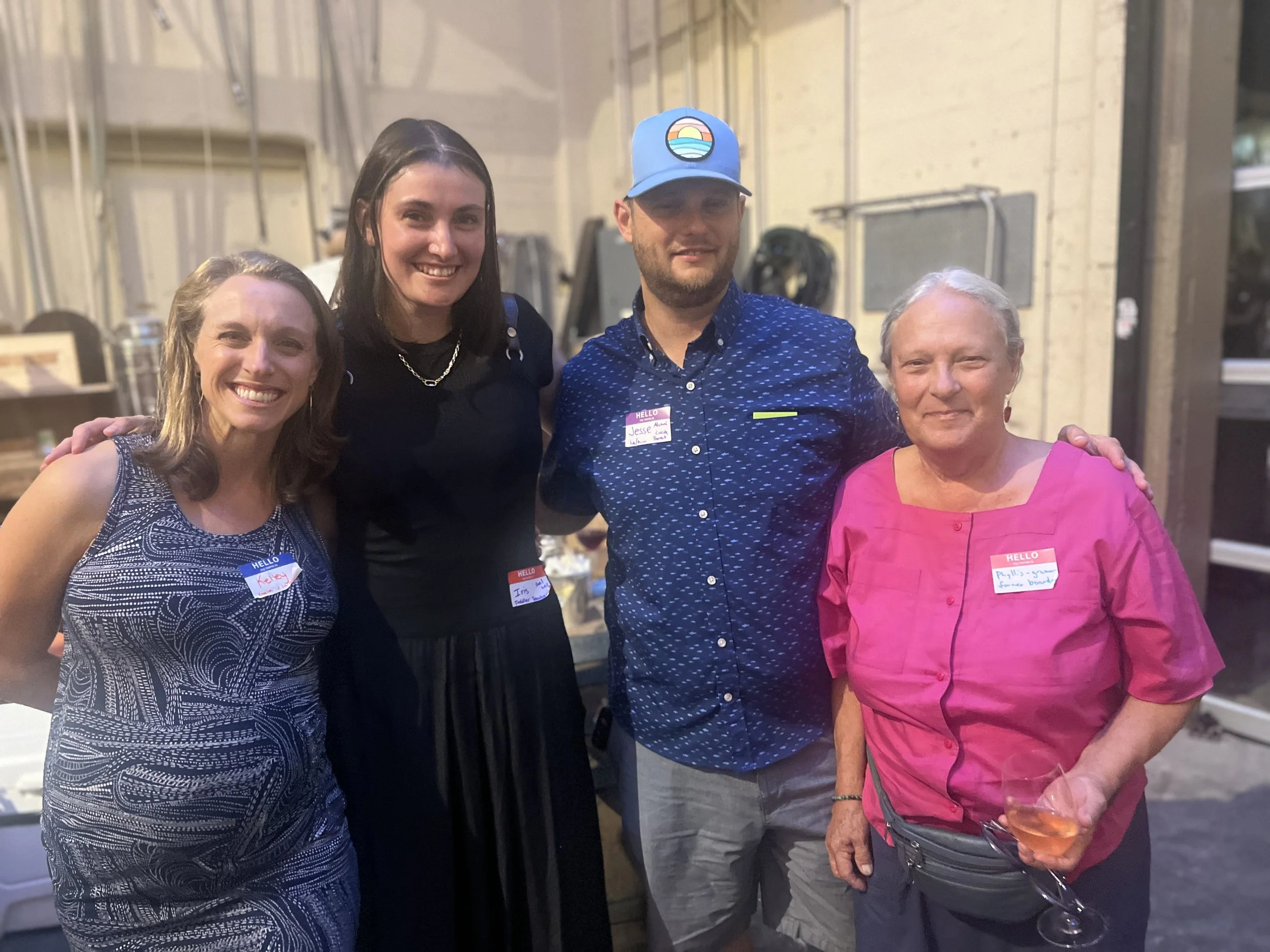
The evening included a fabulous storyteller, Diane Ferlatte, a Nia House grandparent juggler, along with art and reflections on the elders in children’s life. Click here to see the art the children made.

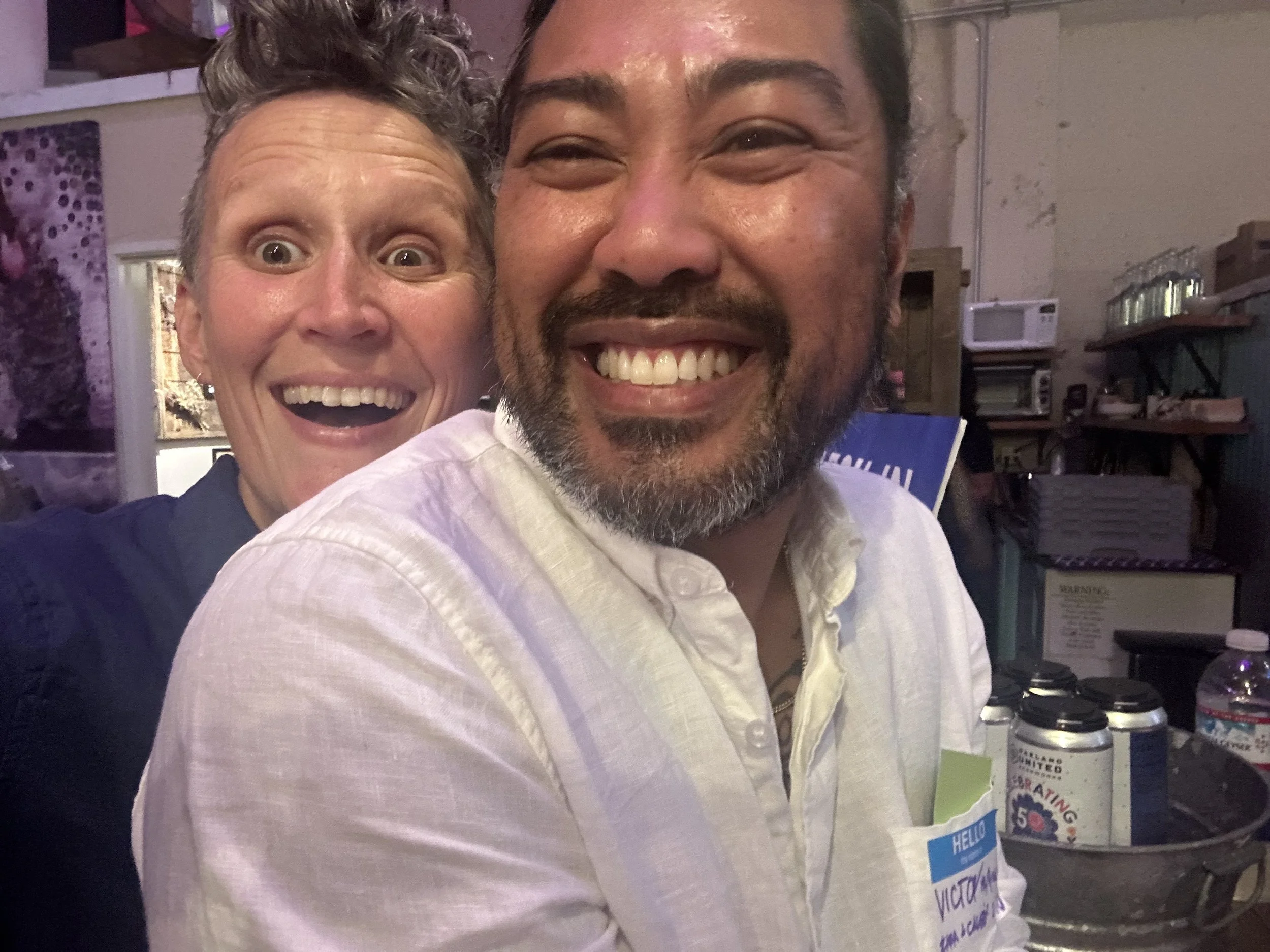
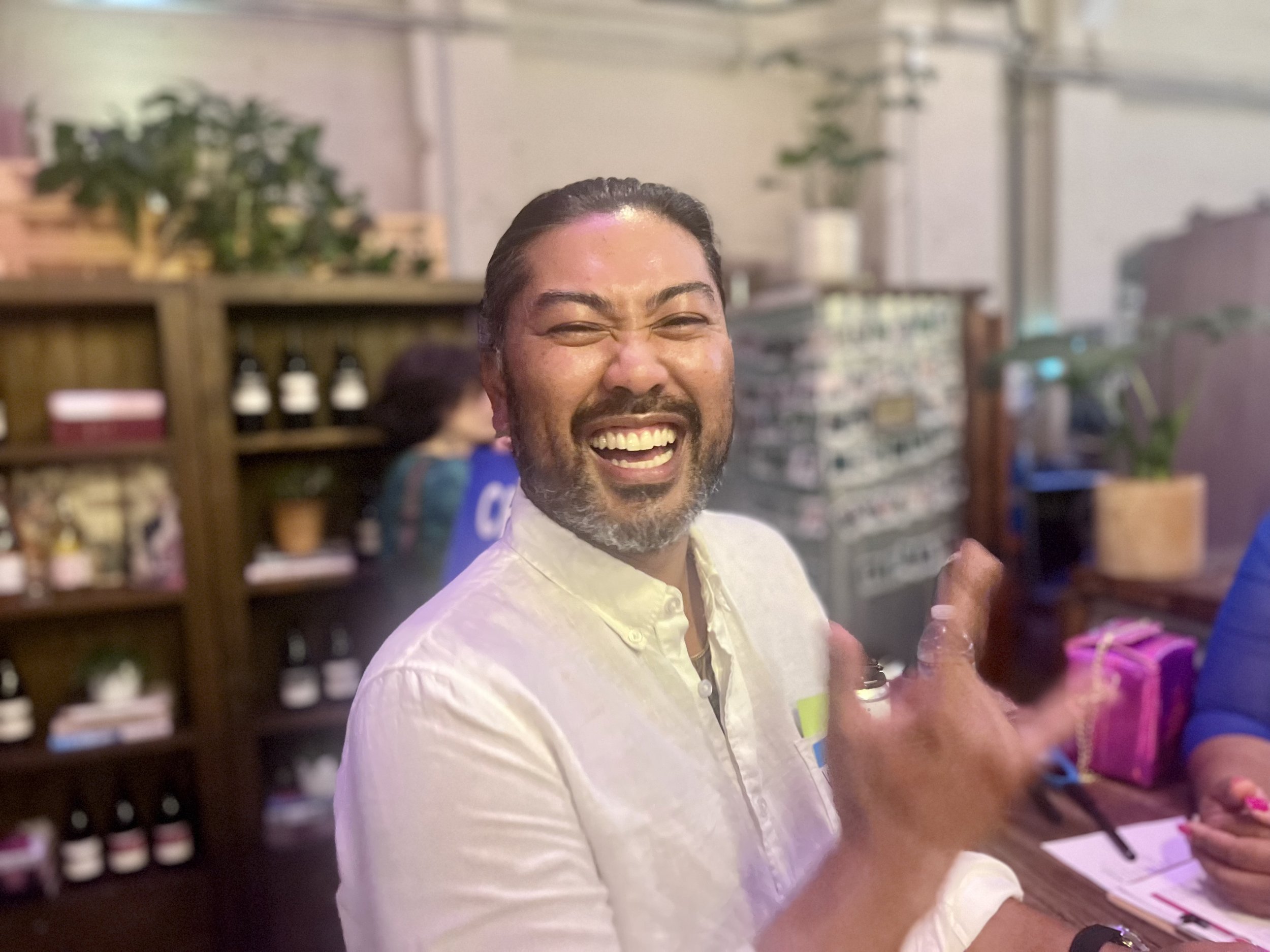
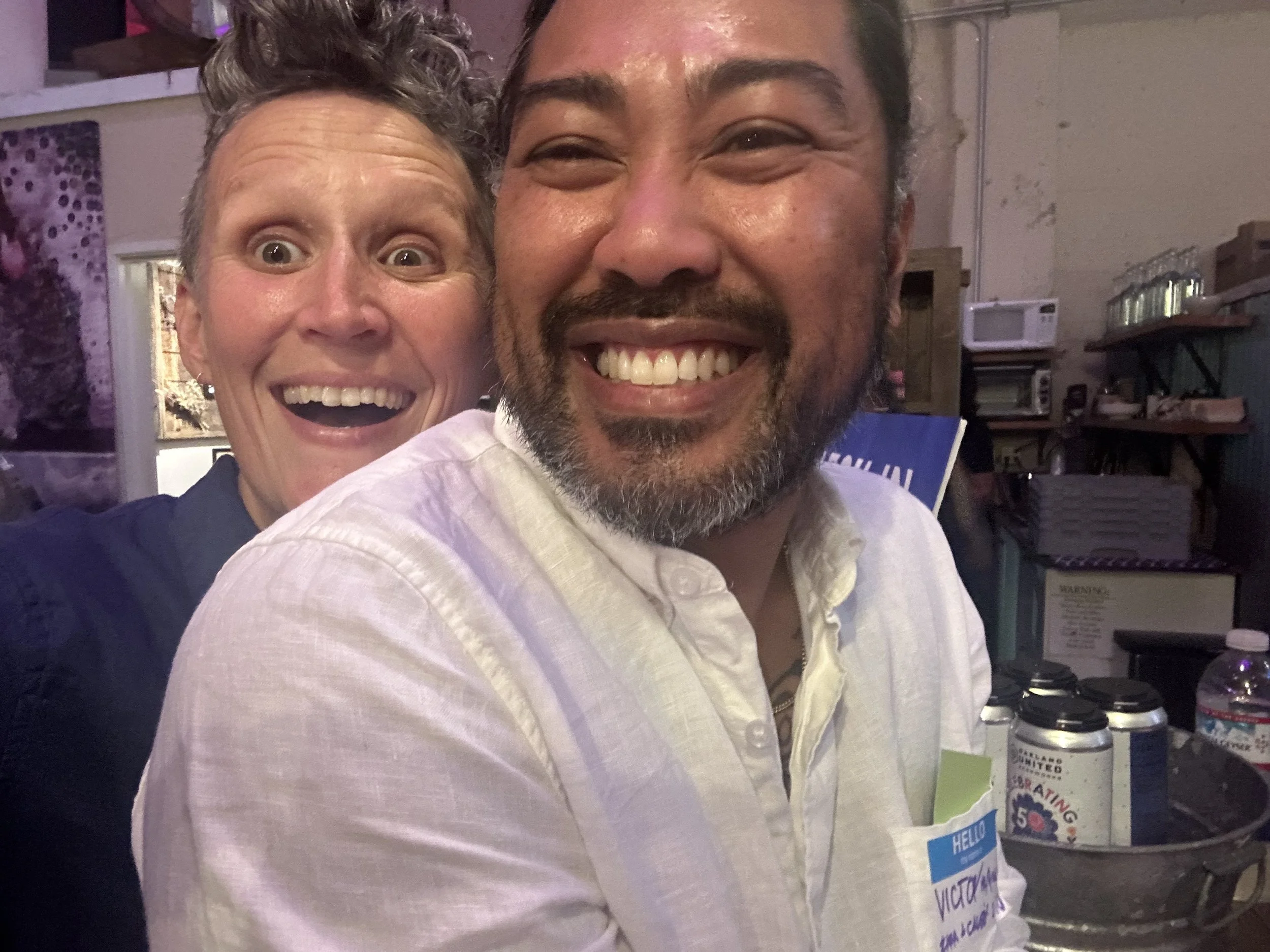
Enjoy pictures from the evening…






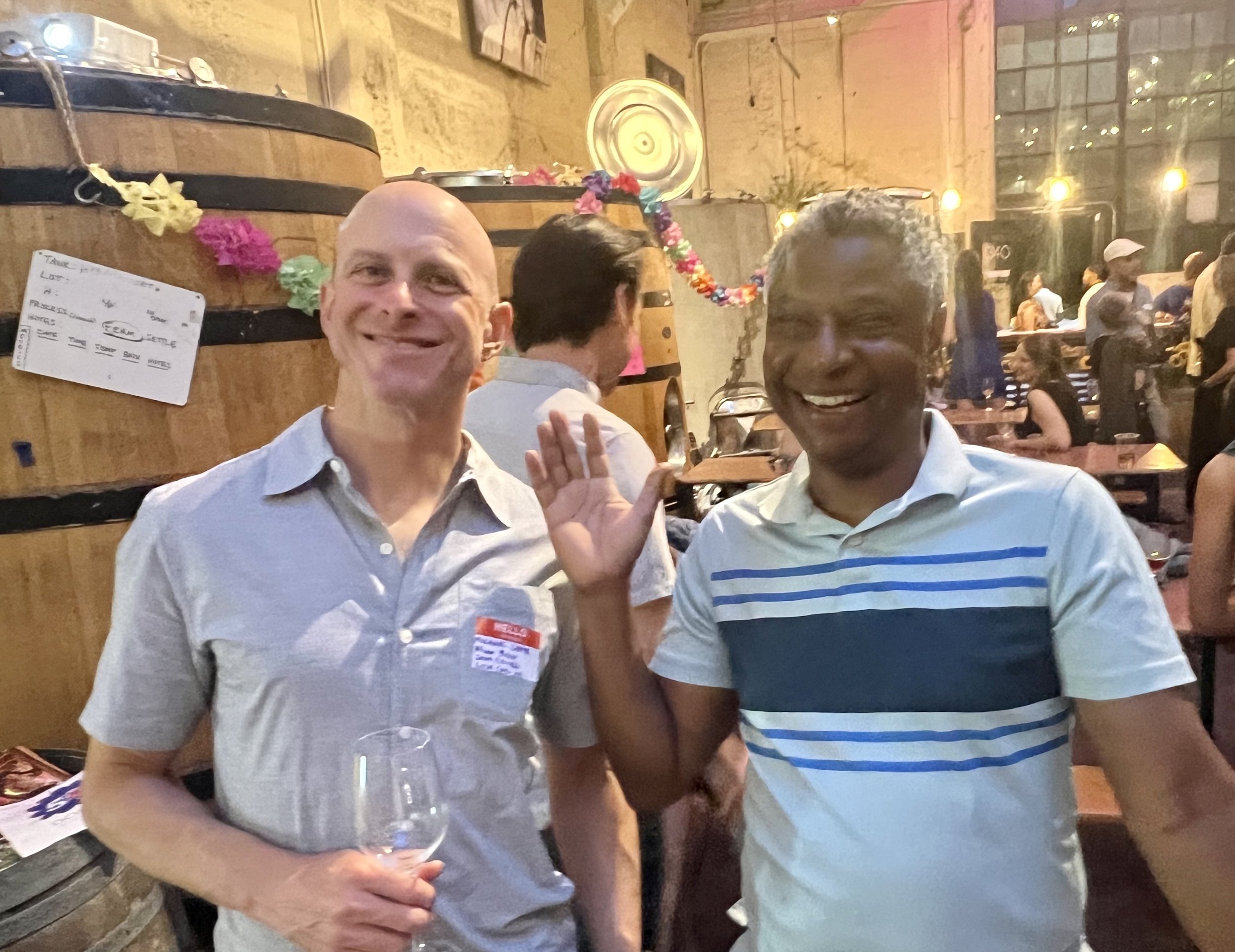


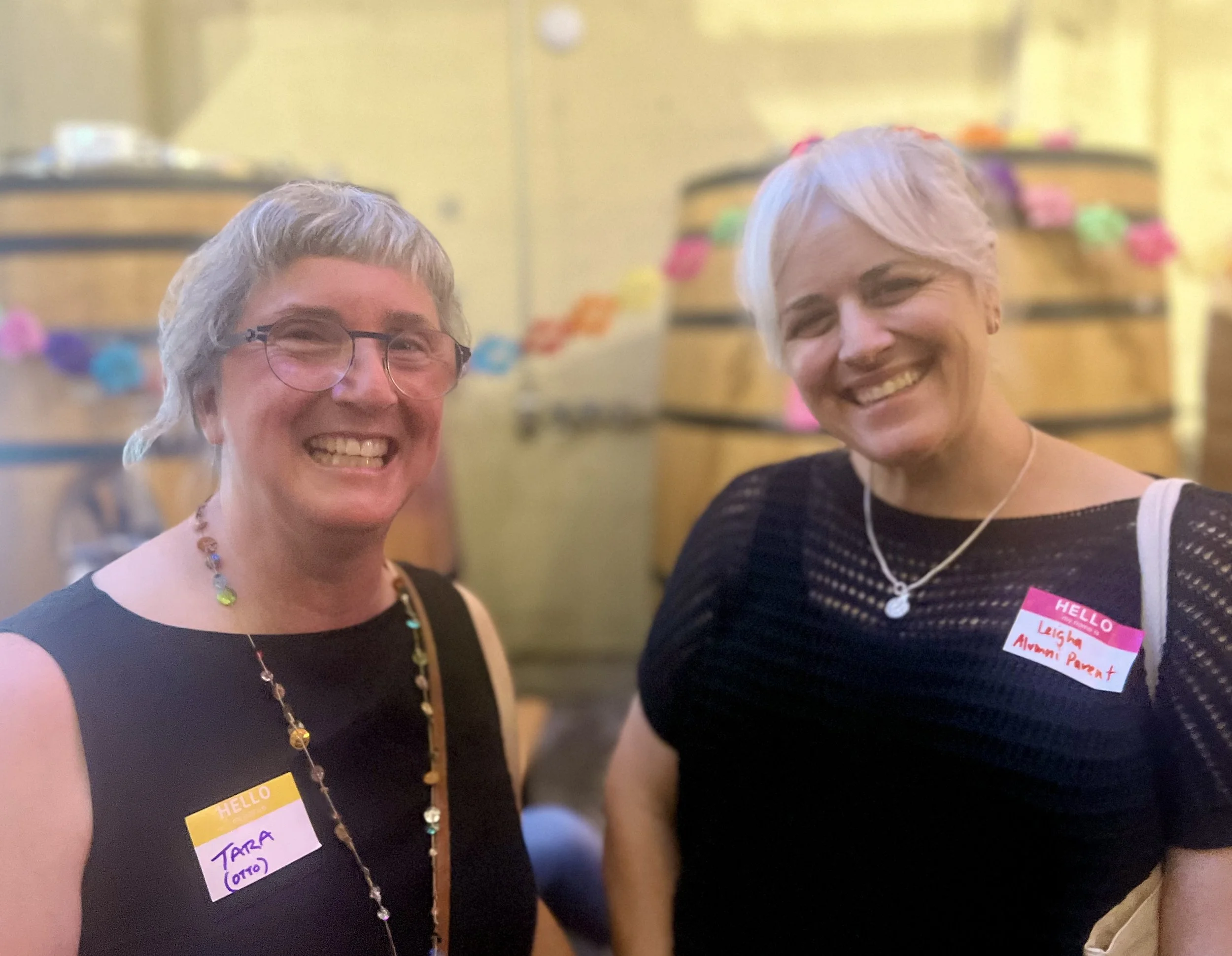


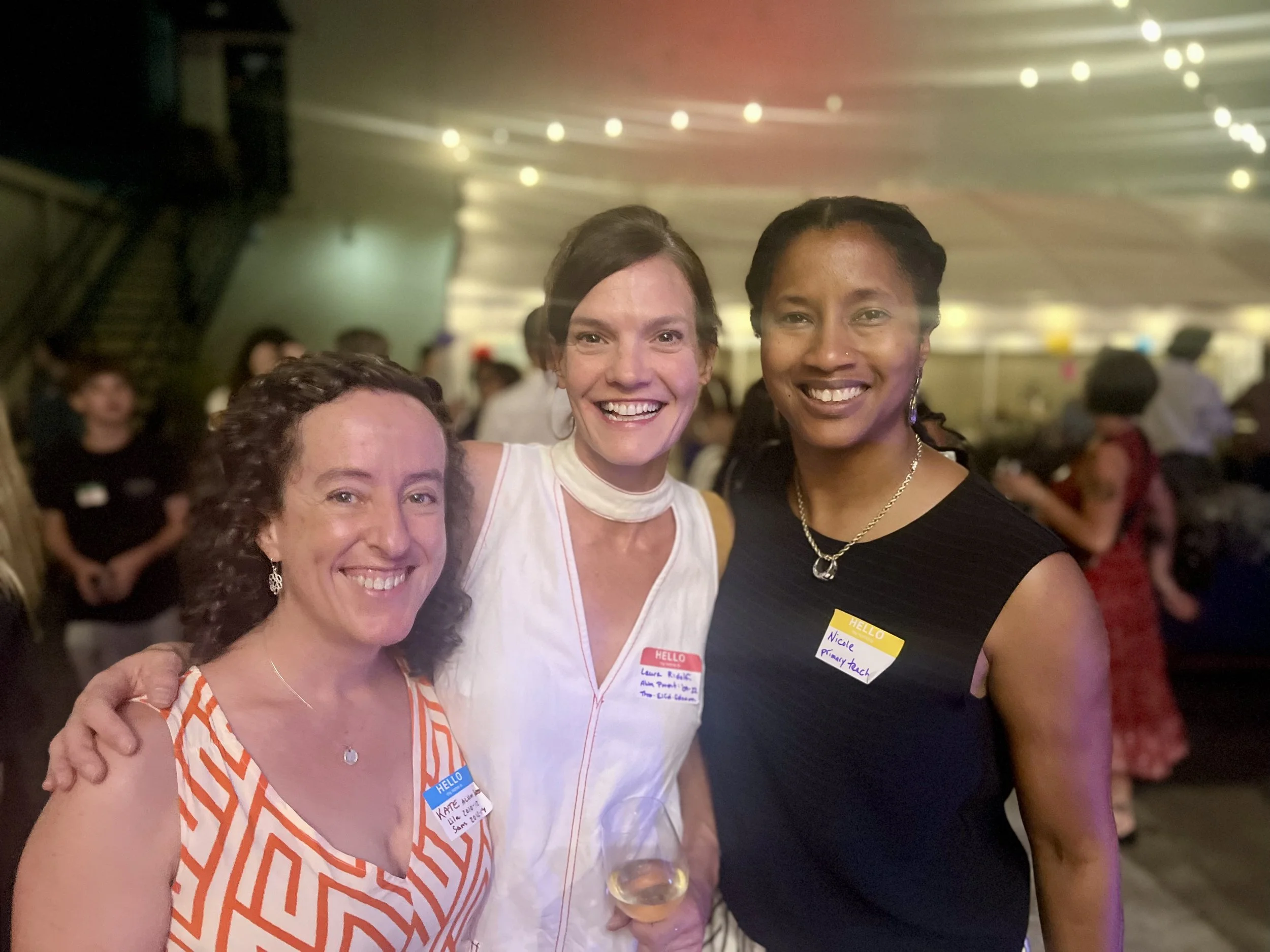


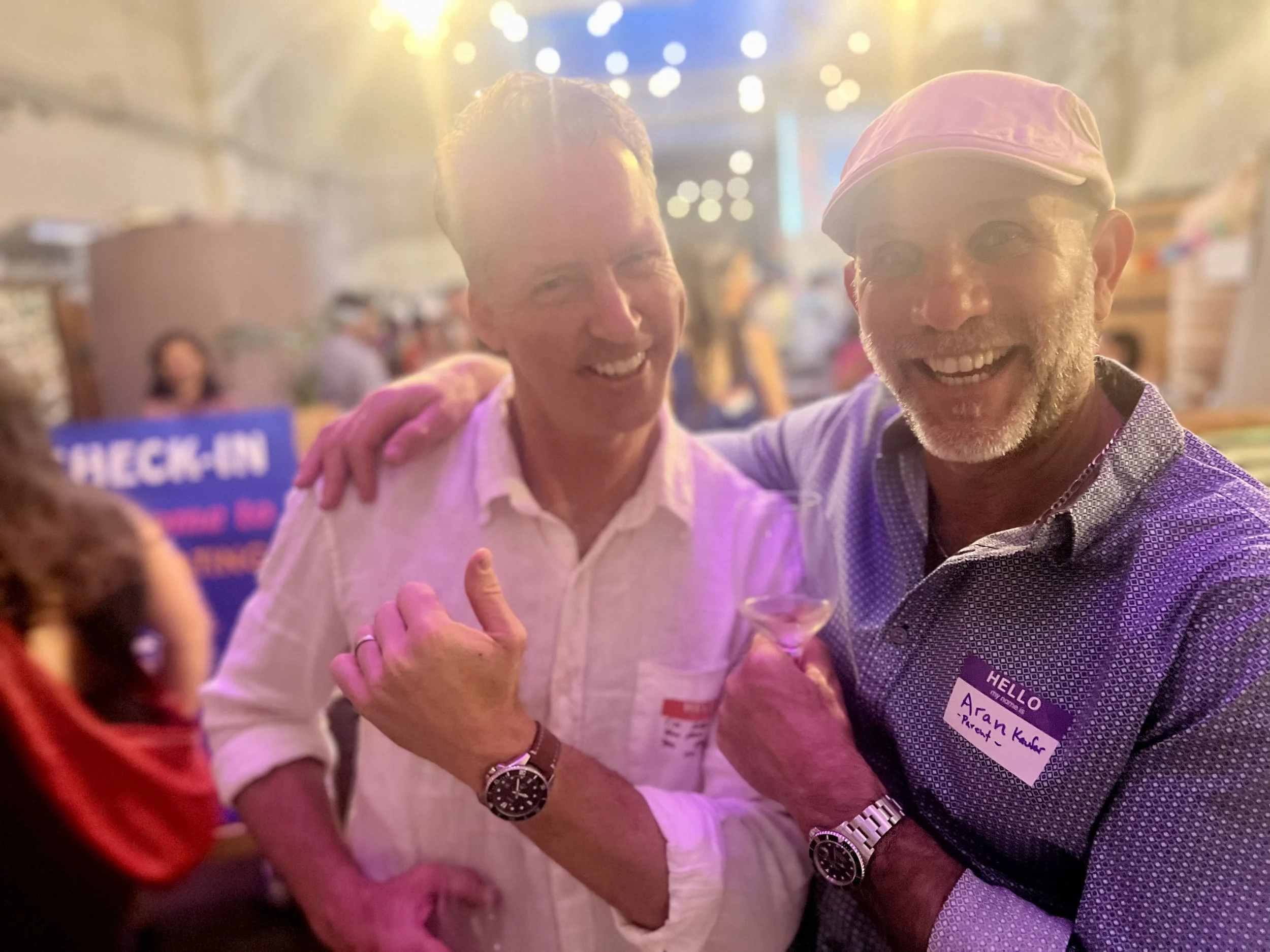


Below is a slideshow with a sample of pictures spanning the past 50 years. This slideshow played during the 50th Party.
An excerpt of Eve’s Party Welcome-
Happy Birthday, Nia House.
Welcome to all- and a huge round of applause for you- we’re here to celebrate your huge impacts on Nia House’s rich past and share your birthday blessings with one another for our future.
You represent the heart of Nia House. At the family friendly birthday bash in August, we formally acknowledged NH’s 50 years with a very traditional Montessori birthday party for this school. Tia Waller-Pryde, NH’s founder, along with children and teachers held the earth and walked around the sun. As some of you may recall, the skies opened and it didn’t rain, but POURED for the first hour of the event. Our pancake makers and coffee pourers and everyone there was drenched, and then, as fast as the rain appeared, it cleared and we had the most amazing walk around the sun, traditional Montessori birthday celebration style. The resilience of this community shone through with the sun and a piece of cake.
Between the start of the 50th year of NH and now, I’m filled with incredible amounts of gratitude to Nia House and the people who once visioned this school, built the structure of the organization, found funding, led fearlessly… and even more gratitude for the countless families who have shared their children and their family’s earliest years with all of the Nia House staff. Trusting us, the teachers and staff, to help prepare your children for life is an enormous act for so many of you- the Nia House families and friends.
We staff take that role very seriously. Dr. Maria Montessori wrote that the EDUCATION OF EVEN A VERY SMALL CHILD DOES NOT AIM AT PREPARING HIM FOR SCHOOL, BUT FOR LIFE. Observing the unbelievable potential of each child during their early development is one the greatest honors. You adult and young adult alumni here tonight are the perfect examples of the hope that is cultivated at Nia House. Thank you, alumni for sharing yourselves and your development with all of us!
Nia House is unique. There are more and more early childhood education programs available, thankfully, but few to none who share the curriculum developed by the esteemed Dr. Maria Montessori, and who share the wisdom of the pedagogy with the intended audience of young learners- all children from very diverse backgrounds. What other early learning program aims to subsidize $700,000 of tuition per year? What other program aims to support its staff with highly competitive pay and ongoing support of continuing education? What other program has formalized structure directing financial aid to prioritize BIPOC families? And what other program puts their children’s needs first and foremost? With you- with your continuing encouragement, birthday party joy, love and financial support, Nia House does. You do!
Birthdays bring about so much emotion, and incredible cause for celebration. What a joy to share the core beliefs of Dr. Maria Montessori’s pedagogy with all of you. You, the heart of Nia House. What does this moment bring to you? For me, I’m honestly overwhelmed with love, nostalgia and hope, seeing all of you alumni, families, staff and current families. You represent the richest history and the brightest future I can imagine. Let’s take a moment to hear from you- on the count of 3, shout your wish for Nia House’s future! With so many of you sharing in this moment and directing all of your good-will toward our youngest learners, they and we as a society are destined for greatness. We need and I personally need that hope.
So with trust in our youngest and newest generation, with trust in our incredible teaching team, and with trust in our community of caregivers, parents, friends and family members, we leave the future of NH to YOU. May your wishes for Nia House become our collective reality.
To throw a party and to find the space to cultivate this incredible joy and community love, takes a bit of organization. A HUGE round of applause is in order to our school’s master party planner, social media genius, and communications/ videographer extraordinaire: Stacey Wood. Peter Jackson helped create the overarching strategy and messaging around our 50th anniversary year, along with timeline, and the logistics. Reena Karia designed the logo of our 50th anniversary along with the many beautiful images that have accompanied the logo and the mailings you’ve received. Donkey and Goat has so generously hosted us tonight, and current parent Rob Lilly has catered this event for us. Oakland United Beerworks sponsored the Nia House’s 50th Anniversary beer. And SO MANY more of you have participated in countless ways. We are so grateful for one another, for you.
Very most importantly, Nia House is a community, and you are certainly an integral part, but our Nia House teachers past and present are the folks who show up every single day to support the mission of the organization, offering that very specific education of peace and justice, modeling grace courtesy and community leadership. The respect with which our teachers observe and support our Nia House children is heartfelt, healing and genuine. Nia House teachers, we honor, respect and cherish you- and we have a special gift for all of you. Come on up for your Reena-designed Nia House bandana! And a big round of applause for Nia House past and present staff.
As a reminder please visit Fundraising station to help us meet our goal tonight of $25,000. We are well on our way, and we look to all of you to help us meet this mark for tonight which will lead us to our annual goal of subsidizing $700,000 of financial aid this current year.
I now introduce Tia Waller-Pryde, NH’s founder who will share her remarks on NH’s history and her wishes for Nia House’s future. She’ll be followed by long-time school director, Lee Wagner.


THANK YOU to our incredible parent community for hosting Nia House’s first annual Hot Pot Day. Hot Pot is a special community meal found in East and Southeast cuisine. The Nia House families contributed ingredients, the children chopped, and together assembled nutritious warm bowls. The challenge of chopsticks was enjoyed by the children and the adults watching!


The cover of Nia House’s first Parent Handbook.


Here are some places to begin or continue this journey:
It is that time of year again. Each child pictured is on to their next life adventure. We have cherished being in community with each child and their family. These early years are joyful and magical. Our hearts are fuller for loving these wonderful humans!




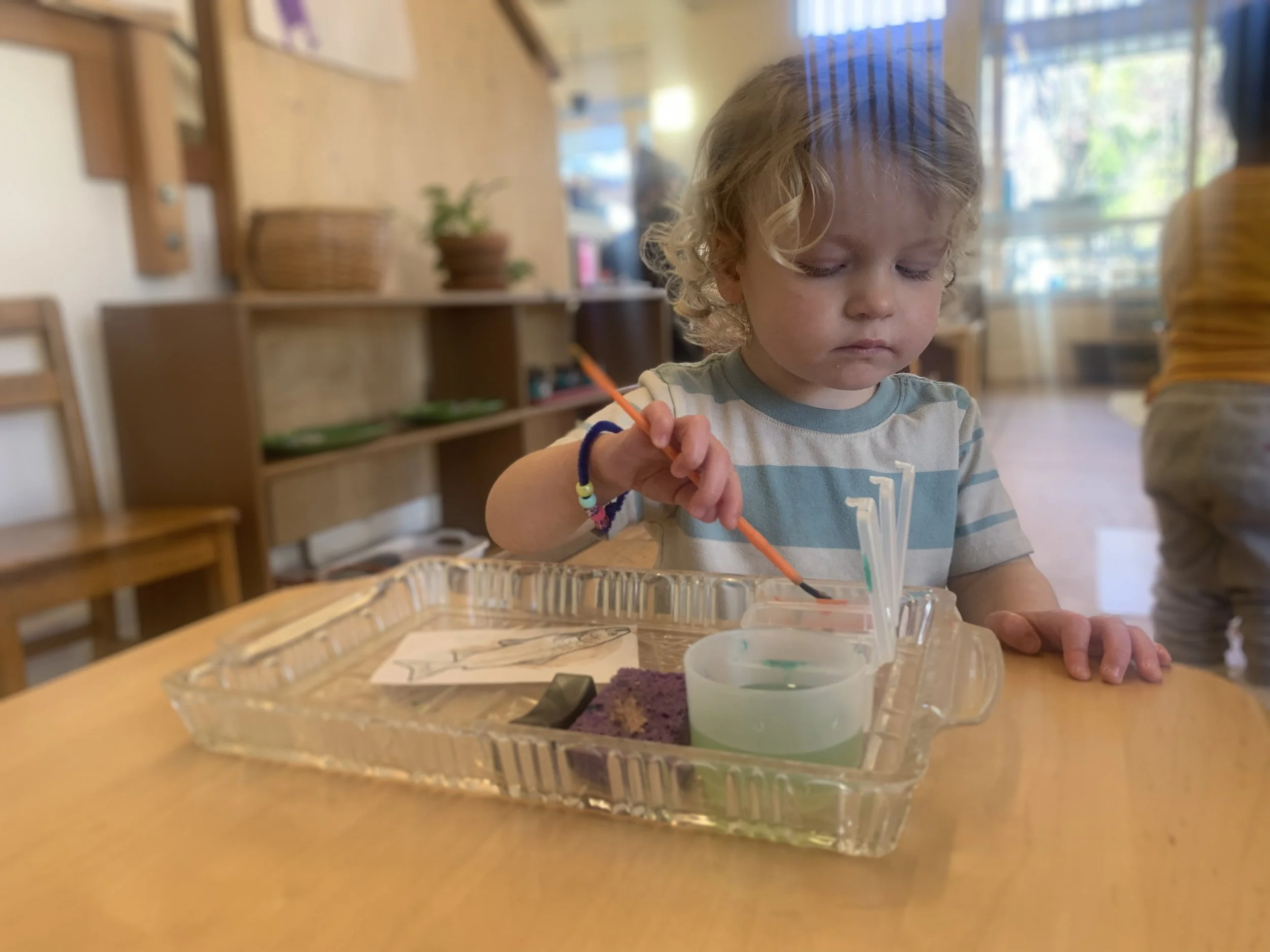


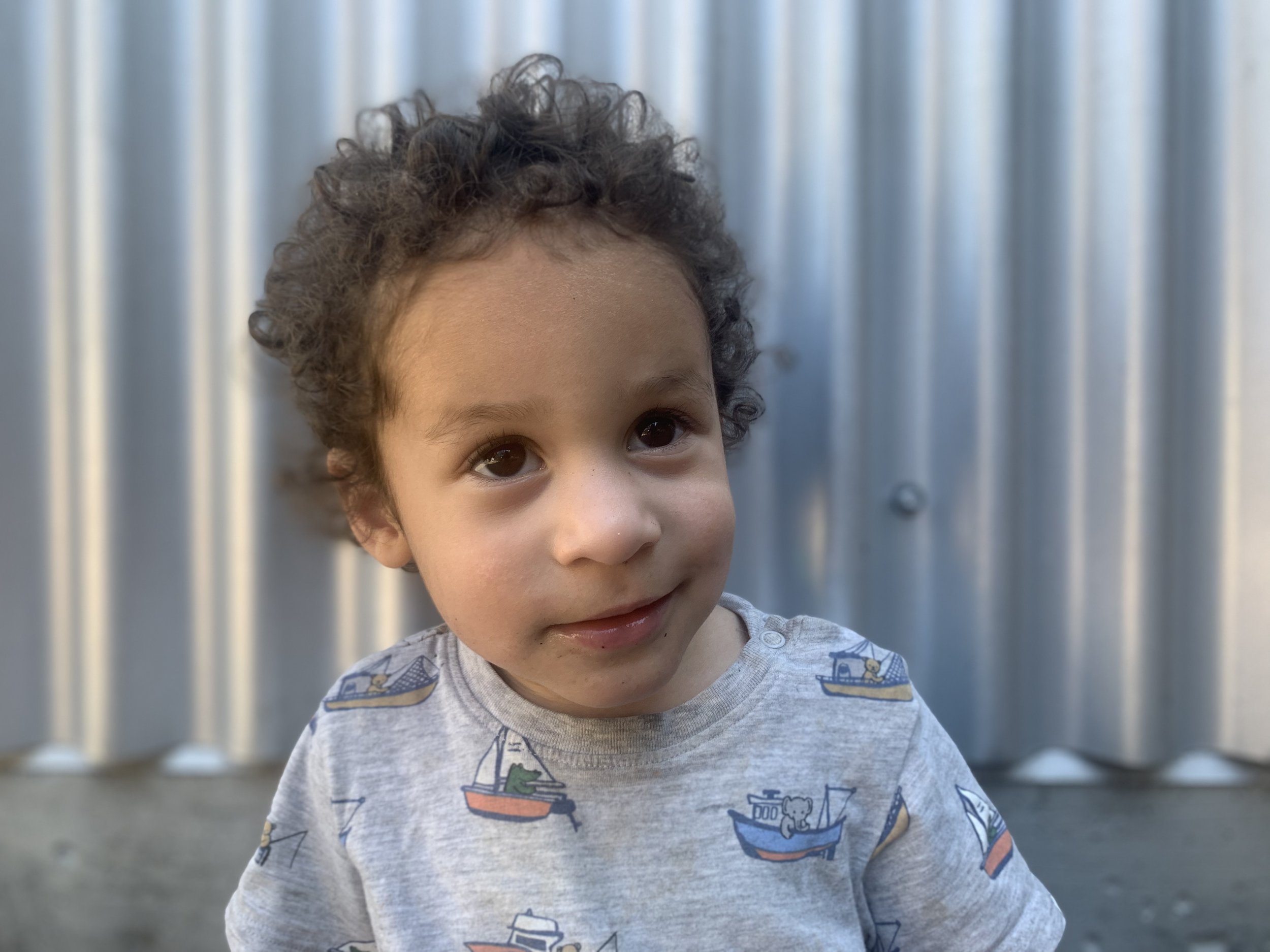


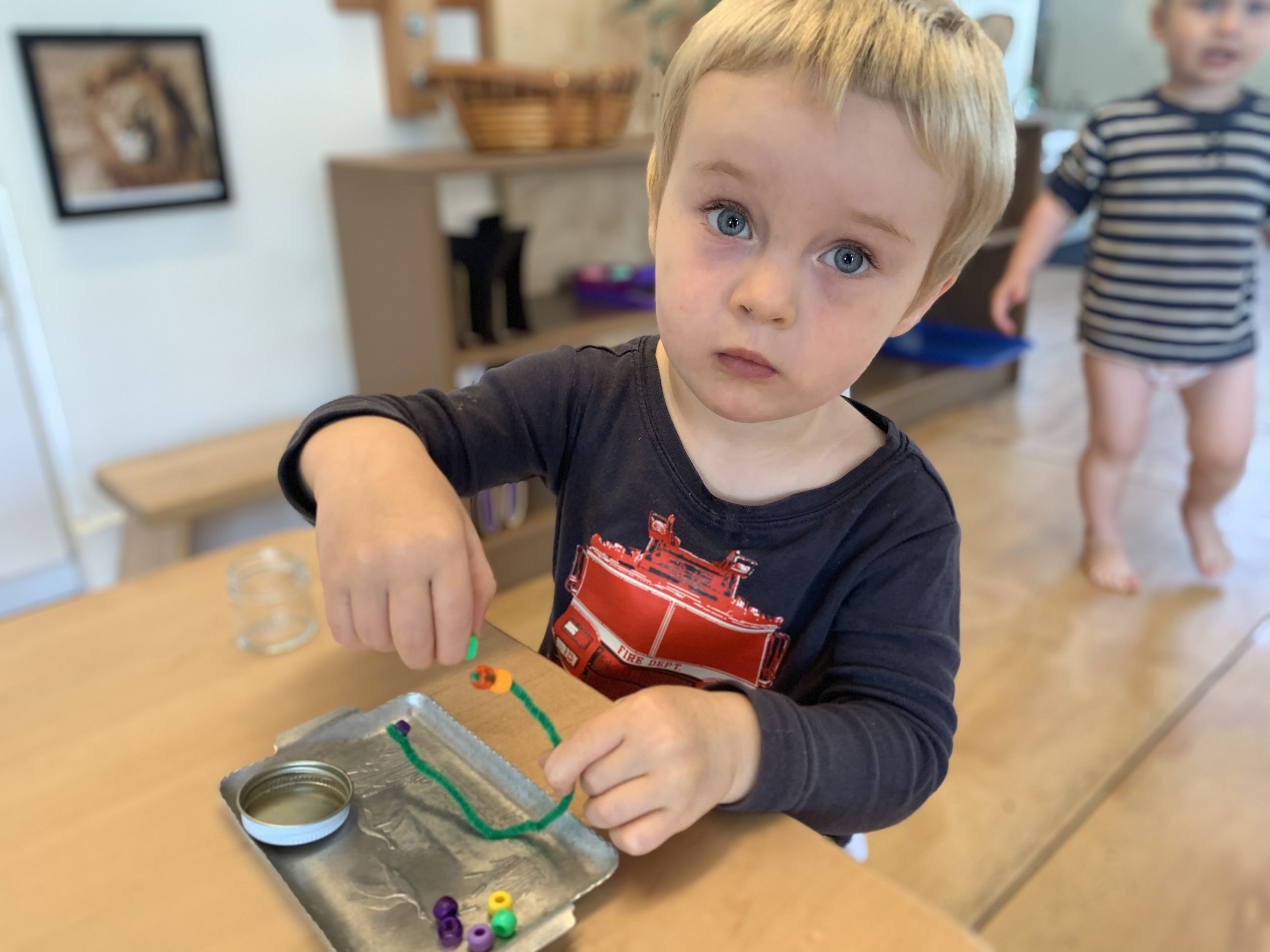


Nia House Parent Meeting April 17, 2024
Bullying is a planned activity that requires a degree of planning that preschool aged children are not yet capable of.
For example, young children think name rhyming is funny, and it can be considered part of their appropriate banter, when it’s consensual. Children also benefit from physical, sometimes rough, connection, and that can also be considered part of appropriate play, when it’s consensual. Young children are discovering the structure of social relationships and looking to belong. Early childhood is the time to explore the limits and boundaries of relationships and consent, especially while support from loving adults is present.
pushing
hair pulling
biting
grabbing
unkind words
exclusion “You’re not coming to my birthday party”
threatening
door slamming
Just as young children need to repeat using a spoon and counting to 100, before they get it mastered, they also need to repeat conflict resolution skills, which means repeating an aggressive behavior is developmentally appropriate. We as parents/teachers can define boundaries/set limits to minimize harm and demonstrate/encourage appropriate behaviors.
While at Nia House, there are many opportunities for repeating boundary setting and repair work, and the big implication is: conflicts can be resolved/ you know what you like and you need/ you can repair if you make a mistake (or hurt someone’s feelings or body).
Impulse control
Social
Communication
Recognizing similarities and differences (visual and auditory discrimination)
Repetition
Physical
Need for belonging and community
Children develop social‐emotional skills with increasing complexity from birth onwards
Nia House believes that experiencing conflict and the tools for repair will help to create a generation of future world leaders. We expect that early education will have lasting impact on how children interact as humans throughout their lives. Thus, teachers model language of care and repair through each part of the day- offering language to express needs and to solve problems.
Ouch! I do not like that.
We don’t push people, but you can push this truck.
I like it when you ask before touching me/my work/etc.
Before you touch, you can ask, ‘May I have a turn’
Model “checking in” ”Are you ok?”
Acknowledge the mistake “Ouch. That hurts. You were hit by the shovel.”
State the needs “You can ask your friend to have gentle hands/wait until I am done/or get an ice pask.”
Provide care
State future actions: “Next time I will...” :I’m Sorry” is not the cure or the solution.
“Ouch!”
“Is everything ok”
“Are you enjoying that game?”
“Do you need any help? Or How can I help?
“Are you hurt? Do you need a hug?”
Exclamation/ observation: Example- child hits - Ouch! Oh my! Wow- would you like to offer a high-5? Example, child grabs- Did you want to ask, may I work with you ?
Respond vs. React - ask a question rather than offer a judgment. Offer authoritative leadership- defined as thoughtful, deliberate, collaborative, responsive (not reactive).
Ask yourself - what is the unmet need? Is it attention, request, what skill is needed/ what is this behavior telling us (adults)?
Advocate for your child. Talk to your school teachers or leaders to learn more about your child’s needs and development.
When someone is hurt- we wait and watch- see if another child is helping and affirm that we notice and support their process of helping.
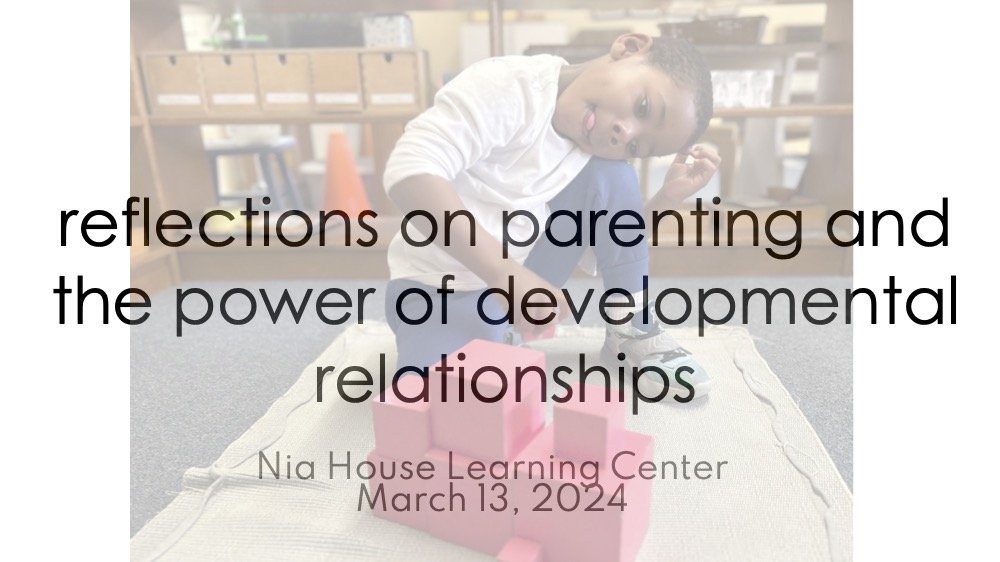
Thank you, Nia House parent community, for diving into parenting styles and the power of relationships.

The links below share booklists on children’s stories reflecting life, as it was, in Palestine.
“From heartwarming tales of friendship to insightful narratives about resilience, these books will spark conversations and broaden young minds, fostering understanding and empathy for the people and places of Palestine.” -SF Library
For toddlers/younger children:
Salim’s Soccer Ball by Naveen Abu Saleem
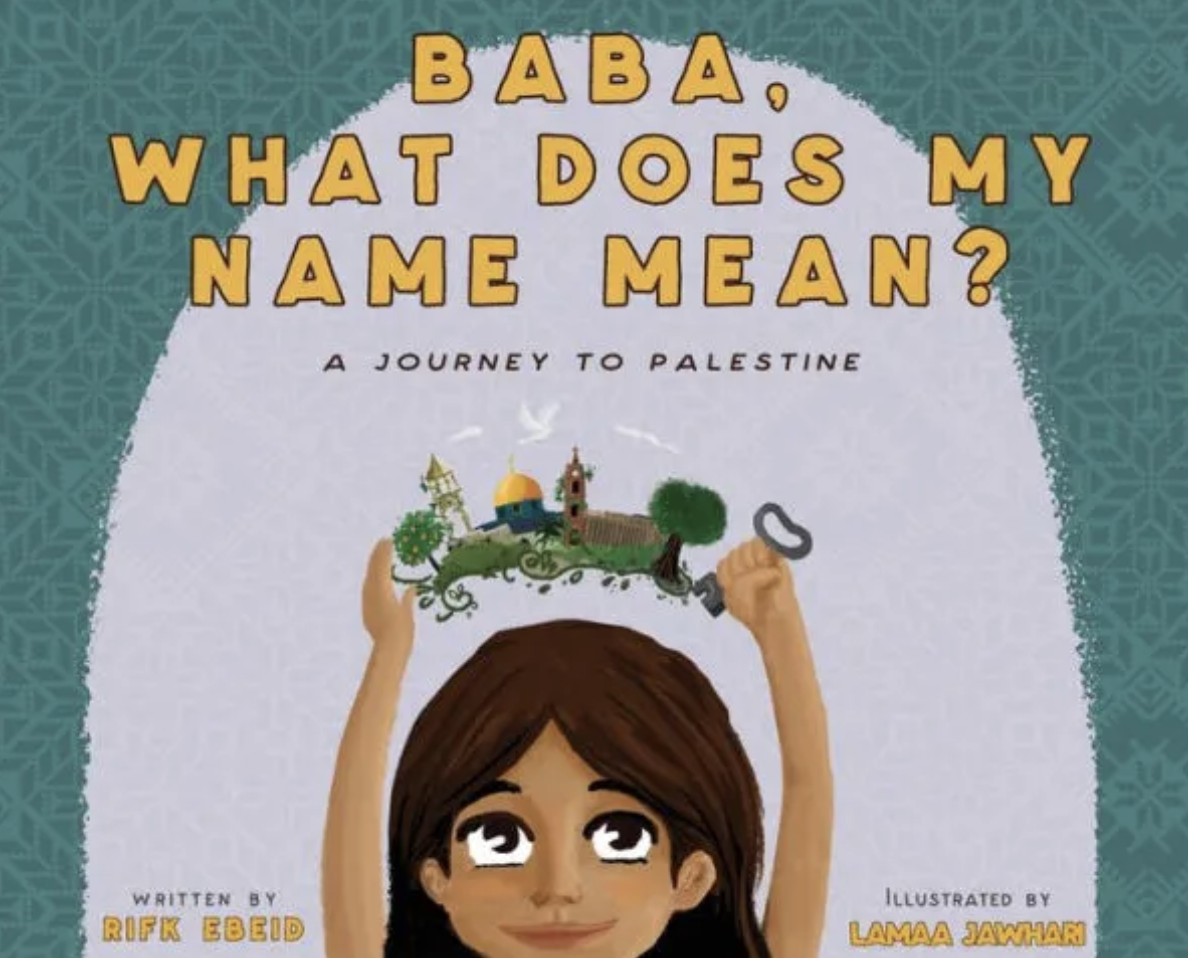
Baba, What Does My Name Mean? A Journey to Palestine by Rifk Ebeid
Sitti’s Olive Trees by Ndaa Hassan
Written in 2016.
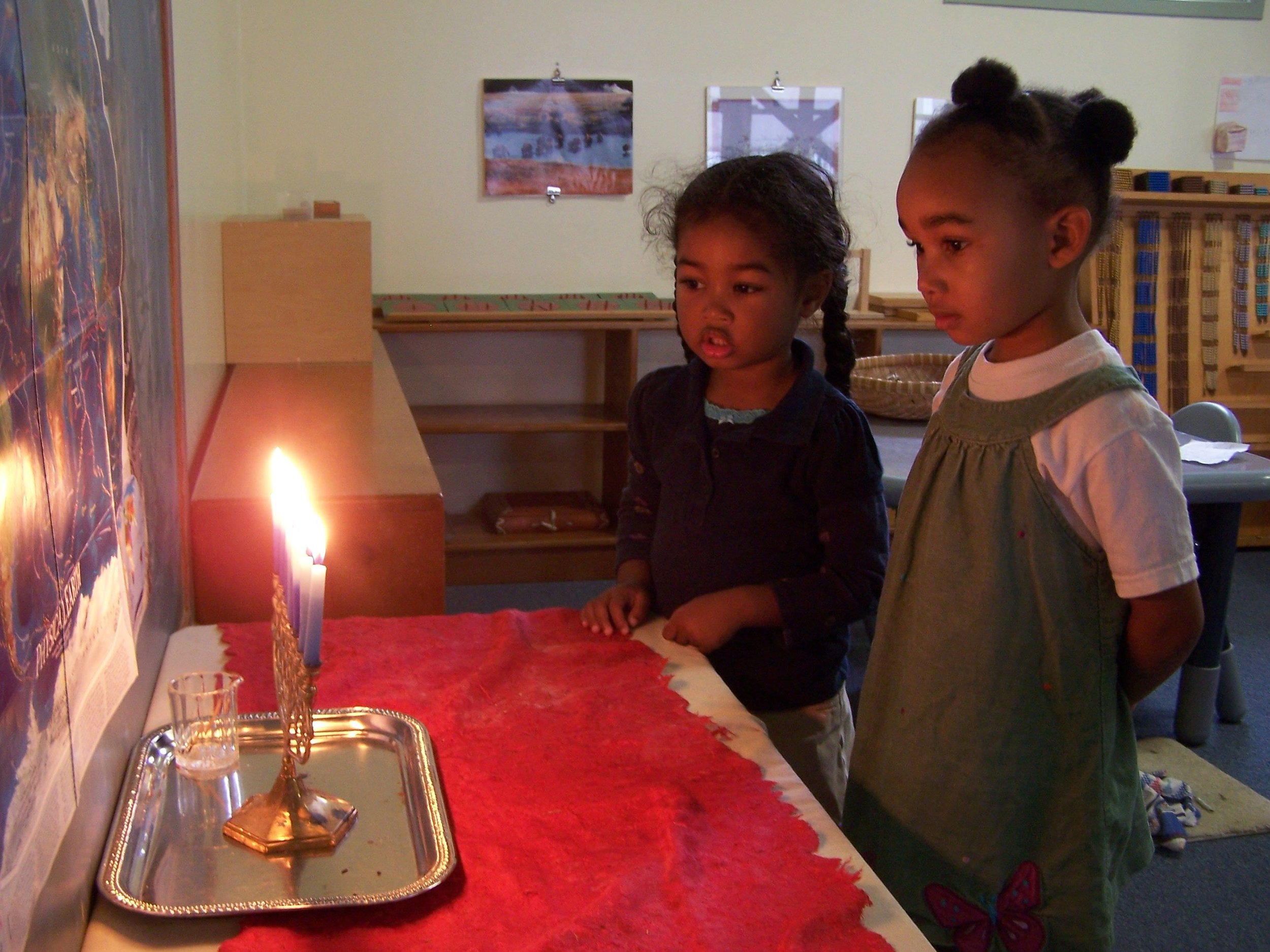
At Nia House we recognize this time of year as a special one for many families, faiths, and customs. As the season changes, many settle into warmth, light, and celebration. At Nia House, we love to join in, honor, and investigate this season and it’s celebrations.
Chanukah, Solstice, Kwanzaa, and Christmas are all a part of the Nia House curriculum. Nia House’s approach to each holiday is academic, inquisitive, and places the celebration into a historical and contemporary context.
What, you might wonder, do we do about Santa Claus?! Since we honor a plurality of experiences and celebrations, Santa Claus falls right in place with a history, a cultural context, and an honored space in the lives of those that incorporate Santa into their holidays. Our storytelling of the Santa Claus ritual stems from the history of Saint Nicholas, “a kind and generous man who left gifts of gold in the socks of a family in need. He was so kind and so generous that some Christian people named him a Saint- the highest honor of all! Christian people around the world believe that Saint Nicholas, also called Santa Claus, magically delivers presents to people on Christmas each year.” The story continues with global traditions around Christmas trees, lights, gifts and other specific Christmas rituals.
The article “Santa Claus: Making The Invisible Visible” by Maren Schmidt offers a unique approach to Santa Claus. Schmidt muses on who picked her coffee beans or built an airplane, thus honoring the invisible labor that brings great luxury and comfort to her life. She shares, “I see Santa Claus being all these people in the world, who strive to serve humankind, to make life more enjoyable, more comfortable, more magical.” Maren Schmidt brings forth an interesting social economic concept during a holiday season that can be laden with materialism. No matter what holiday a family celebrates, there are people that work, sometimes invisibly, to generate comfort, enjoyment, and magic. Some of us may incorporate Santa into this holiday season, and even if we do not, we can all gather around the value Schmidt describes in a developmental framework,
“As the young child enters a developmental stage of reasoning, around age six, and begins to wonder about Santa, we need to give them opportunities to work and contribute to something bigger than themselves. We need to show them how to choose to be part of the magical power of giving, service and surprise.
”
Thank you to the Nia House families that modeled this spirit of giving and service with donations to Standing Rock. As Nia House recognizes the many holidays of this season, we remain committed to instilling the value of service and of caring for one another and our environment. We always strive to honor each child and family’s truth and customs and by doing so the children at Nia House become aware of multiple truths, diversity in celebration, and a rich awareness of the winter holiday season.
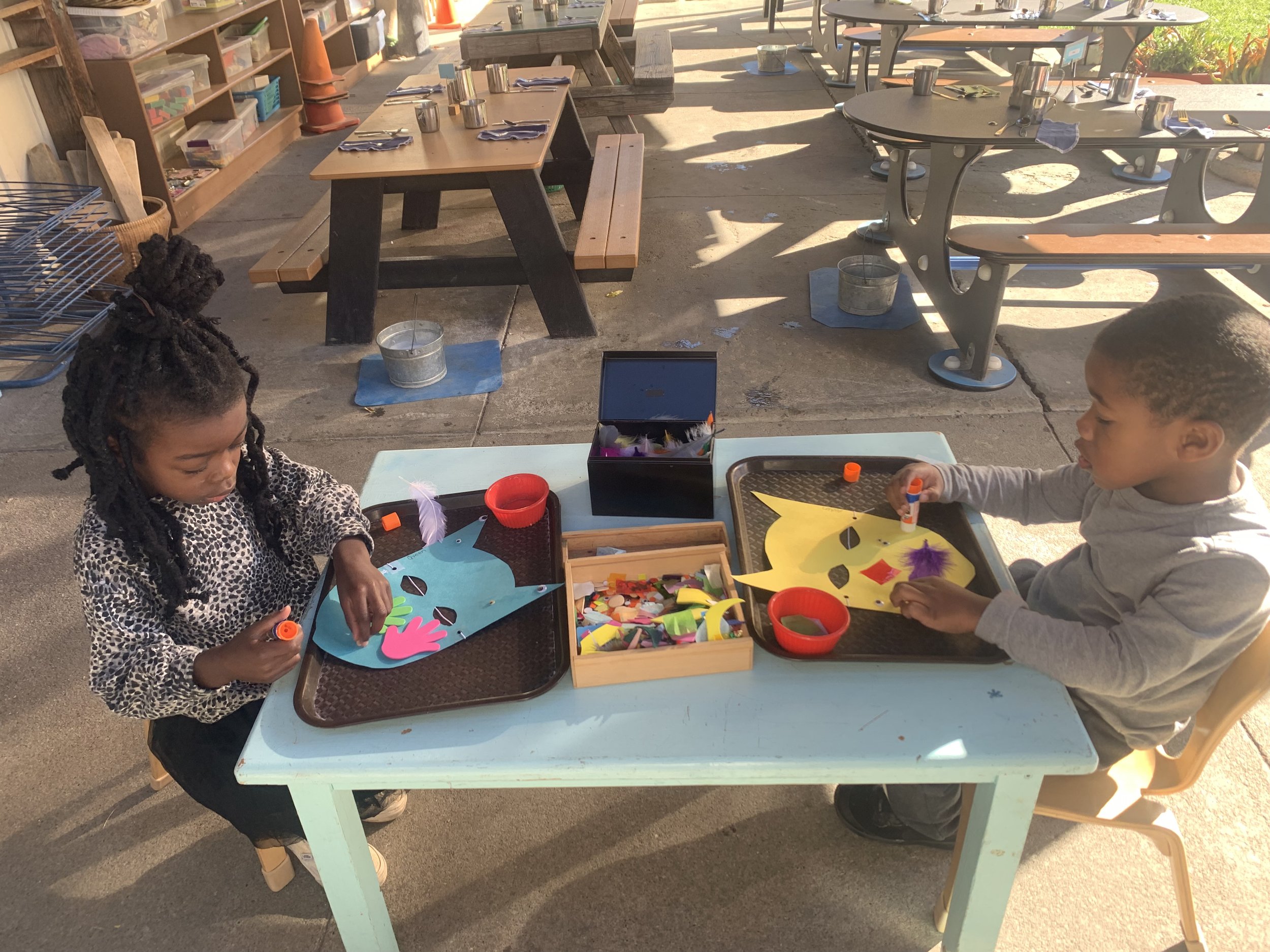
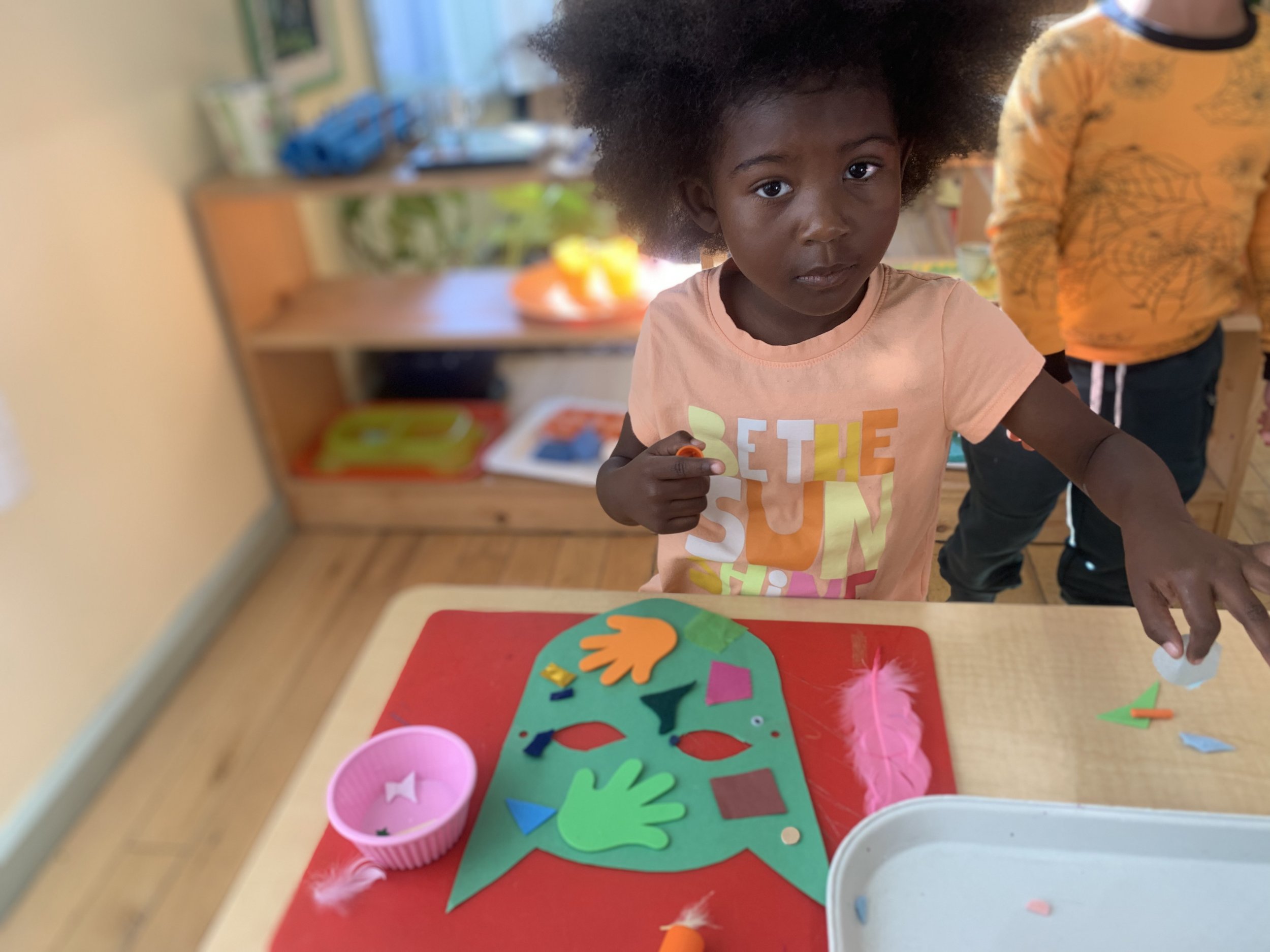
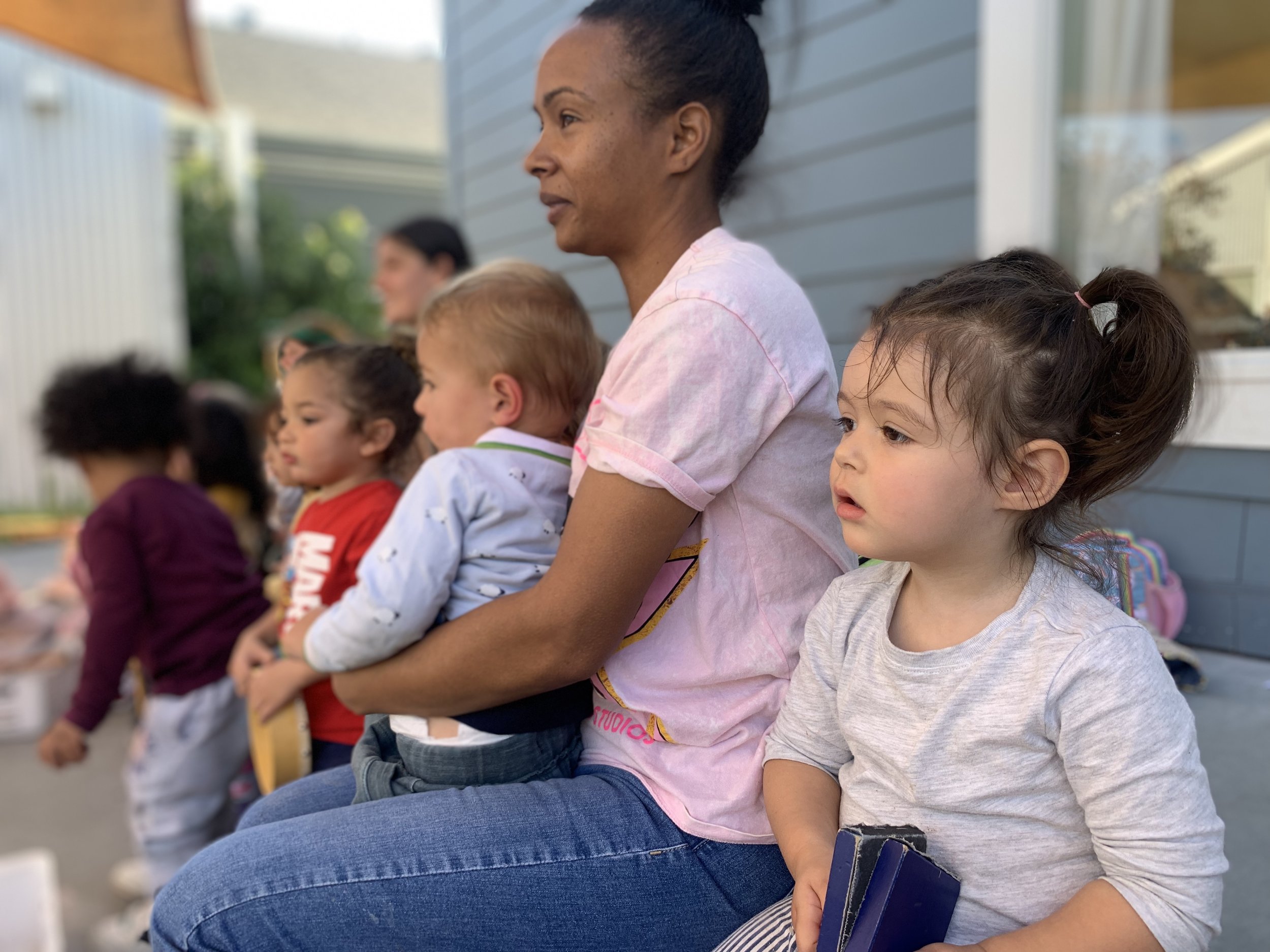
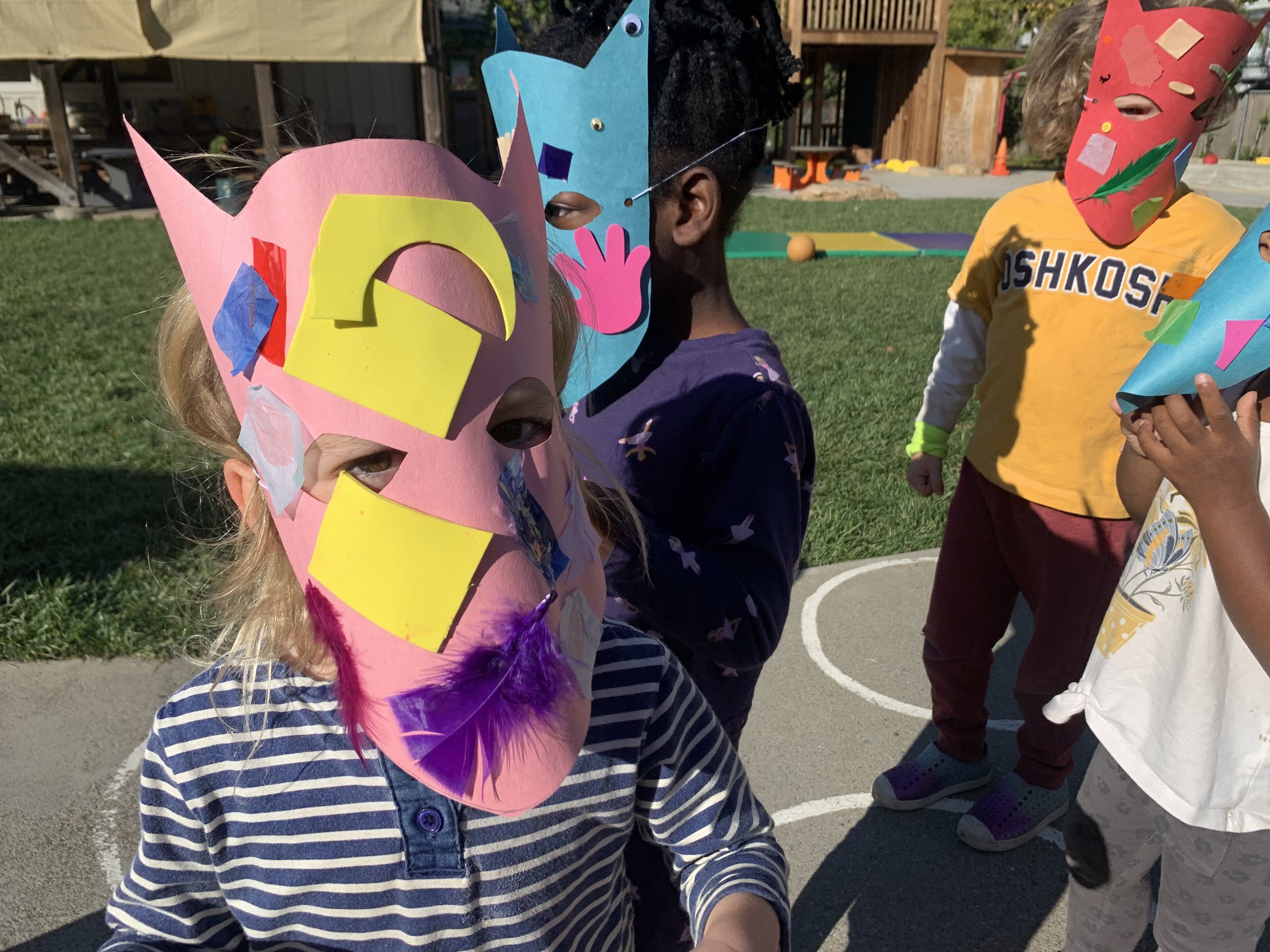
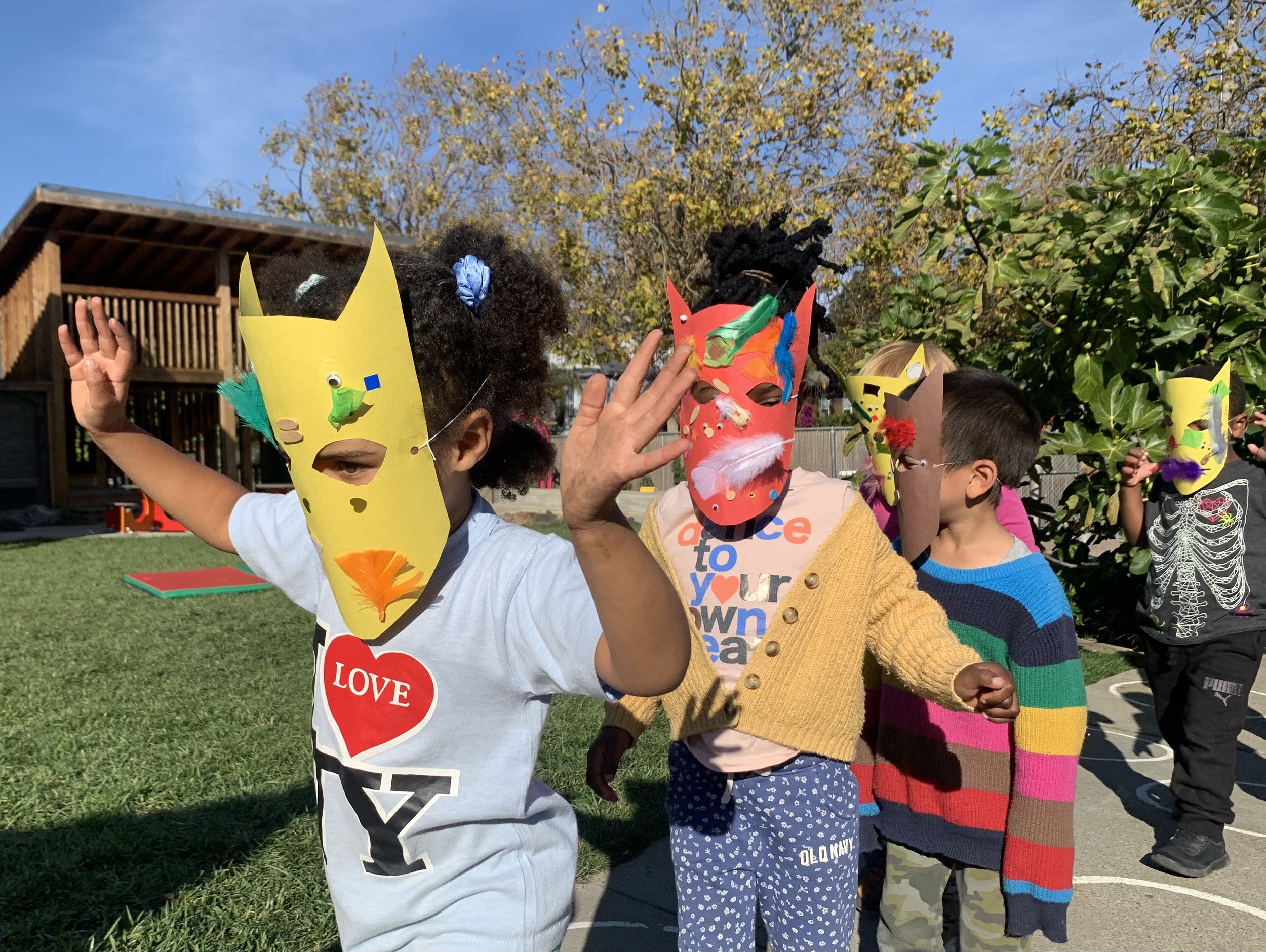
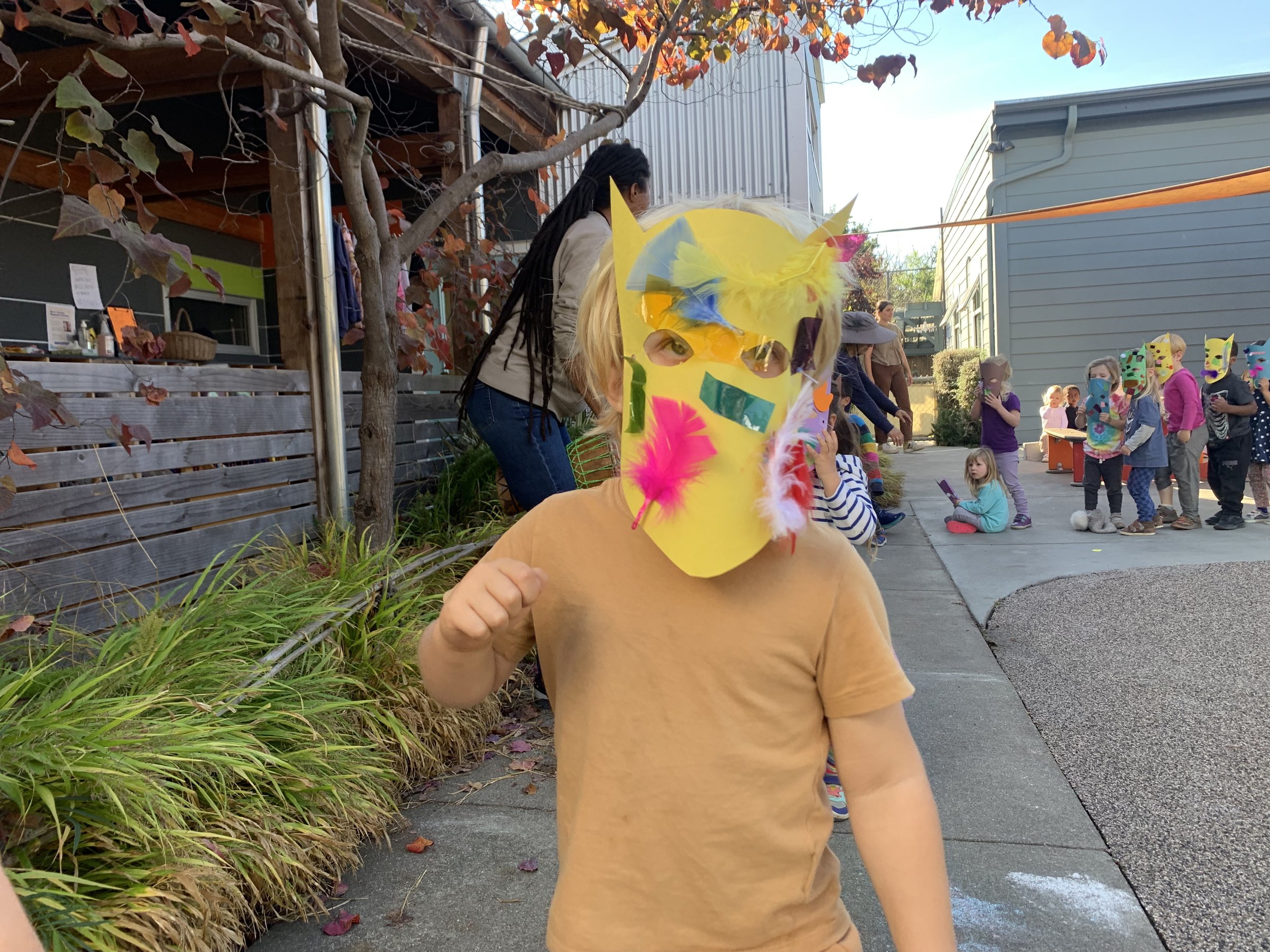
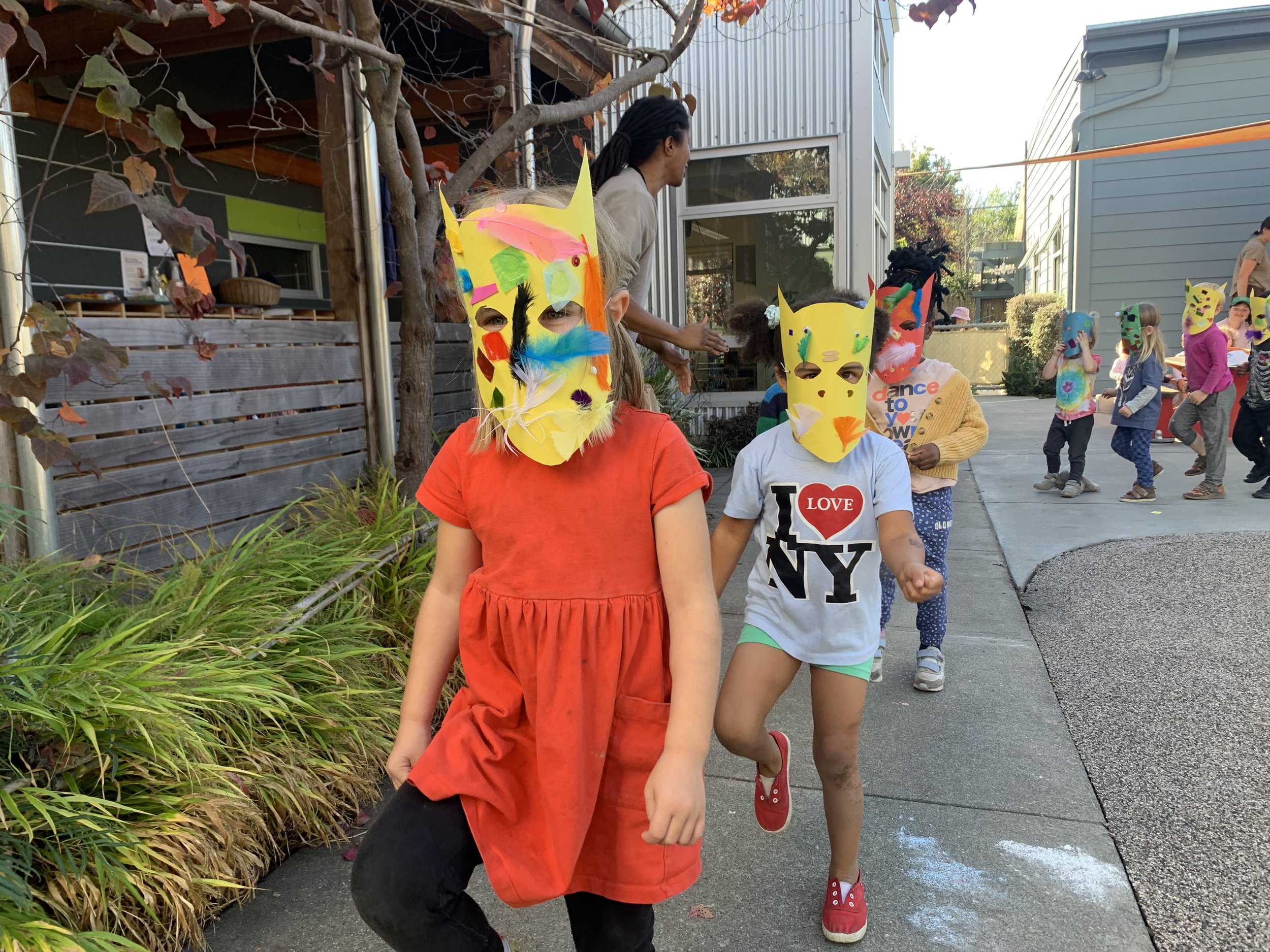
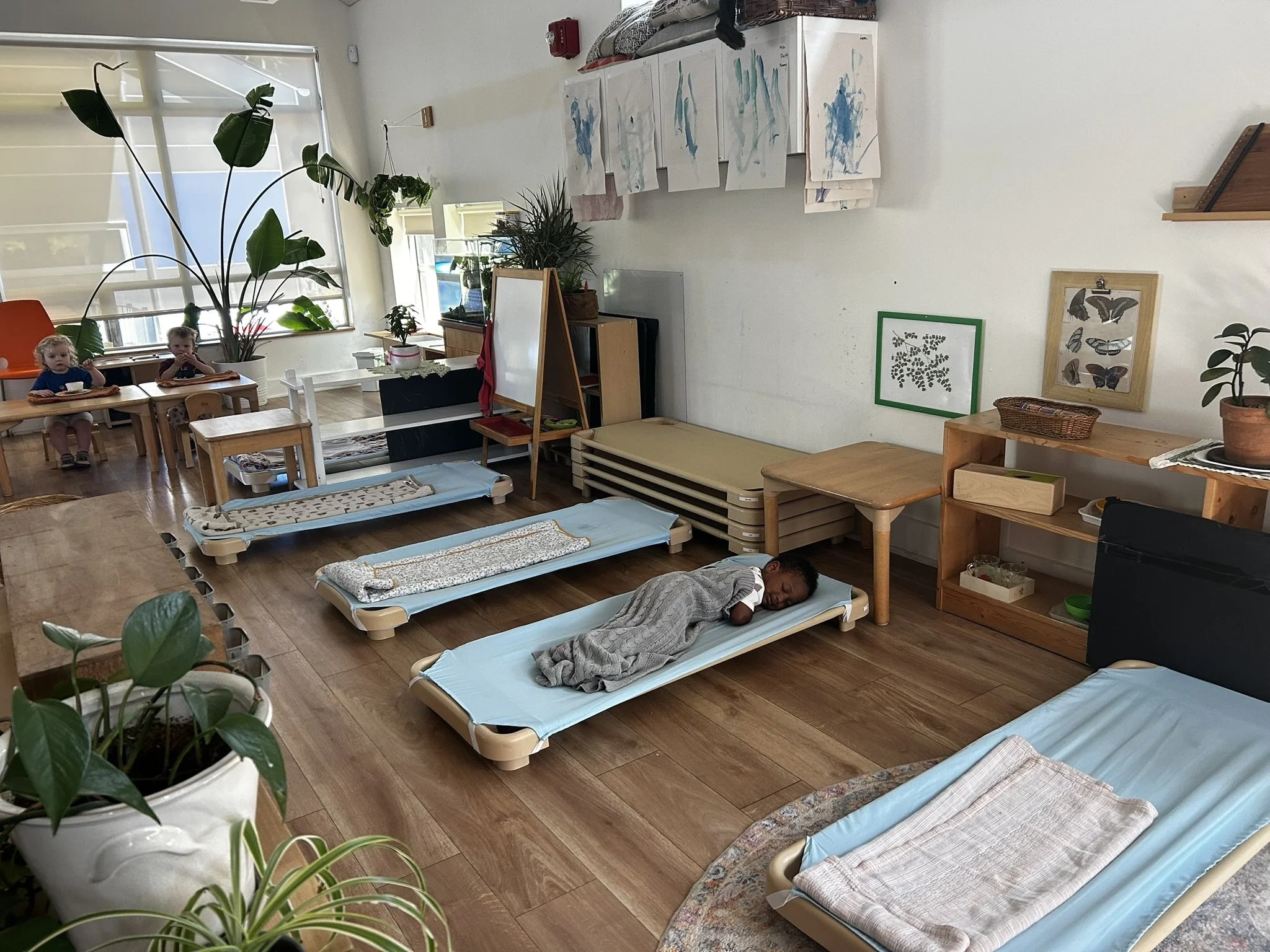
Each day, the Nia House children sit down to a set table. Toddlers sing the same daily songs, light a candle, make silence and take grounding breaths. Children in the primary find the reusable metal cup with their name on it, put their napkins on their lap, eat, and chat with their friends. After eating, the toddlers clear their plates, silverware, cups and napkins, wash their face and prepare for nap. The primary children pack up their lunch box, clear silverware, cups, and napkin and ready for play time on the yard. During their outside time, members of the primary community put on aprons and scrub the lunch tables with soapy water. Lunch is a peaceful experience, as the children know what to expect.
A SNAPSHOT INTO TODAY’S LUNCHES (see actual pictures at end of blog):
edamame + tofu
avocado + grilled cheese
yogurt + strawberries
ravioli + zucchini
hummus & cheese sandwich + sliced fruit
pesto pasta
broccoli, yams + salmon
sliced carrots
rice + beans + quesadilla
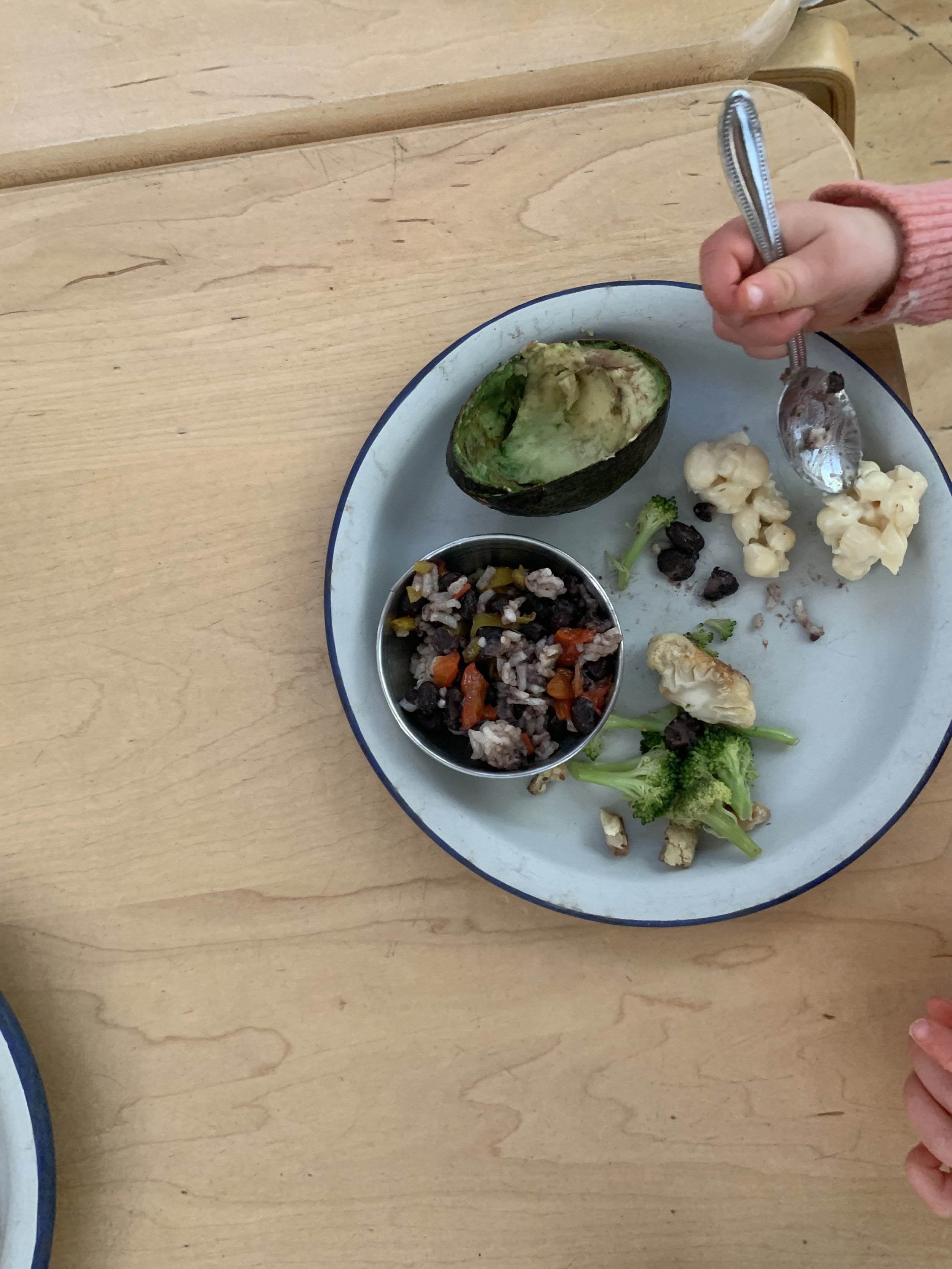
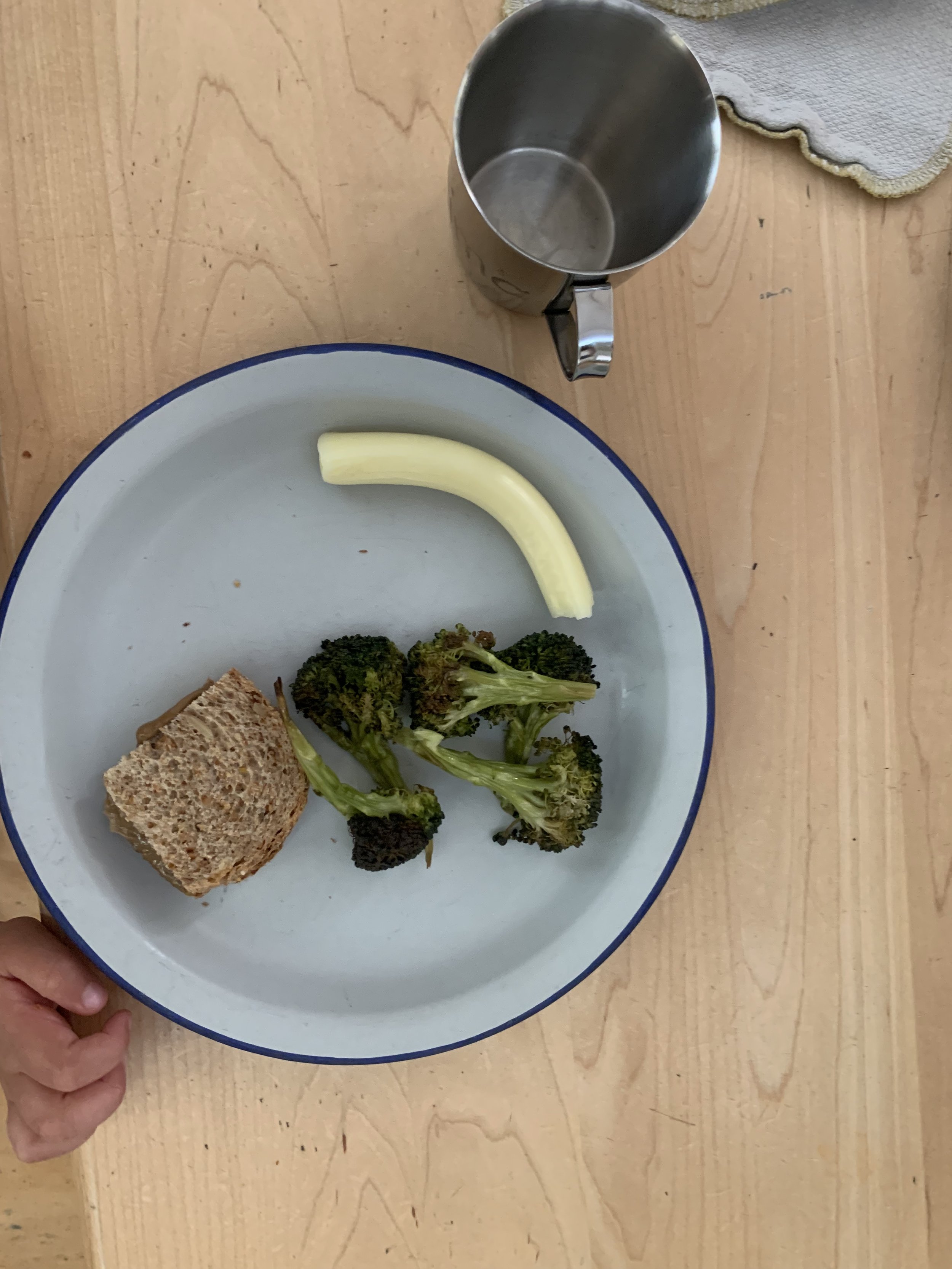
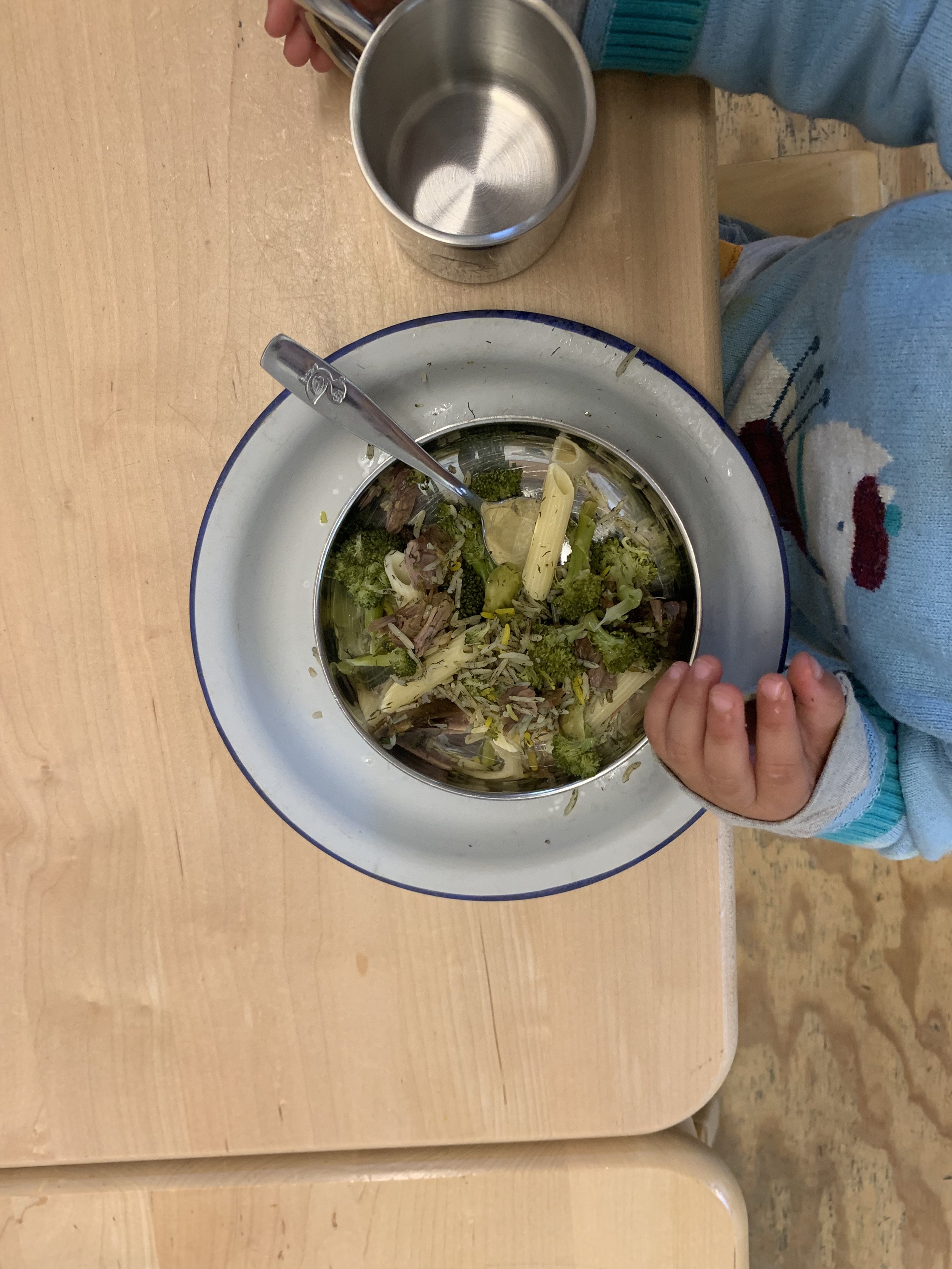
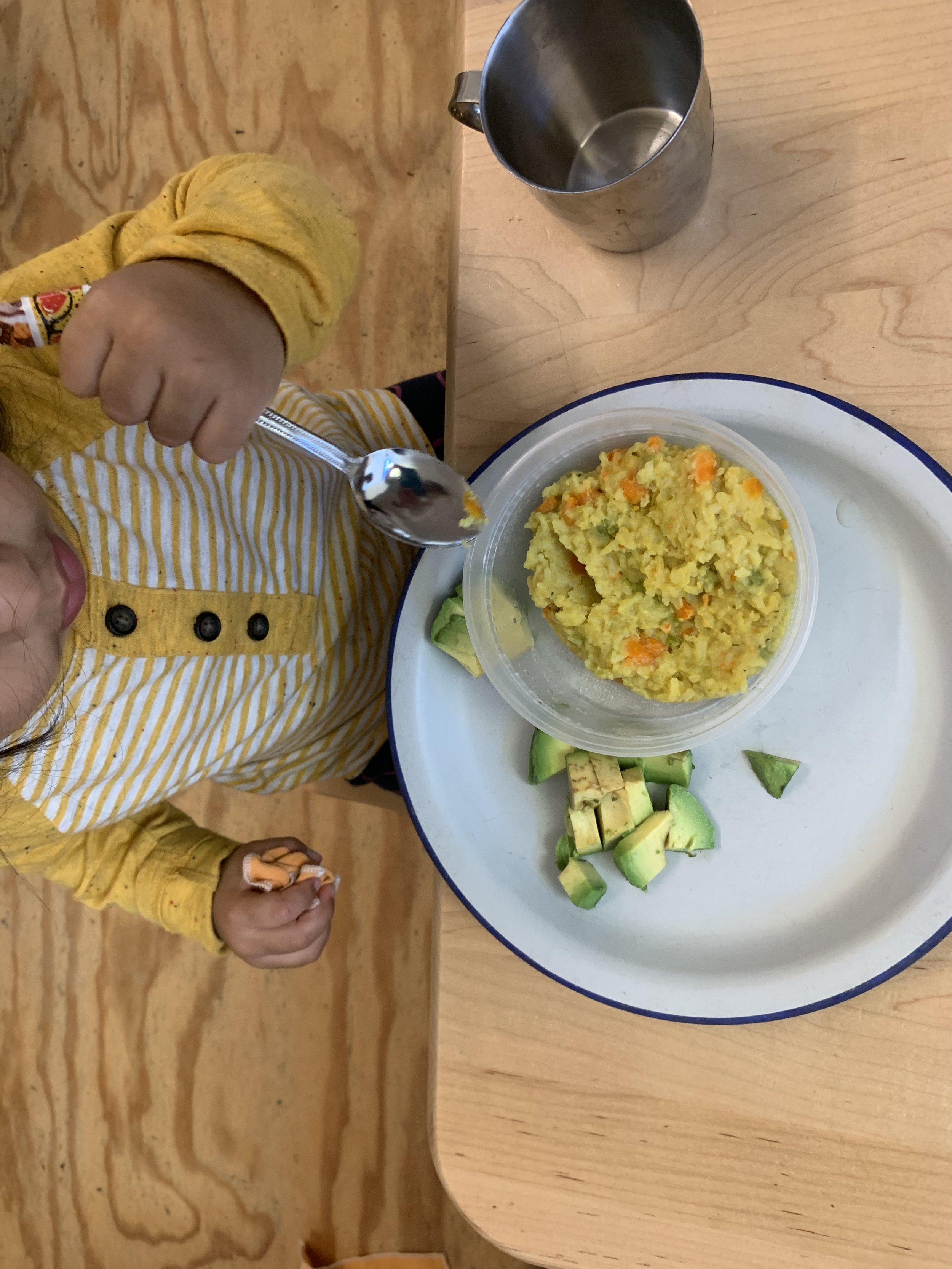
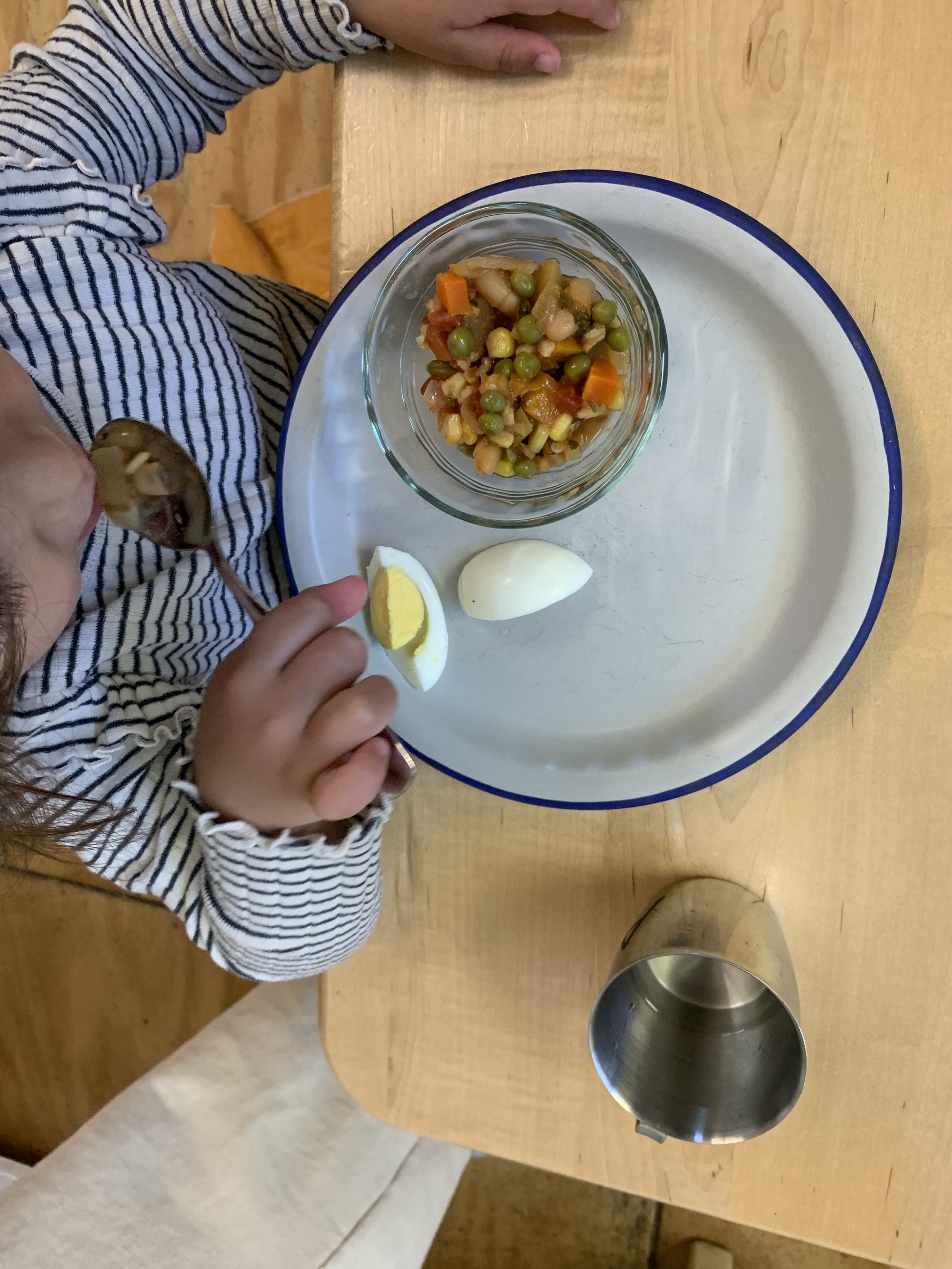
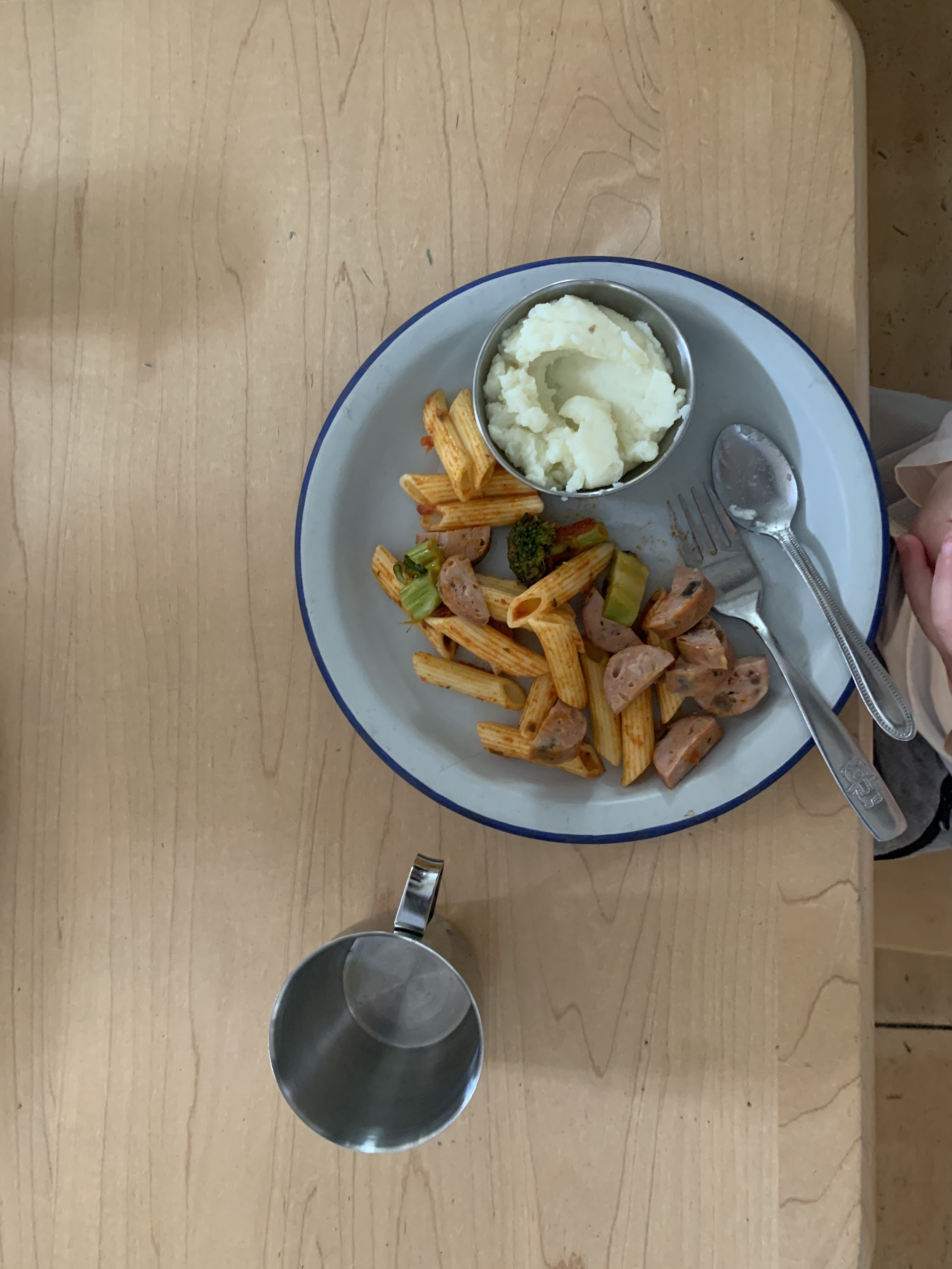
Eating a diversity of colorful foods is a way to get the complete range of nutrients that a growing body and brain needs to thrive.
Foods with texture help children develop important oral motor and sensory skills.
Nutrition habits begin now as children are in a sensitive period of developing taste preferences and rapid growth (physical, cognitive, social, emotional).Daily variety in lunch (even if slight changes) will keep lunch time interesting and compel healthy eating habits. We encourage children to eat a portion of each food group.
(adjust to dietary needs- vegan/vegetarian): Fruits, Vegetables, Grains, Protein Foods, and Dairy
no nuts, no sugar (including juice), no snack foods (crackers, chips, pretzels), limited salt.
PROTEIN
Warm:
Soup or stew, heated and stored in an insulated container
Leftovers such as chicken, turkey, or casserole, in insulated container
Eggs, scrambled
Mixed cooked grains, heated (such as rice and beans)
Pasta (such as spaghetti, macaroni and cheese)
Cold:
Sandwich (egg, tuna, meat, cheese)
Eggs peeled, hard boiled
Yogurt with fruit
Cottage cheese
Finger food (cheese, etc.)
FRESH FRUIT
Half of an apple
Melon, berries, pineapple pieces
Half a banana
Seedless grapes
Peeled orange, etc.
Do not send fruit leather or dried fruit
VEGETABLES
Fresh carrot sticks, celery,bell pepper, cucumber (cut into thumb sized sticks)
Cooked peas, green beans, corn, etc.
Salad: greens, carrot, potato, egg, pasta, etc.
Problems with eating too much sugar or salt:
Causes tooth decay
Raises risks of diabetes and higher blood pressure
Can drain calcium from young children
Can contribute to high cholesterol
Can contribute to emotional distress, irritability, mood swings, difficulty concentrating, anxiety, hyperactivity, aggressive behavior, fear and insecurity
Salt can cause fluid retention and decrease of absorption of nutrients, weakening bones, nerves and muscles
Though some salt is needed in a healthy diet, Nia House is just trying to limit the EXCESS salt present in snack foods, most packaged or frozen food/meats, and fast food
Problems with eating too much fat:
Though the polyunsaturated fats in seafoods, avocados and vegetables are incredibly healthy for children, Nia House is trying to limit trans fats and hydrogenated oils in children’s diets. Examples are frozen foods, commercially baked foods, and fried foods.
Essential fatty acids are necessary for brain development and for energy, lowering cholesterol, insulating the body and more.
Trans fats found in fast foods and many prepared and packaged products can increase LDL (the bad type of cholesterol) and decrease HDL (the good type of cholesterol).
Trans fats have also been linked to an increase in cancer rates, and a general lower immune response.

“When the Europeans came there was great conflict, land was wanted and taken from native people; people were very angry, so angry that they shook their fists and were unkind.