Solar, at Nia House?

The sun waited. So did we.

By Adriana M. Peñuela-Useche, Nia House Board President

Nia House’s commitment to environmental sustainability and fiscal responsibility: Nia House is now powered by Solar Energy!

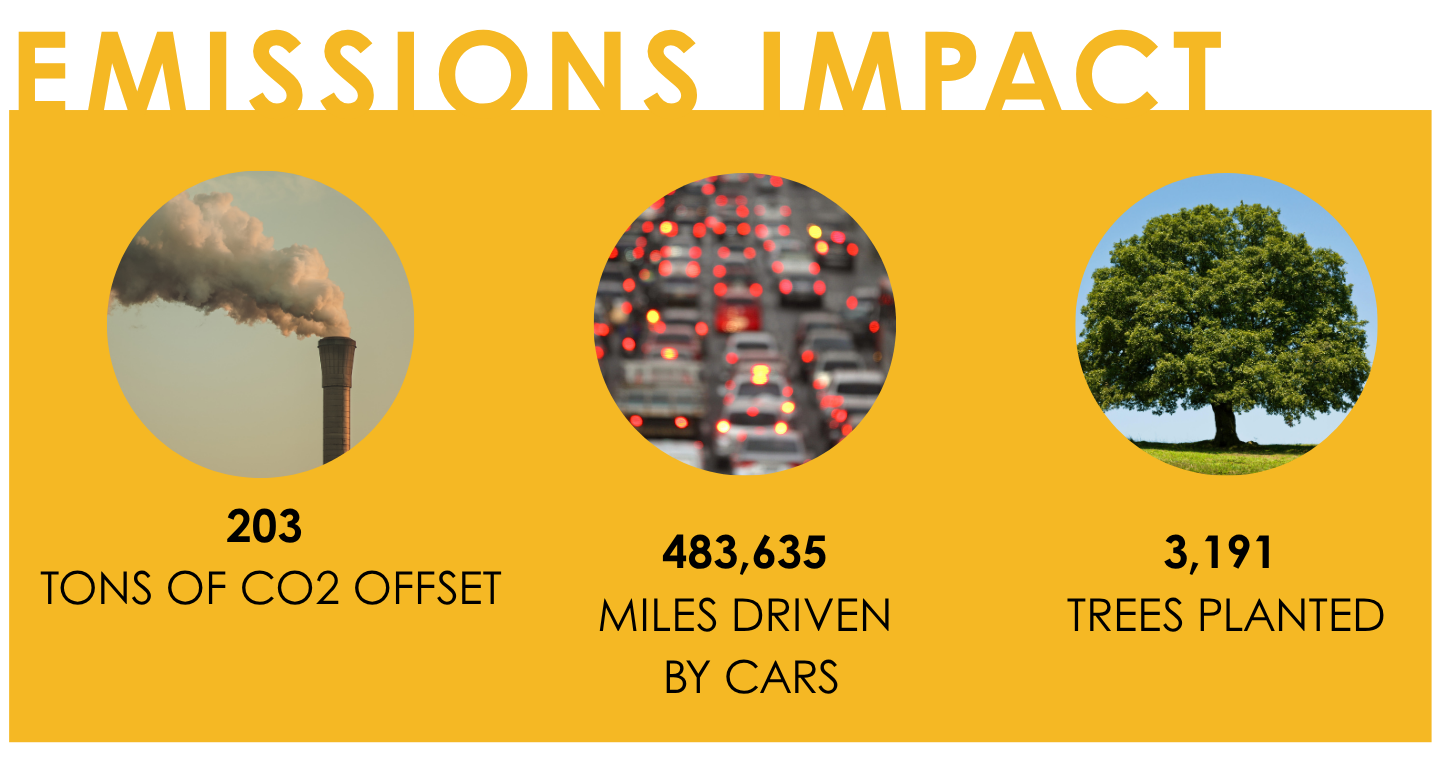
This journey began during a Board meeting where we chatted about our certifications for Green Business, Eco-Healthy Childcare, and EBMUD WaterSmart. We challenged ourselves to find more leverage to live our values in a way that also made sound business sense. Electrification and emissions reduction was one of those salient themes to truly evaluate our impact.

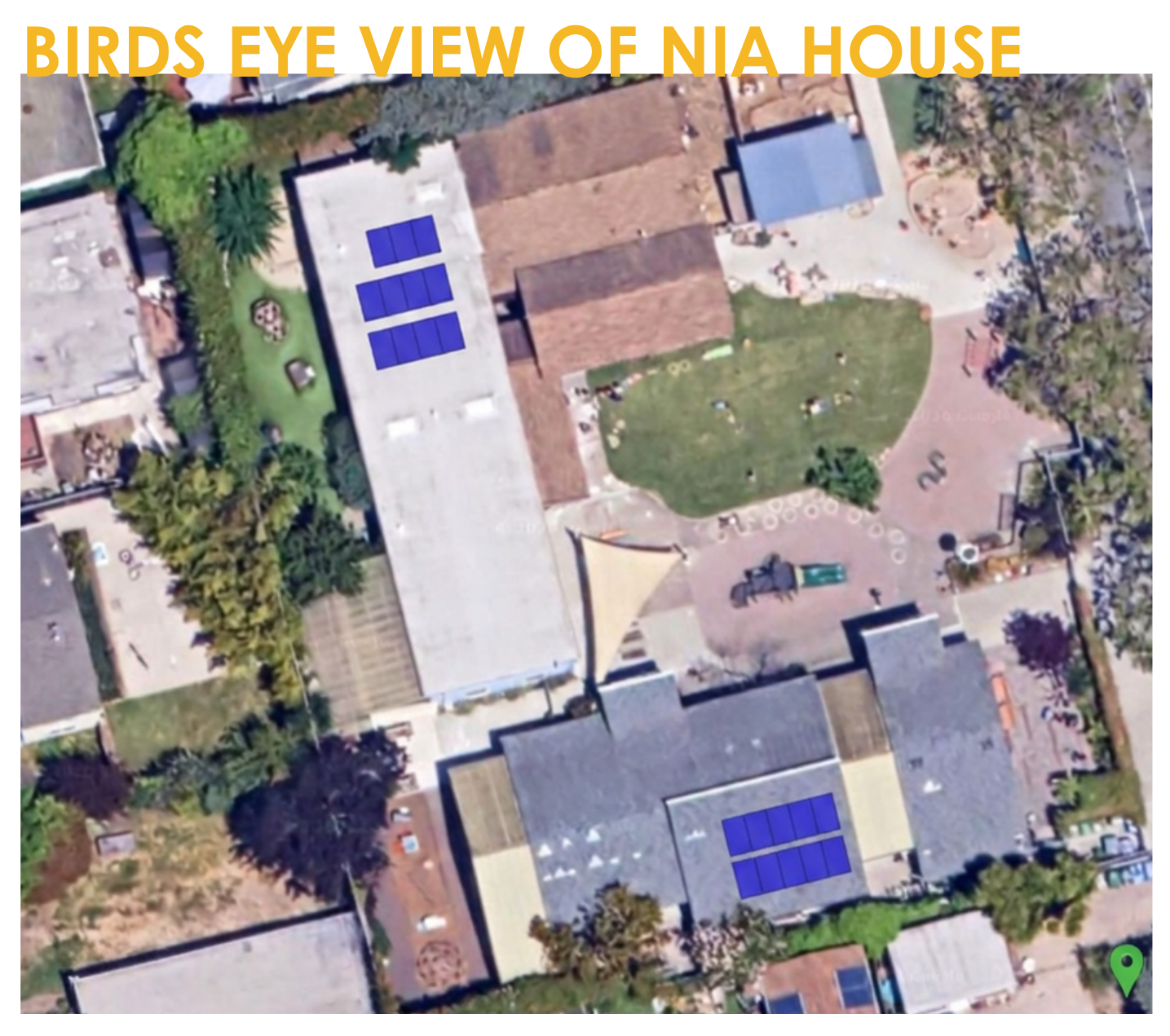
With California electricity rates rising rapidly (increasing between 7% and 25% in some regions from 2019 to 2026) and the accompanying CO2 impact, we knew we needed a sustainable alternative. We set aside capital that serves as our rainy day fund into a mutual fund investment that generated in 3 years enough to cover the full cost of solar. And to maximize our investment, we moved quickly this summer to take advantage of the Inflation Reduction Act’s 30% discount, installing two solar systems complete with a resilient battery backup system.

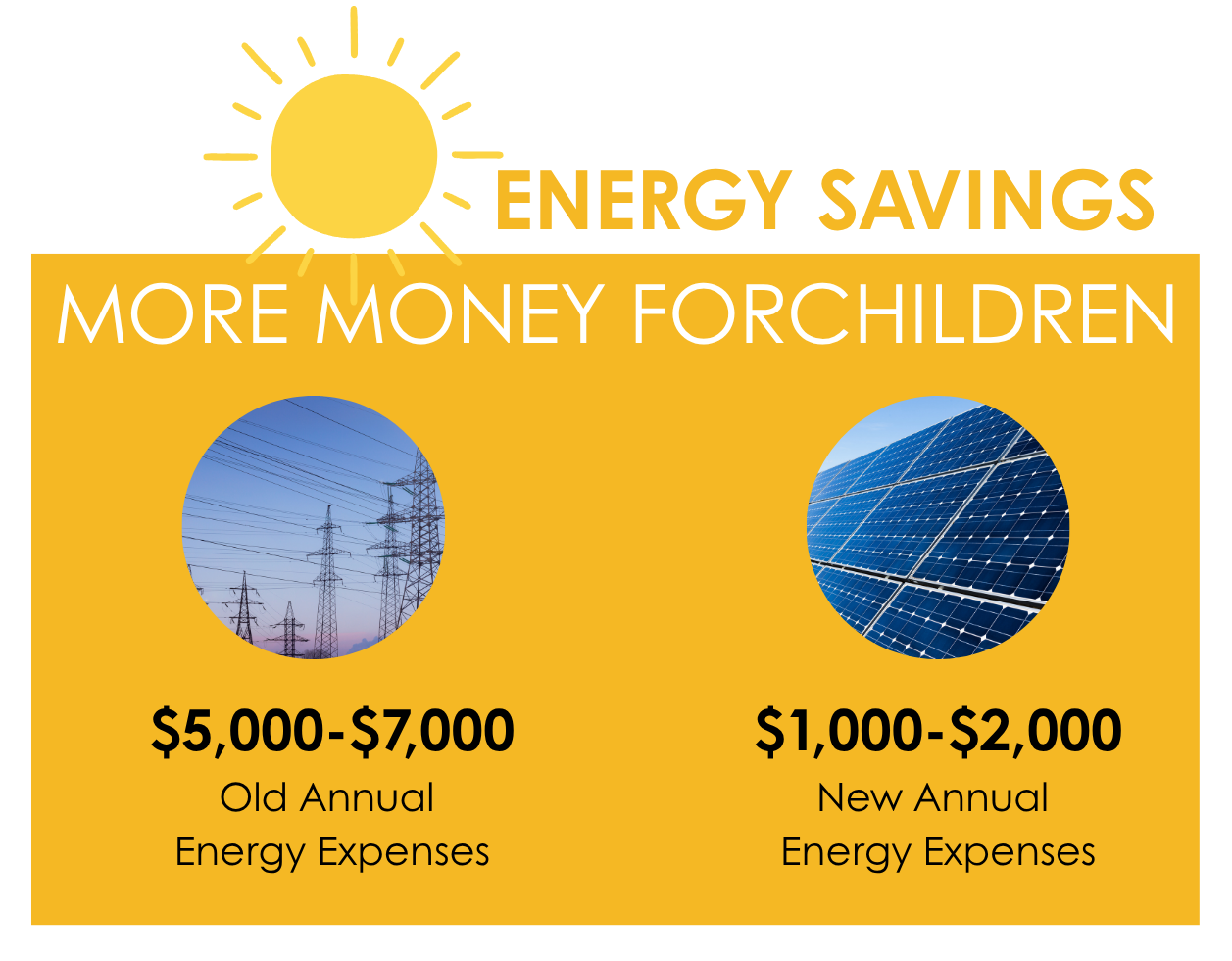
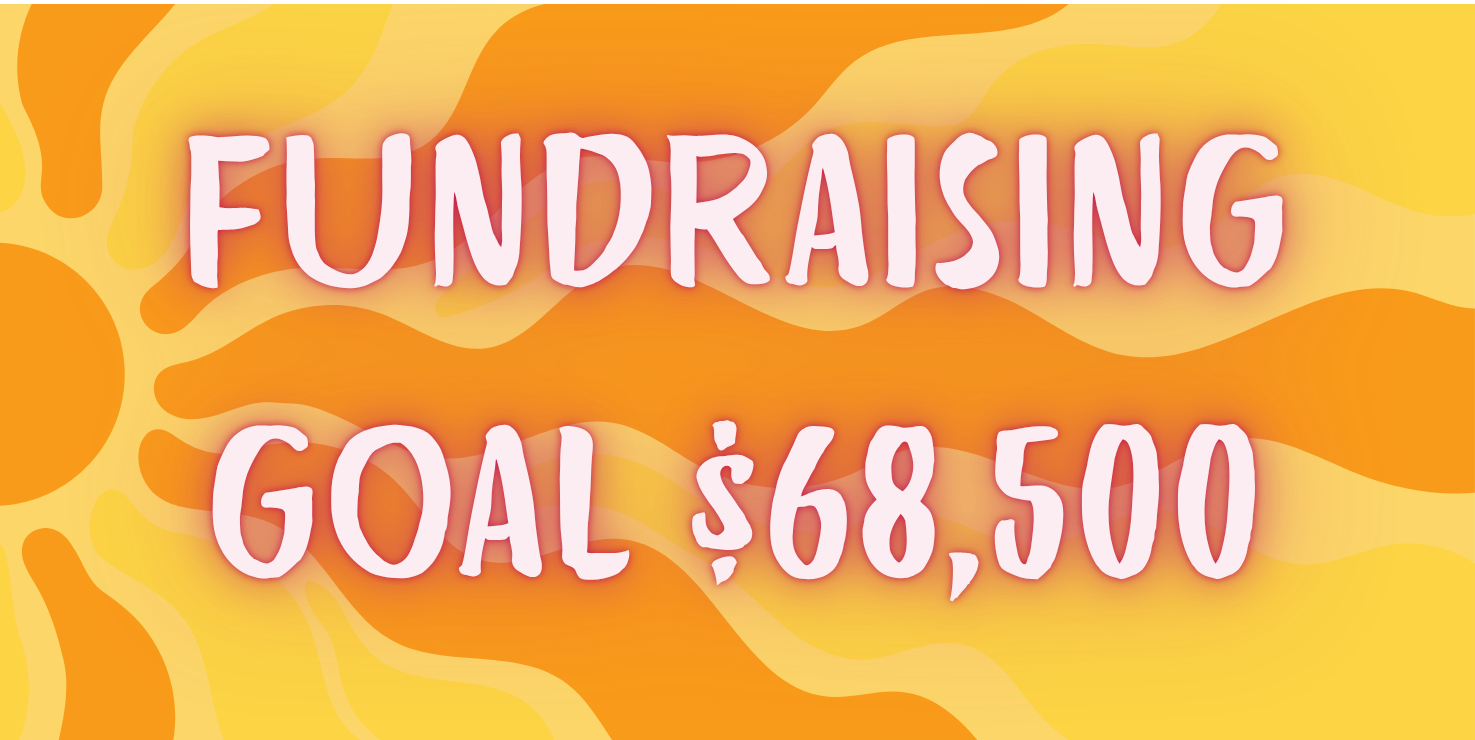
Financial impact: Our annual energy expense ranges from $5 to 7K and will be reduced to an approximate ~$2K a year, a significant reduction that justifies the investment. These savings could go directly back into supporting our school and investing in our children, rather than paying utility bills.

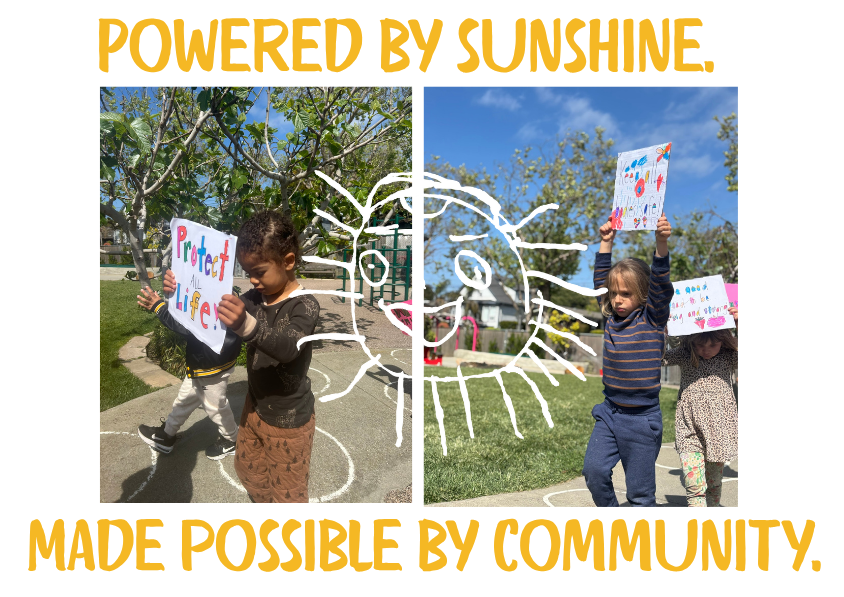
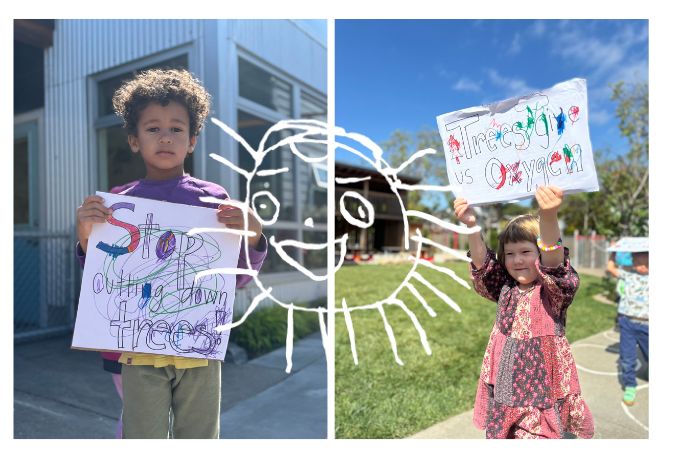
This number may not seem that large, but in reality the number that moves me most isn't a dollar figure. A couple of years ago, we had an afternoon where NH kids made signs about things they truly cared about. Some kids held up signs that said “Protect the Environment”. Kids notice what the adults around them choose to do, long before they understand why. Solar panels on our roof are a quiet, visible way of showing them that caring for the earth isn't just something we talk about at Nia House. 

You don't need a science degree to talk to a child about solar. The easiest way in is through something they already know: plants. Ask them what a plant needs to grow, and they'll usually say water and sunlight without missing a beat. Tell them solar panels do something similar. They drink up sunlight too, except instead of turning it into leaves, they turn it into electricity for our classrooms. Next time you're dropping off or picking up, look up at the roof together and ask what they think those panels are doing. Let them guess. The conversation that follows, about where power comes from and why some ways of making it are gentler on the earth than others, tends to go further than anything you'd plan in advance.

That's the whole story, really. A green certification conversation turned into a three-year plan, a summer of construction turned into two solar systems and a battery, and somewhere in the middle of all of it, a four-year-old with a handmade sign reminded us why we started.