Early childhood education is among the most consequential investments a society can make. In the earliest years of life, children develop the knowledge, social skills, emotional awareness, confidence, independence, and curiosity that become foundations for all that follows. Children learn to communicate, cooperate, navigate relationships, manage emotions, solve problems, persist through difficulty, and experience themselves as capable human beings. These are more than school-readiness skills. Learning in early childhood education forms the beginnings of a meaningful life.
Of course, I am biased. I am an early childhood educator, and I have devoted much of my life to this work. Yet, with all the conviction of my heart and with all that I have learned, I confidently believe that early childhood education is some of the most important and influential work there is.
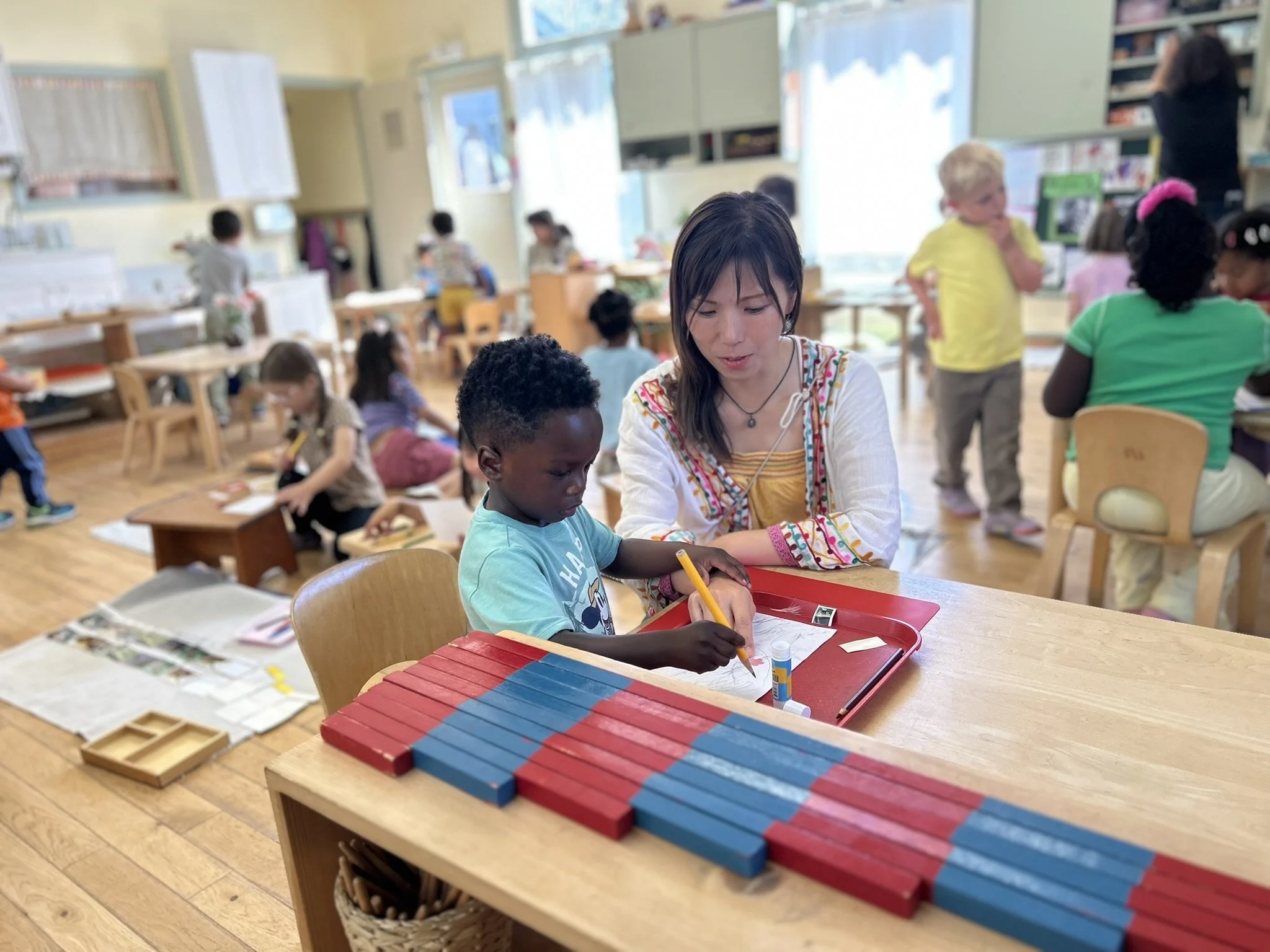
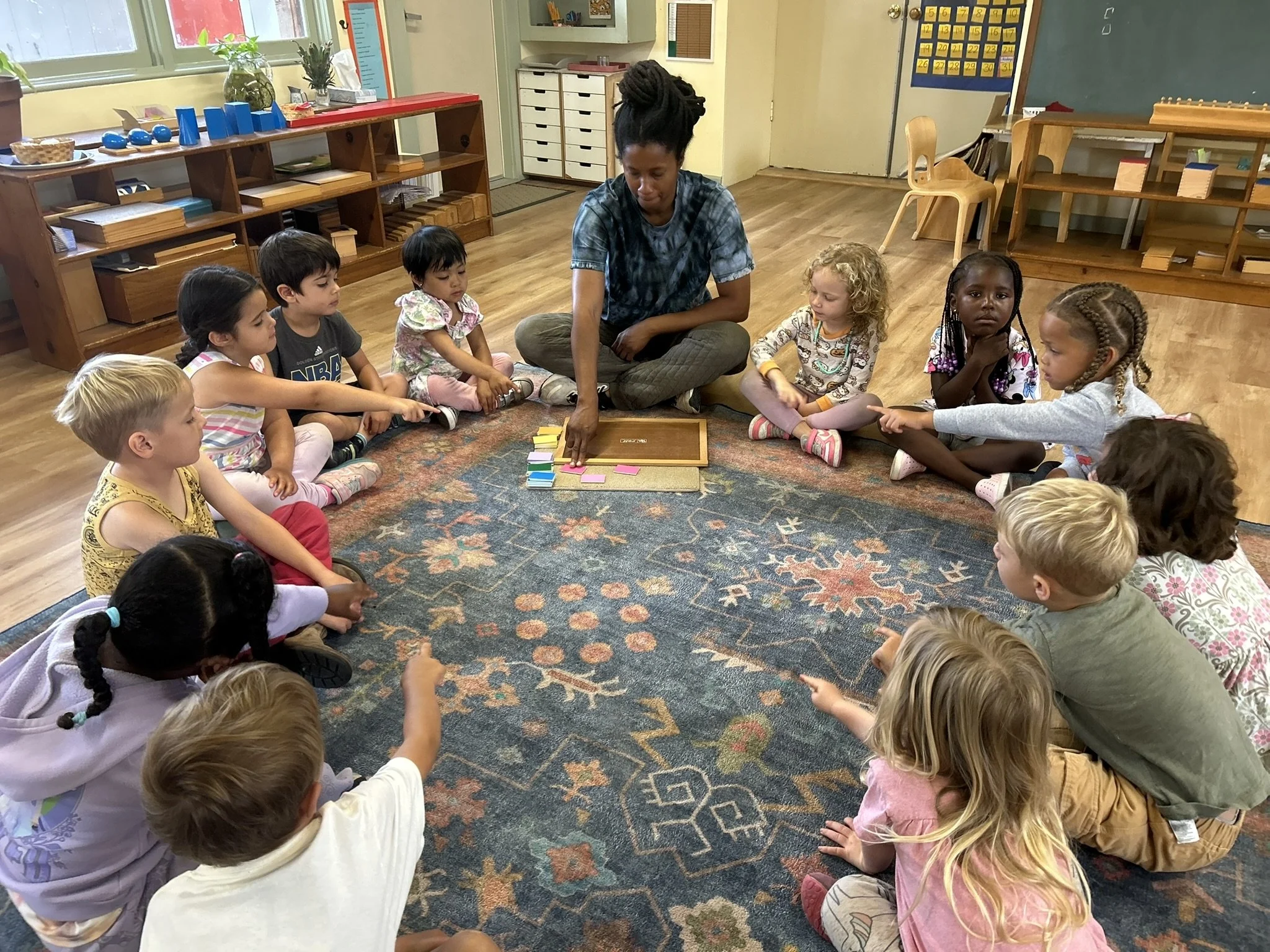
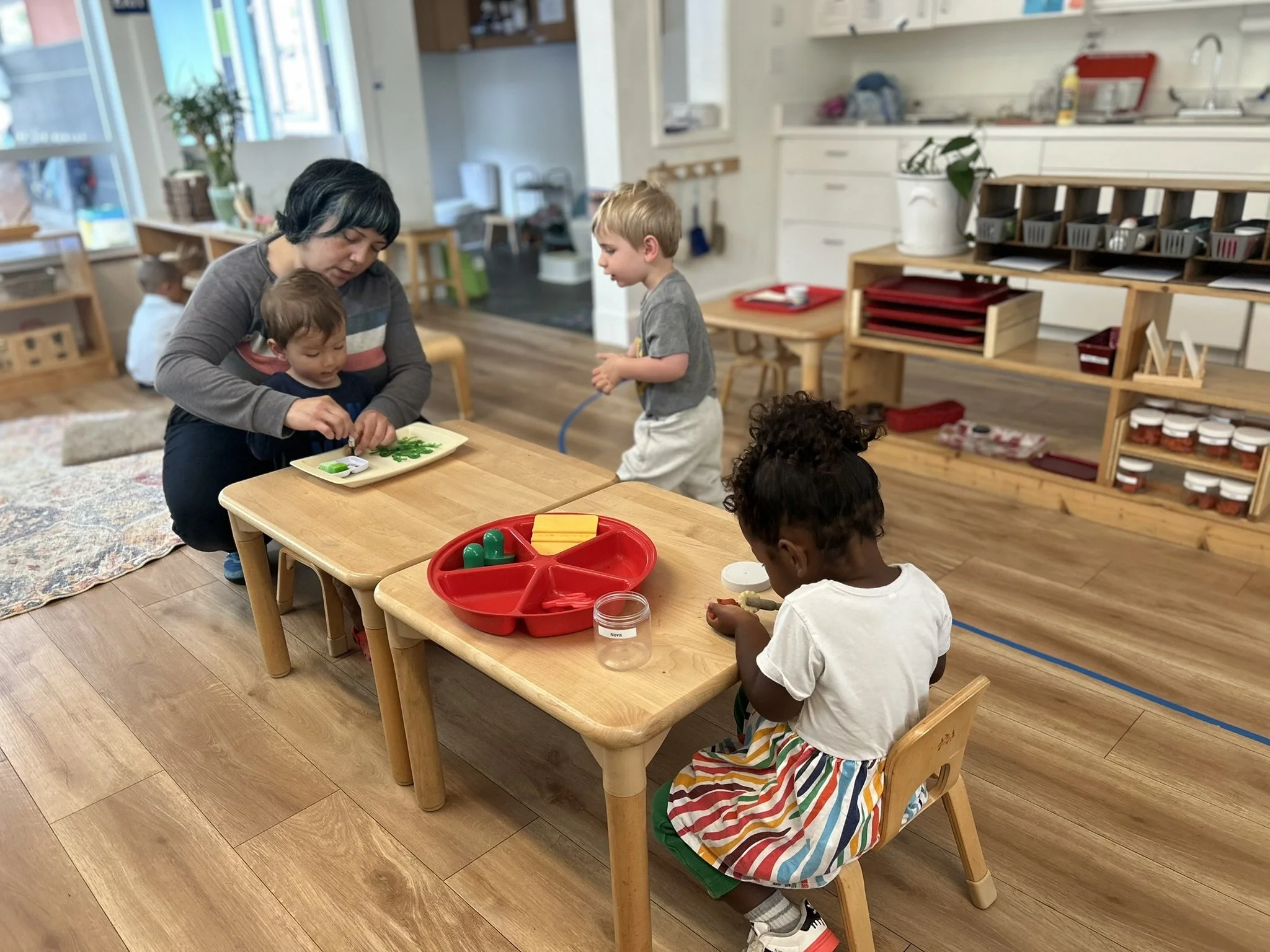
There is something extraordinary about watching a young child discover, I can do this myself. A child pours their own water, puts on their own shoes, resolves a conflict, concentrates on a task, makes a choice, tries again, and eventually experiences the quiet pride of mastery. In a Montessori environment, we have the privilege of witnessing these moments every day. Through a carefully prepared environment, meaningful choices, hands-on materials, real work, and time for repetition and concentration, children participate actively in their own development. We are nurturing not simply what children know, but who they are becoming: capable, curious, independent, compassionate, and confident learners.
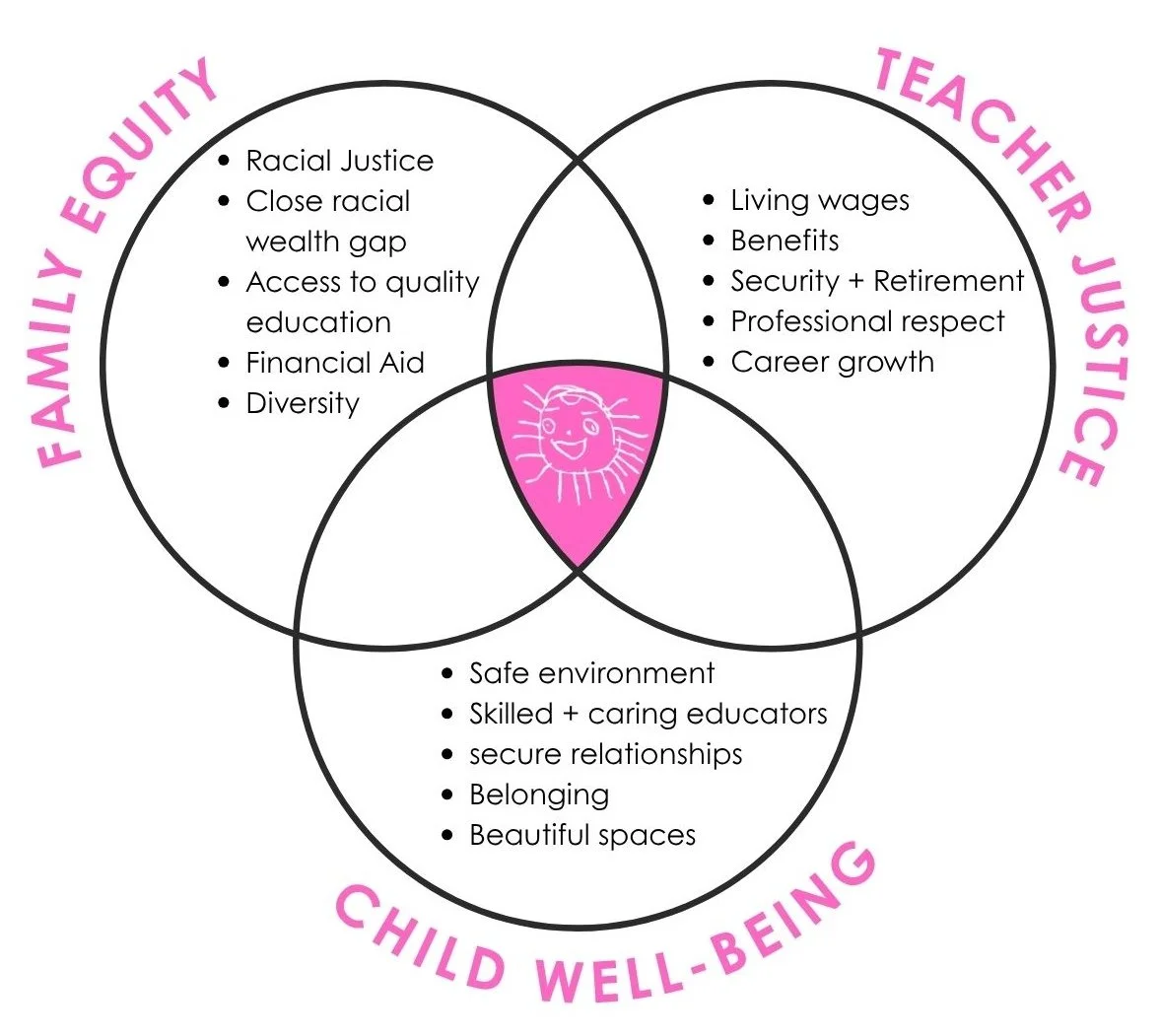
And this leads me to a question that deserves our collective attention: If the first years of a child's life are this consequential, what does it mean to honor the people entrusted with guiding those years? And, why has society historically invested so little in something so important?