
Hi Nia House Families,
If you've ever struggled to get your kids off screens and back into real life, you're not alone.
For many families, turning off a device can trigger meltdowns, tantrums, and power struggles. You give a reminder, they ignore it, you remind them again… and before you know it, you're yelling or negotiating for more time.
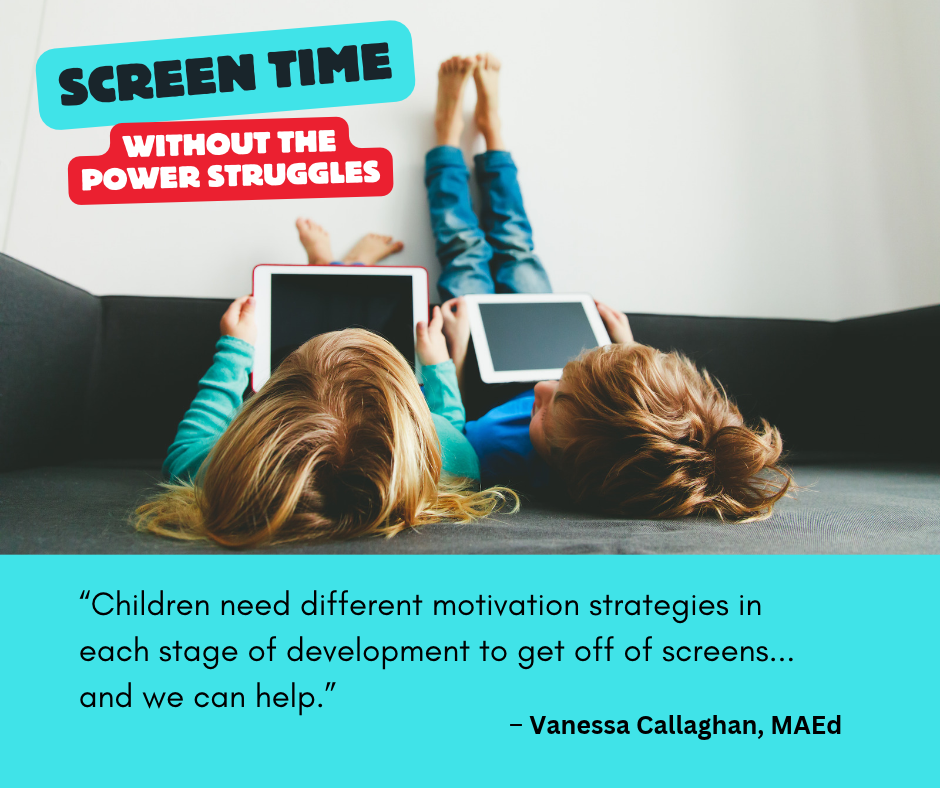
Here are 3 tips from Parent Empowerment Coach Vanessa Callaghan, MED, where she draws from over 20 years of working with families and her research on what motivates kids to be more engaged and collaborative problem-solvers.
1. Make It Interesting: Help Kids Crack the Code
Ever wonder why it's so hard to stop a game just before the next level or a show when another episode starts automatically? Many digital platforms are designed to keep us engaged.
Rather than making screens the enemy, help your child understand how these features work. Ask kids 5+ and teens:
What makes this game so hard to put down?
How does it encourage you to keep playing?
How can you outsmart it when it's time to stop?
Another trick: Plan something enjoyable for after screen time. An art project, a favorite book, or a hangout with friends can make the transition easier. For younger children, it’s especially helpful to set it up before you start screentime so they can get started right away.
2. Build Competence: Make It a Habit
Children need practice, not just reminders. A predictable routine can help screen-time transitions become easier over time.
Try these steps:
Agree on warnings: Decide together how your child will know screen time is nearly over.
Practice a countdown: Use 10, 5, and 1-minute reminders, or a timer for older kids.
Follow the same routine: Turn off the device, put it away, and move on to the next activity.
Practice together until the steps become familiar. The goal is to help your child manage the transition with less assistance from you.
3. Encourage Autonomy: Offer Choices Within Limits
Children are more motivated when they feel they have some control. The key is to offer choices about how they follow a boundary, not whether the boundary applies.
Instead of asking, "Do you want to turn it off?" try: "Would you like to turn it off yourself, or would you like me to help?". You can also let your child choose how they'll receive reminders or put their device away.
The limit stays in place, but your child gets a say in what happens next. This helps build responsibility and independence without turning every transition into a negotiation.
Watch the 20-minute mini-training for more practical strategies to help kids develop self-motivation: https://youtu.be/_rzUwPNrrUY
Explore Vanessa's podcast, The Calm Empowered Parent, starting with her Intrinsic Motivation episode: https://www.vanessacallaghan.com/single-post/motivating-kids-with-less-rewards-and-punishments-by-implementing-motivational-strategies
Take her Parenting Strengths Quiz to discover your strengths and areas for growth, and to apply for a complimentary coaching session: https://forms.gle/vJ7T3NRhqdvFYwAT7
