
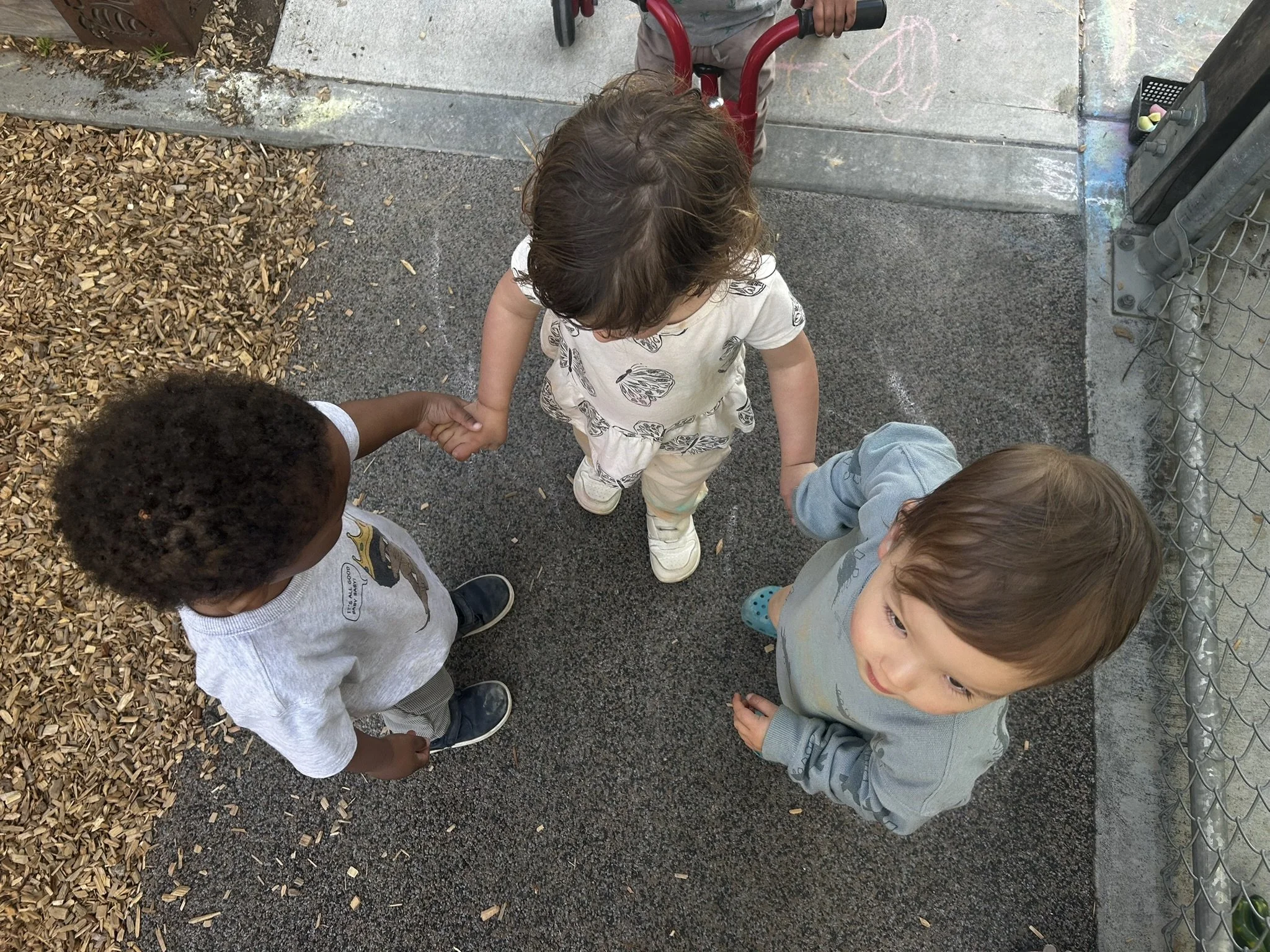
Nia House Parent Meeting on Inclusion, Belonging, and Social Development
At Nia House, we came together around a core Montessori idea: children learn through repetition, and that includes conflict. Moments of struggle, disagreement, and frustration are not interruptions to learning, rather they are part of the work of building social understanding.
Our Shared Approach
We support children as they learn to:
express needs
navigate disagreement
build respectful relationships
We recognize that every family views conflict differently. At Nia House, we approach it with intention. We see behavior as communication and focus on guiding children toward connection, independence, and belonging.
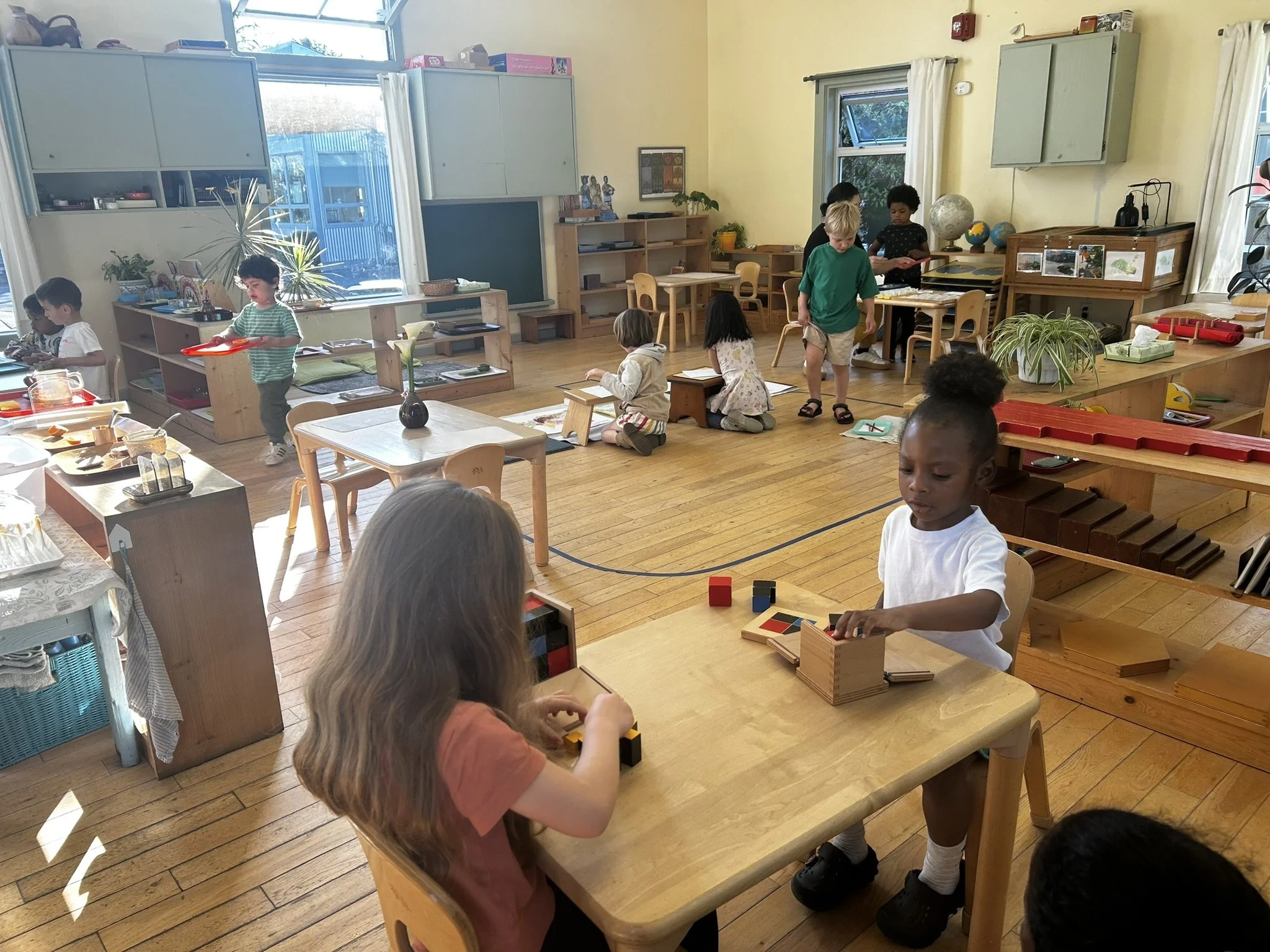
Inclusion Comes First
Our classrooms are intentionally diverse in age, ability, and language. With that comes both conflict and opportunity.
Inclusion means:
every child is welcomed and supported
differences are respected
families are active partners
In a Montessori environment, belonging is foundational. When children feel secure and included, they are more able to explore, connect, and take social risks. Through this, they develop empathy, flexibility, and confidence.
Understanding Behavior
Young children are in a sensitive period for developing:
impulse control
awareness of boundaries
social connection
Behaviors like hitting, biting, and name calling are developmentally expected. They do not define a child. They show that a child is still learning.
Montessori education emphasizes repetition and practice. Just as children repeat physical and academic skills, they must also repeat social interactions. With guidance, they begin to replace impulsive actions with communication.
We offer language such as:
“I don’t like that”
“Can I have a turn?”
“Are you okay?”
Conflict as Learning
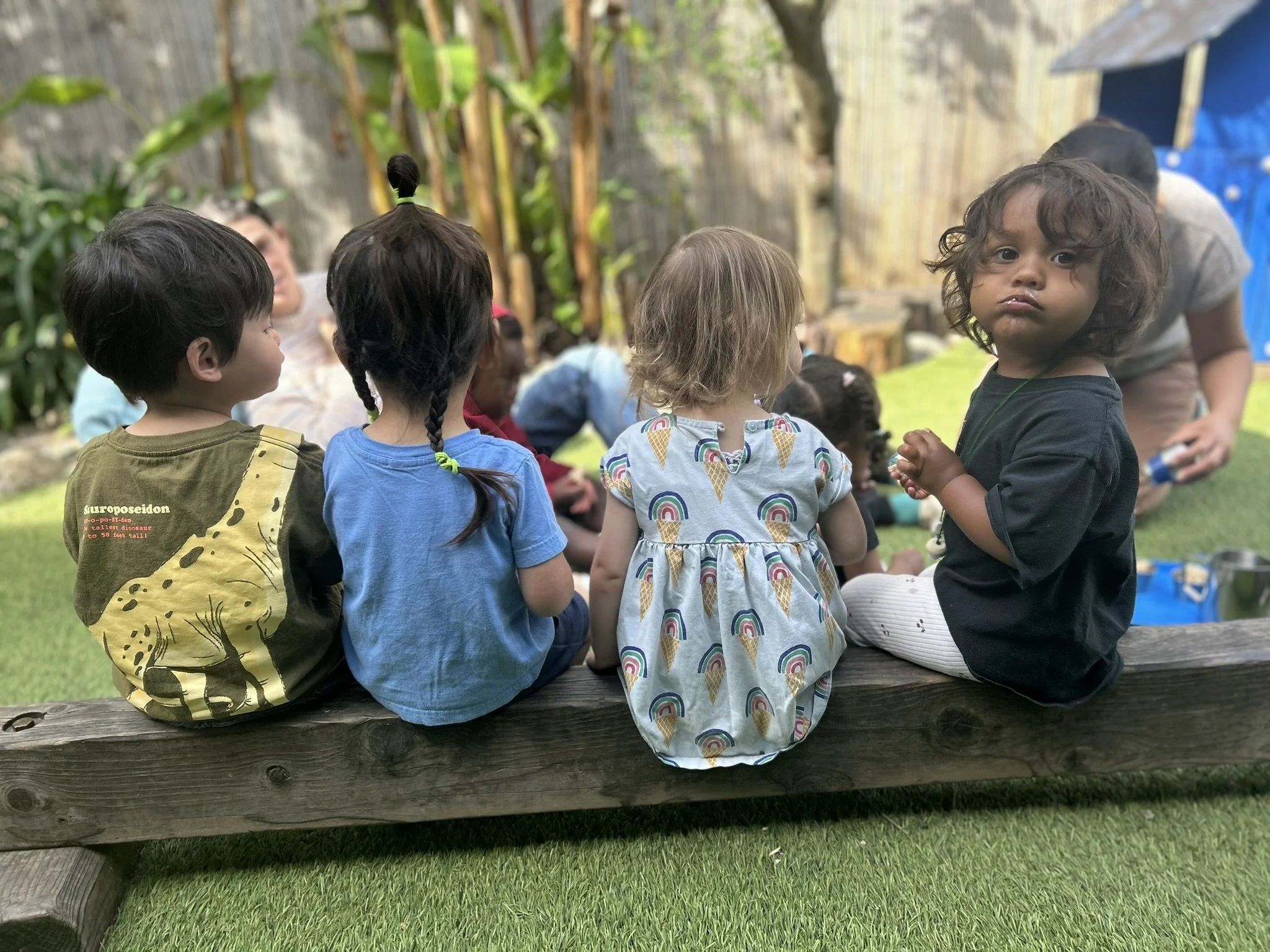
Conflict is a meaningful part of social development. It allows children to:
begin to understand another’s perspective
experience limits and boundaries
practice repair
Children are not born with these abilities. They develop them over time through real interactions, with support from adults and peers.
The Role of Adults
In a Montessori context, the adult is a guide. Children learn as much from what we do as what we say.
We aim to be calm, clear, and intentional. We model:
“I feel frustrated. I’m taking a breath.”
“I’m using this. You can have a turn next.”
“I need space.”
“I made a mistake. May I repair?”
Rather than controlling outcomes, we support children in understanding what happened and what they can try next time.
Repair and Resolution
We guide children through a simple process:
check in: “Are you okay?”
name what happened
express needs
offer care
consider next steps
